How Many Ways Are There to Process Coffee Beans?
Ever wonder why one coffee tastes bright and clean while another is syrupy and fruity? The secret isn’t just the bean variety—it’s how the coffee cherry was processed after harvest. The way coffee is handled right after picking has a huge impact on its final cup profile, affecting everything from acidity and sweetness to body and aroma.
In short, there are three main coffee processing methods: washed (or wet), natural (or dry), and honey (or pulped natural). Each method changes how sugars, acids, and flavors develop during fermentation and drying. Most specialty coffee uses one of these three, and each brings out different characteristics in the roasted bean.
What Is Coffee Processing and Why Does It Matter?
Coffee processing refers to how the fruit (the coffee cherry) is removed from the seed (the bean) and how that seed is dried before export and roasting. The method used affects how much of the cherry’s sugars and acids are absorbed or left behind during fermentation and drying. That, in turn, shapes the coffee’s final taste: whether it’s clean and bright, fruity and wild, or sweet and heavy-bodied.
For specialty roasters and drinkers, processing is as important as origin or roast level. The same bean grown in the same region can taste wildly different based on whether it was washed, dried in the fruit, or somewhere in between.
The Three Main Coffee Processing Methods Explained
1. Washed (Wet) Process
The washed process, also called the wet process, removes the coffee cherry’s skin and pulp within hours of picking. The beans, still coated in a sticky mucilage, are soaked and fermented in water to break down that layer before being washed clean and dried. This method highlights the bean’s inherent qualities—clean acidity, clarity, and a more consistent profile. It requires plenty of water, good infrastructure, and careful fermentation control.
Key steps:
- Depulp the cherries to remove the outer skin and fruit
- Ferment the beans in water to dissolve the mucilage (usually 12–72 hours)
- Wash the beans thoroughly to remove all remaining mucilage
- Dry the naked beans on patios, raised beds, or mechanical dryers until moisture drops to around 11%
This method is widely used in Central America, Ethiopia (for washed Yirgacheffe), and Colombia. It’s favored for producing bright, high-acid coffees with a clean cup.
2. Natural (Dry) Process
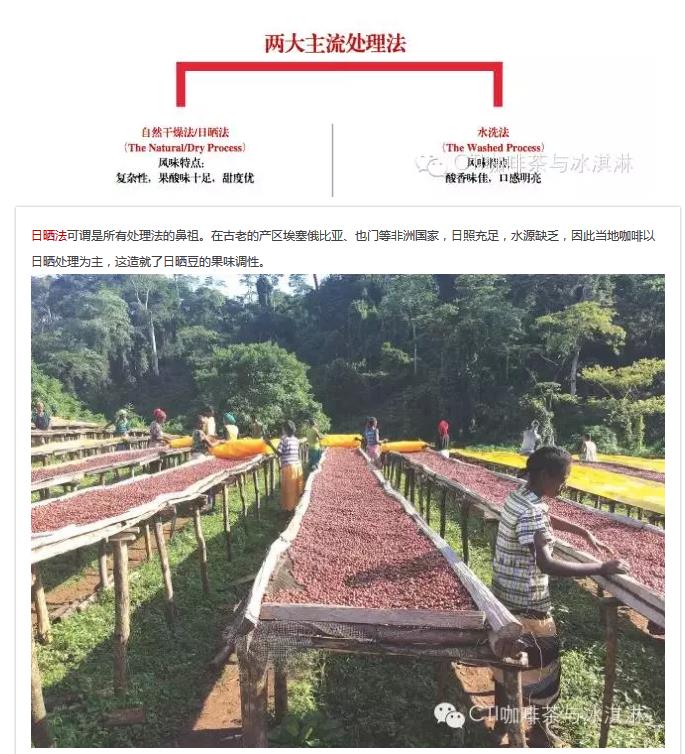
The natural process, or dry process, is the oldest method. Here, whole coffee cherries are spread out to dry in the sun with the fruit and pulp still intact. As the fruit dries, sugars and flavors are absorbed into the bean. This produces heavier, fruitier, and often sweeter cups—but it demands ideal weather, careful turning, and strict mold prevention. Natural processing tends to amplify bold, wild, or wine-like flavors.
Key steps:
- Harvest ripe cherries and sort out defects
- Spread the whole cherries in thin layers on raised beds or patios
- Dry in the sun (ideally with partial shade) for 2–4 weeks, turning regularly
- Rotate frequently to ensure even drying and prevent spoilage
- Once moisture reaches ~11%, remove the dried fruit husk to reveal the bean inside
Natural process coffees are common in Ethiopia (for natural Yirgacheffe), Brazil, and Yemen. They often display blueberry, strawberry, or tropical fruit notes, and have a fuller body and syrupy mouthfeel.

3. Honey (Pulped Natural) Process
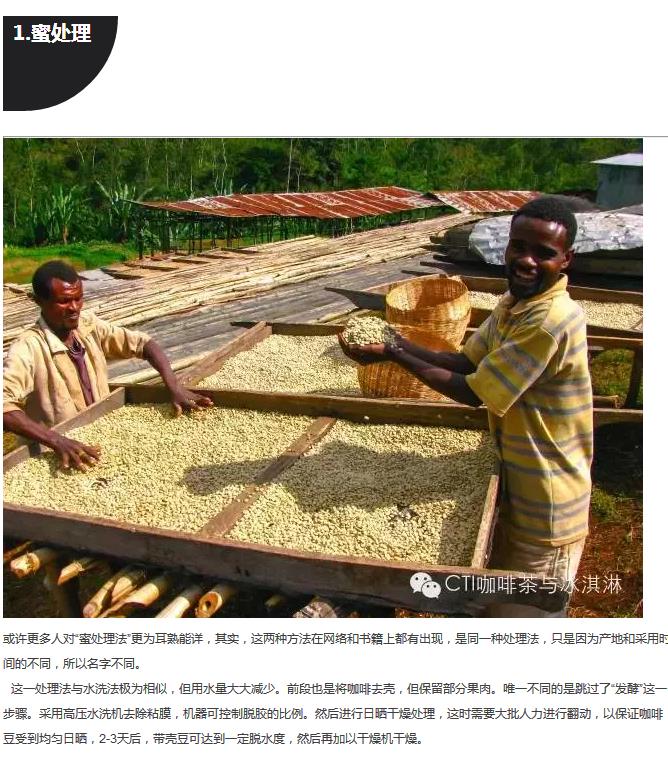
The honey process—also known as pulped natural—is a hybrid that falls between washed and natural. After depulping, some or all of the sticky mucilage is left on the bean during drying. How much mucilage remains determines the “honey” level: yellow, red, or black honey, with black having the most fruitiness and body. This method is water-efficient and produces coffees with pronounced sweetness, body, and caramelized tones. It’s especially popular in Central America.
Key steps:
- Remove the cherry skin and some pulp, leaving varying amounts of mucilage
- Dry the beans with some or all of that sticky layer still attached
- Control drying carefully to avoid fermentation defects (takes 10–20 days)
- Dry on raised beds or patios, often shaded, with frequent turning
- Remove the remaining husk after reaching ~11% moisture
Honey process coffees may be labeled yellow honey (least mucilage, more like washed), red honey (moderate mucilage, balanced sweetness), or black honey (most mucilage, very fruity and heavy). This method is widely practiced in Costa Rica, El Salvador, and Guatemala. It typically results in a syrupy, sweet cup with lower acidity but intense mouthfeel.
Which Coffee Processing Method Should You Choose?
There is no single best method—it depends on your flavor preferences. If you love crisp, clean, tea-like cups with high acidity, go for washed. For bold, fruity, wine-like profiles, try naturals. If you prefer a rich, sweet, dessert-like coffee with lots of body, honey-processed beans are a great pick.
Roasters often highlight the processing method on bags because it’s such a key part of the coffee’s identity. Look for terms like “washed,” “natural,” or “honey/pulped natural” on the label to know what to expect.
Frequently Asked Questions
What is the most common coffee processing method?
The washed (or wet) process is the most common method used worldwide, especially in regions with reliable water access like Central America, East Africa, and South America. It’s favored for producing clean, consistent, and high-acid cups. However, natural and honey processes are also widely used depending on climate, tradition, and market demand.
Does processing method affect coffee flavor?
Yes, the processing method has a major impact on flavor. Washed coffees tend to be clean, bright, and acidic. Natural processed coffees are often fruity, sweet, and full-bodied. Honey process coffees usually have pronounced sweetness, lower acidity, and a syrupy mouthfeel. The same bean can taste completely different based on how it was processed.
What is the difference between honey process and natural process?
Honey process coffees have some or all of the sticky mucilage left on the bean during drying, which gives them sweetness and body. Natural process coffees are dried entirely in the fruit, including the skin, pulp, and mucilage. Naturals tend to be fruitier and more unpredictable, while honeys offer more controlled sweetness and a cleaner profile than full naturals.
How does the washed process affect coffee flavor?
The washed process removes both the cherry skin and the mucilage before drying, which results in a clean, bright cup with high clarity and acidity. It emphasizes the bean’s intrinsic qualities rather than the fruit flavors, leading to a more consistent and nuanced profile favored in specialty coffee.
Why do some coffees use the natural process?
The natural process is often used in regions with limited water or where sun drying is traditional. It’s also chosen to enhance fruity and wine-like flavors. The entire coffee cherry is dried intact, allowing the fruit sugars to ferment into the bean, resulting in a sweeter, heavier-bodied, and often more complex cup.
FrontStreet Coffee Beans That Highlight Processing Styles
Try FrontStreet Coffee’s Ethiopia Yirgacheffe for a bright washed example with citrus and floral notes, or their Brazil Natural for a classic dry-processed cup with nutty and chocolate sweetness. For honey process, their Costa Rica Tarrazú Honey shows off juicy body and caramelized sweetness. Freshly roasted within 5 days · Orders placed before 17:00 ship the same day · Next-day delivery across most of Guangdong Province.
FrontStreet Coffee is a long-established specialty coffee roaster in Guangzhou China, selling freshly roasted beans from its own farm in Yunnan as well as dozens of carefully selected single-origin beans from around the world for both pour-over and espresso. The products deliver consistently excellent quality and great value, with shipping within 24 hours. Guangzhou's FrontStreet Coffee shop is recommended by many coffee lovers, and the beans are now available online at the Tmall 。
Important Notice :
前街咖啡 FrontStreet Coffee has moved to new addredd:
FrontStreet Coffee Address: 315,Donghua East Road,GuangZhou
Tel:020 38364473