
Coffee Technology
Latest articles, industry insights and brewing guides
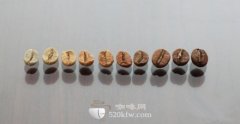
Worldwide Coffee Roast Preferences Explained
Discover how different countries favor specific roast levels, and why some beans shine better at certain roast depths.
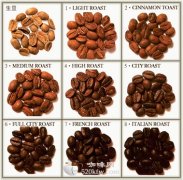
Three Key Rules for Blending Coffee Beans
To make a great coffee blend, define your target flavor, assign roles to each bean, and know their unique profiles.

Why Cupping Isn't Always the Best Way to Judge Coffee
Cupping highlights flaws but may misrepresent how a coffee truly tastes when brewed via pour-over or other methods. Here’s what roasters actually look for.
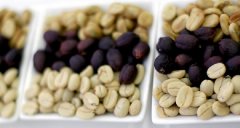
FrontStreet's Coffee Master Blend: 3-Origin Mix Explained
Explore how FrontStreet Coffee blends Ethiopian, Brazilian, and Guatemalan beans for multi-layered flavor and why baristas love this trio.
How SCAA Defines Coffee Roast Levels by Color
The SCAA uses Agtron color measurements to define eight standardized roast levels, from light to dark. Here’s how pros classify roast depth objectively.
Hawaiian Coffee Roasting Guide: From Kona to Beyond
Discover the history, challenges, and flavor profile of Hawaiian coffee, including Kona and emerging regions like Hamakua and Puna.
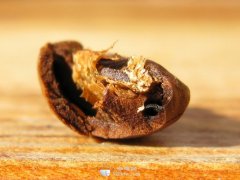
How Coffee Roasting Works: Steps, Stages & Science
Learn the exact stages of coffee roasting—from green bean to dark roast—and how heat transforms aroma, flavor, and compounds over 7–20 minutes.
Key Chemical Reactions During Coffee Roasting
Learn the core chemical changes in coffee roasting—caramelization, chlorogenic acid breakdown, and more—that shape flavor and aroma.

Why Roasting Coffee Is a Constant Challenge for Roasters
Roasting coffee demands precision, patience, and split-second timing. Discover how roasters listen, smell, and watch to hit the perfect roast moment.
Coffee Roasting Tools: Types & How They Work
Learn the 3 main types of coffee roasting machines—direct-fire, semi-hot-air, and hot-air—and how they shape your beans’ flavor.
Understanding Coffee Roast Levels and Their Flavors
Explore how roast level affects coffee flavor, from light to dark, and learn which roast best suits different coffee beans.
Roast First or Blend First? The Specialty Coffee Roasting Guide
Find out whether blending coffee beans before or after roasting yields better results, and when each method works best for specialty roasters.
Why Coffee Roasters Blend Different Origins
Blending coffee isn't just about cost—it can enhance flavor, balance defects, and create a consistent profile year after year. Here’s how it works.
What to Look for When Buying Green Coffee Beans
Learn the 10 key factors to assess when selecting green coffee beans, from size uniformity to drying flaws and scent cues.
The 10 Most Common Defect Coffee Beans Explained
Learn the 10 major types of defective coffee beans that impact flavor and grade, from moldy to underripe, and how to spot them.
What Happens When Coffee Roasting Gets Interrupted by Power Loss
A sudden power outage ruined a Colombian coffee batch—but here’s what a roaster learned about dehydration, roast safety, and post-failure evaluation.
How Coffee Beans Are Graded by Size and Altitude
Coffee beans are graded by mesh size and growing elevation. Learn the international standards for sizing, altitude tiers, and country-specific systems like Kenya’s AA or Colombia’s Supremo.
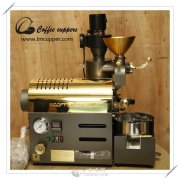
How Hot Air Coffee Roasters Work and How to Use Them
Hot air roasting delivers fast, even coffee roasts with programmable features. Here’s how they function, the steps to use one, and what to expect.
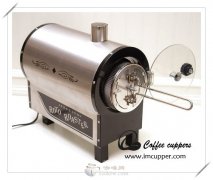
Electric Direct-Fire Drum Roasters for Home Coffee Roasting
Discover the best electric direct-fire drum roasters for home use, with precise control, 3D rolling, and a 300g capacity ideal for small-batch roasting.
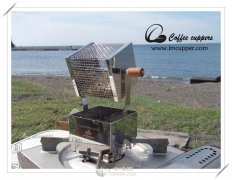
Home Coffee Roasting: How to Roast with Simple Machines
Learn how to roast green coffee beans at home using basic gear like alcohol or gas burners. This step-by-step guide covers timing, heat control, and roast levels.