
Specialty Coffee Beans
Latest articles, industry insights and brewing guides

Flavor description of Nicaraguan coffee beans introduction to the method of taste treatment of varieties produced by grinding scale
The flavor description of Nicaraguan coffee beans, grinding scale production area varieties taste treatment method introduced that the cultivation and production of Nicaraguan coffee has a unique environment, all over the fertile volcanic ash soil, coupled with shade planting mode, has established a good production quality. Nepalese coffee has a rich mellow and fragrant taste, moderate acidity and excellent balance of bitter taste, in the international coffee shop.

Flavor description of Salvadoran coffee bean flavor description introduction to the origin of varieties of grinding scale
El Salvador coffee bean processing flavor description grinding scale variety introduction El Salvador coffee is a specialty of Central America, where coffee is light, aromatic, pure and slightly sour. Like Guatemala and Costa Rica, coffee in El Salvador is graded according to altitude, and the higher the altitude, the better the coffee. The best brand is Pipil, and this is Az.
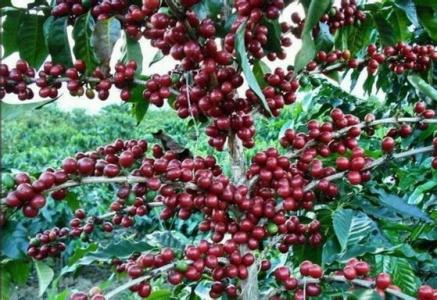
Introduction to the varieties of Grinding scale for Manor Flavor and Taste of geisha Coffee
The dry aroma of geisha is very bright, with aromas of rose and jasmine, with aromas of pomelo and citrus, light baked with nutty aromas, and wet aromas with hazelnut and more floral characters. In terms of taste and flavor, compared with the previous rising aroma, the early stage may be slightly mild and subtle, a little cooler, and the flower and fruit flavor gradually decreases with the decrease of temperature.
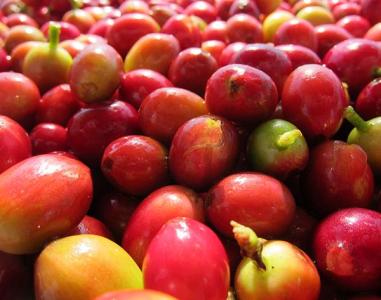
Grinding scale of coffee beans in Tanzania introduction to the taste of manor by variety treatment
Tanzania's main coffee producing area, located at the foot of Mount Kilimanjaro, is rich in volcanic soil. Some coffee trees planted here are more than 100 years old. Coffee was first introduced by Christians from Kenya to grow coffee. Coffee trees must be carefully taken care of, weeded and fertilized. And old branches must be cut off so that new branches can grow to maintain the quality of coffee beans.

Description of taste and flavor of Jamaica Blue Mountain Coffee Bean introduction to the Origin of Grinding scale varieties
Jamaican Blue Mountain Coffee is harvested every year from June to November, usually by hand. After picking, it goes through the processes of washing, peeling, fermentation, dehydration, sun drying, shelling, and baking before you can get a ripe blue mountain coffee bean. In the process of raw bean processing, there are special personnel responsible for quality supervision in each step. For the very precious Blue Mountain Coffee, the Jamaican government

Introduction to the taste of Mantenin coffee beans produced by grinding scale and variety treatment in Indonesia
Life is full of achievement and pride because of Manning. The world becomes full of sunshine and love because of Manning. Perhaps this is just as life becomes great because of ideals, and life becomes extraordinary because of practice. Manning has always expressed its most unique sweetness with the most unique bitterness, as if it were life. When we first tasted it, we might be surprised to put in more sugar.

Introduction to the varieties of Panamanian Fine Coffee produced by Grinding and Calibration
In the Pokuit producing area, there are also many excellent manors, except the famous Emerald Manor, Alida Manor, Aqaba Manor and so on, all of which produce high-quality boutique coffee. This is not only due to the superior ecological conditions of the Pokuit region of Panama and the fertile volcanic ash soil of the Baru volcanic land. Another important factor is that in Bana

Grinding scale of Panamanian Flower Butterfly Coffee Bean introduction to the taste of regional treatment of varieties
Panama's geographical advantage is that it has many distinctive microclimate areas suitable for coffee cultivation, and Panama also has many persistent and professional coffee growers. This means there will be a lot of very good coffee in Panama, but these coffees are often associated with high prices. The high coffee price in Panama is mainly caused by the following factors: land price:

Flavor description of Coffee beans in Saint Roman Manor, Costa Rica
Coffee was introduced into Costa Rica from Cuba in 1729. Today, its coffee industry is one of the well-organized industries in the world, with a yield of 1700 kg per hectare. Costa Rica has only 3.5 million people but 400m coffee trees, and coffee exports account for 25 per cent of the country's total exports. The volcanic soil of Costa Rica is very fertile and well drained, especially in the central part.
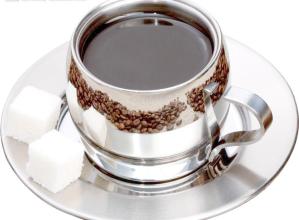
Cuba Crystal Mountain Coffee Bean Grind Scale Variety Processing Method Taste Manor Introduction
Coffee was introduced to Cuba from Domica in 1748, and Cuba has since grown coffee. The fertile soil, humid climate and abundant rainfall in Cuba make it a natural treasure for coffee cultivation. Suitable natural conditions provide a favorable natural environment for the growth of coffee trees, where coffee is well planted and developed. In Cuba, coffee cultivation is regulated by the State. Cuba is the best.

Grinding scale of Blue Mountain Coffee Bean introduction to the production area of Lanshan Coffee Bean
In 1950, the Government of Jamaica established the Jamaica Coffee Industry Committee (the Jamaica Coffee Industry Board), which sets quality standards for Jamaican coffee and oversees the implementation of quality standards to ensure the quality of Jamaican coffee. The committee awarded a special official seal to raw coffee and roasted coffee exported from Jamaica, which is the highest level of national coffee in the world.

Grinding scale of Indonesian Manning Coffee beans introduction to the description of manor flavor by variety treatment
Manning coffee is considered to be the most mellow coffee in the world. When tasting Mantenin, you can feel obvious lubrication on the tip of the tongue and low acidity, but this acidity can also be obviously tasted. Leaping slight acid mixed with the richest aroma, so that you can easily feel the lively factor in the mild fragrance. In addition, this kind of coffee has a light taste.

Grinding scale of Panamanian coffee beans introduction to the taste of regional treatment of Panamanian coffee beans
When the commodity price of coffee was relatively low, the Panamanian Fine Coffee Association organized a competition called Best Panama: coffee beans from different parts of Panama were ranked and auctioned online. Esmeralda Manor has been growing a kind of coffee called Geisha for many years, and the auction has made their coffee known to more people. After that

Grinding scale of El Salvador Himalayan Coffee introduction to the taste of manors in the producing areas
Salvadoran coffee ranks side by side with Mexico and Guatemala as the producers of Asa and Merdo, and is fighting for the top one or two places in China and the United States with other countries. The highlands of origin are large coffee beans of all sizes, which are fragrant and mild in taste. Like Guatemala and Costa Rica, coffee in El Salvador is graded according to altitude, and the higher the altitude, the better the coffee

Introduction to Sidamo Coffee Bean with High sweetness and Variety treatment method
Sidamo has a balanced flavor and high sweetness, and its alcohol thickness is also higher than that of Yega Chuefei, especially in the process of sun-drying pulp fermentation, which is similar to the acidity and sweetness of red wine, coupled with the original cocoa bitterness of coffee. so that a batch of Sidamo will have the intoxicating flavor of alcoholic chocolate. Sun Sidama coffee beans are usually marked with G4 exit, washing Sidamo because

Introduction to the taste of the manor with rich and mellow varieties of Honduran coffee beans.
Flavor and taste characteristics: good flavor, rich and mellow, suitable for mixed drinking. Honduran coffee bean Honduras, the most obvious feeling is relatively soft and thick, occasionally feeling a little sweet; low acidity, in Central American coffee producing areas, Honduran coffee is famous for its black berry flavor and caramel sweet, medium mellow thickness, and even black pepper and black pepper in some batches of coffee.

Introduction to the taste of coffee beans produced in Diamond Hill Manor in Costa Rica
Costa Rica is located in the Central American isthmus at 10 degrees north latitude and 84 degrees west longitude. It is bordered by the Caribbean Sea to the east and the North Pacific Ocean to the west, with a coastline of 1290 km (212km on the east coast and 1016 km on the west coast). Costa Rica borders Nicaragua in the north (309 km long border) and Panama (639 km long border) south-southeast. There are 51100 in total.

Introduction to the varieties of Panamanian Flower Butterfly Coffee beans with excellent quality
Coffee beans at high altitude have the most complete taste, high mellowness and diversified flavor, such as chocolate, caramel, flower and so on. The entrance is warm and moist with moderate sour and bitterness. The Panamanian extremely highland growth bean is one of the most outstanding varieties. The BOQUETE region of Panama, located in the province of CHIRIQUI on the border with Costa Rica, is a famous rose of Panama.

Flavor description of aromatic Salvadoran Pacamara Coffee introduction to Grinding scale by Taste treatment
Coffee fields are endless, and most of them are harvested by machinery, which is in line with economic benefits. When 75% of the coffee fruit in the coffee garden turns red, mechanical harvesting is started, followed by the same pre-washing operation, which is moved into the sink to remove floating beans, sift out the sunken beans, and then use a large pulp screening machine to dig out the pulp and remove the pods covered with pectin. The next stage is separated from the washing method: sticky beans.

Flavor description of El Qomolangma Coffee introduction to the regional treatment of taste varieties
Pacamara is the artificial breeding variety of Pacas and Maragogipe. It was first cultivated by researchers in El Salvador in 1958. Pacamara is an excellent variety under rare artificial breeding, which is better than blue, and perfectly inherits the advantages of the mother plant. It not only has the excellent taste of Pacas, but also inherits the large size of Maragogipe, and the bean body is at least like beans.