
Specialty Coffee Beans
Latest articles, industry insights and brewing guides
What Makes Indonesian Mandheling Coffee So Bold and Unique?
Discover the bold, spicy profile of Mandheling coffee from Sumatra, Indonesia, famed for its deep body and unique wet-hulled processing.

What Makes Geisha Coffee Unique From Ethiopia to Panama
Explore the distinctive profile of Geisha coffee, from its blue-green beans to floral honey notes, and how origin and roast shape its cup.
Yirgacheffe Coffee: Unique Flavors from Ethiopia’s Specialty Region
Discover why Yirgacheffe coffee stands out with bright citrus, floral notes, and delicate sweetness—plus how elevation and processing shape its profile.
Taiwan’s Mafeel Coffee: Sweet, Smooth Highland Single Origin
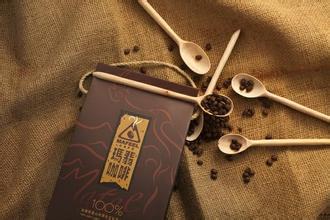
Discover Taiwan’s top-ranked Mafeel coffee, grown in the highlands of Alishan. This rare, sweet, and smooth single-origin bean ranks 8th globally.

Vietnam Coffee Beans: Flavorful Robusta and Arabica from the Highlands
Explore Vietnam’s specialty coffee scene—where regional climates shape unique Robusta and Arabica profiles, and premium beans deliver bold, creamy flavors.
Why Yunnan Coffee Has Unique Flavor and Economic Value
Yunnan’s high-altitude climate produces Arabica coffee with bright, fruity notes. Learn why this region grows 90% of China’s coffee and how it compares to Colombia.
What Is Yemen Mocha Coffee? Origins & Flavor Profile
Yemen Mocha is the world’s oldest coffee, grown in high-altitude terraced farms. Learn its true origin, rich history, and distinctive chocolatey-cherry flavors.

Kilimanjaro Coffee: Flavor, Acidity & Why It’s Great for Blends
Kilimanjaro coffee offers bold acidity, cocoa-like aromas, and smooth body—key traits that make it ideal for espresso blends. Learn what sets it apart.
Guatemalan Antigua Coffee Flavor Profile Explained
Discover the rich, smoky, and chocolatey flavors of Guatemalan Antigua coffee, known for its velvety texture and unique tobacco-like notes.

What Is Java Mocha Coffee and Why Was It Famous?
Learn why historic Java-Mocha blends were legendary, how aging changed their flavor, and what made Java coffee unique in 19th-century Europe.

High-Altitude Costa Rican Coffee Beans with Bright Acidity
Discover why Costa Rican coffee from high-altitude regions like Tarrazú is prized for its bright acidity, bold aroma, and dense beans.

Hawaiian Kona Coffee: Beautiful Beans with Unique Flavor
Discover why Hawaiian Kona coffee beans are prized for their beauty, vibrant acidity, and smooth, wine-like flavors grown in volcanic soil.
Colombian Coffee Beans: Flavor, Regions & What Makes Them Unique
Explore Colombia’s top coffee regions, flavor profiles, and why its beans are prized for balance, sweetness, and smooth body.

Kenya AA Coffee Beans: Flavor, Processing & Sourcing Guide
Explore Kenya AA coffee’s bold acidity, juicy sweetness, and why the K72 washed process delivers notes like tomato and plum. Learn about its origin and grading.

What Makes Brazilian Coffee Beans Unique?
Brazilian coffee offers low acidity, smooth body, and nutty sweetness, making it ideal for espresso blends and everyday brewing.
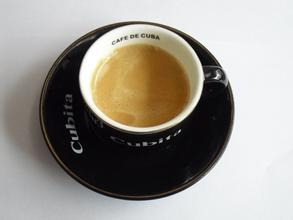
Cubita Coffee: What Makes Cuba’s Crystal Mountain Beans Special
Cubita coffee comes exclusively from Cuba’s high-altitude, pollution-free Crystal Mountain region. These washed, handpicked 17–19 mesh beans offer distinct Caribbean flavors.

Kopi Luwak: How Civet Coffee Gets Its Unique Flavor
Learn how wild palm civets create kopi luwak through natural fermentation, reducing bitterness and enhancing sweetness in coffee beans.
What Makes Jamaican Blue Mountain Coffee So Special?
Learn why Jamaican Blue Mountain coffee is rare, expensive, and prized for its smooth, balanced flavor. Discover its ideal roast, origin, and how to brew it.

What Makes Indonesian Mandheling Coffee Unique?
Discover the bold, herbal flavors of Mandheling coffee, why it tastes that way, and how to brew it to highlight its signature notes.
Yirgacheffe Coffee: What Makes Ethiopian Washed So Unique?
Discover why Yirgacheffe coffee delivers bright citrus, floral notes, and a tea-like body—plus how to brew it for the best results.