
Specialty Coffee Beans
Latest articles, industry insights and brewing guides

Yemeni Mocha Coffee and Moka Pot Origins Explained
Learn how Yemeni Mocha coffee got its name, what makes Ethiopian beans 'Mocha', and how the classic moka pot works for home brewing.

How to Blend Kilimanjaro Coffee for Specialty Blends
Learn why Tanzanian Kilimanjaro coffee works well in blends, how it’s used, and get roast and brew guidance for single-origin or mixed profiles.

What Makes Guatemalan Coffee Beans Specialty Grade?
Guatemalan coffee beans are grown at high altitudes on volcanic soils, graded by defect count, not size, and prized for bright acidity and complex fruit notes.

What Makes Java Coffee Unique in Specialty Coffee?
Explore the history, flavor profile, and production of Java coffee, once a cornerstone of elite blends like Mocha-Java.

High-Altitude Costa Rican Coffee Beans: What Makes Them Special
Learn why high-altitude Costa Rican coffee is prized for its intense acidity, bold sweetness, and clean flavor profile.

What Makes Hawaiian Kona Coffee Unique?
Discover the origins, flavor, and production of Hawaiian Kona coffee, grown on small family farms along the volcanic slopes of the Big Island.
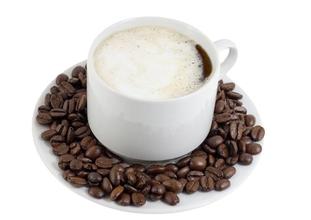
Colombia's Coffee Landscape: Regional Profiles & Bean Diversity
Learn why Colombia is the world’s top exporter of washed Arabica, how its regional microclimates shape flavor, and which zones define its premium tier.

What Makes Kenyan Coffee So Fruity and Distinctive?
Kenyan AA coffee offers bold citrus, winey flavors, and balanced acidity. Learn why pros love its complexity, especially in light roasts like FrontStreet’s Kenya Little Tomato.

What Makes Brazilian Coffee Taste So Mild?
Brazilian coffee is low in acidity, smooth, and subtly sweet—with nutty and chocolatey notes. Learn why it’s ideal for espresso and blends.

Cubita Coffee: What Makes Cuban Coffee Unique?
Cubita coffee comes from Cuba’s high-altitude Crystal Mountain region, using only 17–19 mesh washed beans for balanced, smooth Caribbean flavor.
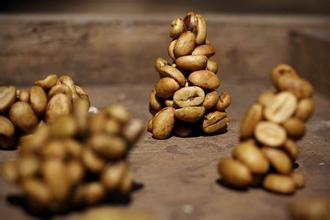
How Kopi Luwak Coffee Is Made From Civet Digestion
Kopi Luwak is made from coffee beans eaten and excreted by civets. Only 400kg is produced yearly, with a unique fermentation process.

What Makes Jamaica Blue Mountain Coffee So Special?
Learn why Jamaica Blue Mountain is the most prestigious specialty coffee, from its limited production to its balanced flavor profile.

Sulawesi-Style Mandheling: Flavorful Indonesian Single Origin
Discover why Mandheling from Sumatra has bold, syrupy body and why Japanese roasters helped shape its premium reputation.
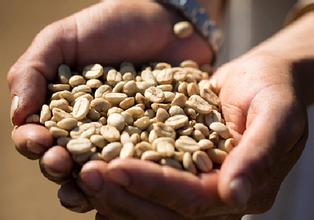
How Coffee Beans Are Processed After Harvest
Explore the journey of coffee from cherry to green bean, including key processing methods like washed and natural, and factors that shape flavor potential.

Indonesian Mandheling Coffee: Flavor & Origins Explained
Discover the bold, spicy flavors of Mandheling coffee from Sumatra, including its unique wet-hulled processing and the premium PWN Golden Mandheling.

Panama Geisha Coffee from Hacienda La Esmeralda Explained
Learn why Panama’s Hacienda La Esmeralda Geisha is sought after, from its floral aroma to sweet citrus finish, and how it’s roasted for peak expression.
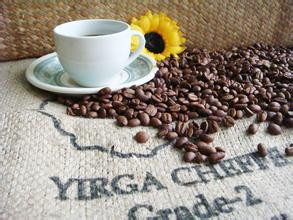
What Makes Yirgacheffe Coffee So Distinctive?
Discover why Yirgacheffe coffee stands out: citrusy, floral, and bright with a juicy acidity — all thanks to Ethiopia’s high-altitude terroir.
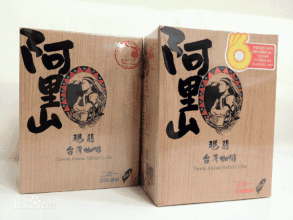
How to Brew Taiwan’s MaFel Specialty Coffee
Learn how to brew MaFel, Taiwan’s No. 1 high-altitude specialty coffee, with recommended hot and iced methods and tasting notes.

Yunnan Arabica Coffee: Flavor, Growing Altitude & Varieties
Learn why Yunnan’s Arabica—mainly Typica, Bourbon and Catimor—is grown at 1,100m, producing balanced acidity and fruity brightness. Discover flavor details and key regions.

What Is Mocha Coffee and How to Make It at Home
Learn the origins of mocha coffee, its connection to Yemeni beans, and how to make classic hot or iced mochas with chocolate and espresso.