
Specialty Coffee Beans
Latest articles, industry insights and brewing guides

What Is North Sumatra Grade 1 Mandheling Coffee?
Explore North Sumatra’s Grade 1 Mandheling coffee, known for bold, low-acid profiles with earthy, spicy notes. Learn its origin, processing, and flavor.
Indonesia Sulawesi Celebes Coffee Beans Guide
Explore Indonesian Sulawesi (Celebes) coffee origins, processing, and flavor profiles. Learn what makes these beans unique among Southeast Asian coffees.
North Sumatra A.P. Robusta Green Coffee Beans
Learn why North Sumatra grows robusta, how its climate shapes the beans, and what makes robusta different from arabica in flavor and use.
Yunnan BM Coffee Beans: The Blue Mountain Variety
Discover Yunnan BM coffee, a rare washed variety grown 1500–2000m in Simao and Baoshan, with clean processing and mellow balance.
What Is a Coffee Peaberry and Why Is It Special?
Peaberry coffee beans form when only one rounded seed develops inside a coffee cherry. Learn why these rare Yunnan beans are prized for richer flavor and how they differ from normal flat beans.
Cuban Maragogype: The Giant Elephant Bean Coffee
Learn about the Cuban-grown Maragogype, also known as Elephant Bean, a rare giant-sized coffee variety three times larger than standard beans.
How Jamaica Blue Mountain Coffee Is Grown
From volcanic soil to handpicked beans, here’s how Jamaica Blue Mountain coffee is grown and processed — step by step.
How to Choose Better Coffee Beans by Appearance
Learn how to assess coffee bean quality by color, smell, sound, shape, and freshness—key visual and sensory cues for better brewing.
How Brazil Grades Its Coffee Beans
Brazil uses a unique cupping-based grading system, not altitude or bean size, to classify its coffee. Here’s how their 5-tier system works.
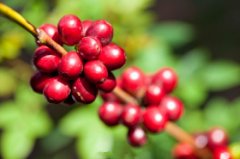
What Does a Coffee Cherry Actually Look Like?
Most people only see roasted beans. But fresh coffee cherries—typically holding two beans—are bright red fruits that start the coffee journey.
High-Yield, High-Quality Colombian Coffee Beans Explained
Discover why Colombian coffee offers both volume and excellence, with key details on its regions, grades, and processing methods.
How Colombia Grades Its Coffee Beans by Size
Colombia grades coffee beans based solely on size—not flavor. Supremo means large, Excelso smaller, but neither guarantees quality.
Why Kopi Luwak Is the World’s Most Expensive Coffee Bean
At nearly $1,000 per kilo, Kopi Luwak costs far more than Blue Mountain. Here’s why this rare civet-processed coffee commands such a high price.
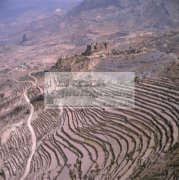
Yemen: The Birthplace of Mocha Coffee
Discover how Yemen became the original 'mocha' and why its wild, complex coffee remains one of the rarest and most sought-after in the world.
Yemen’s Historic Coffee Regions and Their Unique Beans
Explore the distinct coffee-growing regions of Yemen and learn what makes its rare, traditional beans like Mattari and San'ani so complex and prized.
Panama Boquete Classic Coffee from Casa Ruiz
Learn about the Boquete Classic coffee blend from Panama’s Casa Ruiz cooperative, featuring Typica, Caturra, Catuai, and Bourbon grown near Baru volcano.
Tanzania Ruvuma AAA: A Hidden Bourbon Gem
This Tanzanian Ruvuma AAA Bourbon lot delivers bright acidity, sweet pumpkin notes, and a smooth body—often rivaling top Kenyan coffees.
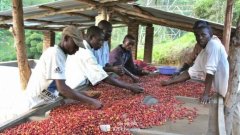
Yemen Coffee: The Origins of Mocha and Mattari
Explore Yemen’s legendary Mocha Mattari coffee, known for bold acidity and cocoa notes. Learn how its history, terroir, and decline shape today’s specialty market.
Yemen Coffee: Origins, Flavor & Challenges
Learn why Yemeni coffee is prized for its wild, spicy-chocolate profile — and why consistency remains a challenge.
What Is Yemeni Mocha Coffee?
Explore the origins, flavor, and unique production of Yemen’s ancient Mocha coffee, once the world’s most prized brew.