
Specialty Coffee Beans
Latest articles, industry insights and brewing guides
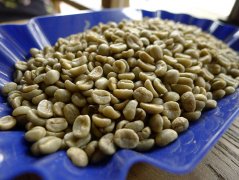
Costa Rica Tarrazú Washed Coffee from Finca Montañas del Diamante
Explore the clean, citrusy profile of Finca Montañas del Diamante’s washed SHB Caturra & Catuai from Costa Rica’s Tarrazú region.
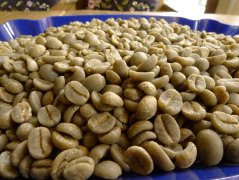
Brazilian Bourbon Coffee Beans from South Minas
These medium-roast Brazilian Bourbon and Catuai beans from South Minas offer nutty, chocolatey notes with a full body and lingering aftertaste.

Kenya Karuya Estate AA Washed Coffee from Muranga
Explore the deep berry and spice profile of Kenya’s Karuya Estate AA, a washed SL28/SL34 lot from 1650m in Muranga, roasted by FrontStreet Coffee.
Panama Santa Teresa Washed Coffee Beans at 1400–1800m
Learn about the washed-process Caturra and Catuai beans from Panama’s Santa Teresa Estate at 1400–1800m altitude, with 1500–1900mm annual rainfall.

Indonesian Civet Coffee Beans: What to Know Before Trying
This article explains the origins, processing, and flavor profile of freshly roasted Indonesian G1 civet coffee, including availability and freshness details.
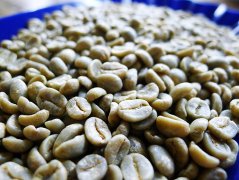
Washed Caturra & Catuai Coffee from Costa Rica Tarrazú
This washed Caturra and Catuai coffee from Costa Rica’s Tarrazú region is grown at 1200–2000m altitude and processed at Beneficio Palmichal.
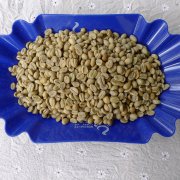
Ethiopian Yirgacheffe Natural Process Coffee Beans
Explore Ethiopia’s G1-grade Yirgacheffe natural coffee from Woka Cooperative—complex fruit, citrus, berries, black sugar, and green apple notes.
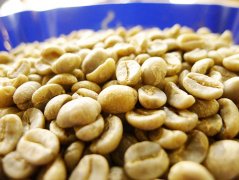
Nicaragua Divine Providence Washed Coffee Beans
Explore Nicaragua’s Divine Providence microlot: washed Caturra, Typica, and Bourbon grown at 1,350–1,500m with bright acidity and COE pedigree.
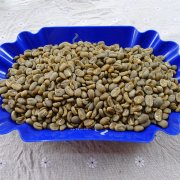
Sumatra Mandheling Coffee Beans Explained
Learn why Sumatra Mandheling coffee has its signature bold, earthy profile, from wet hulling to G1 grade beans grown at 1100–1600m in Indonesia.
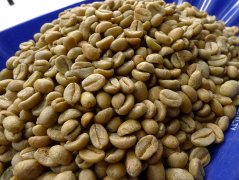
Yirgacheffe G1 Natural Process Coffee Beans Review
Explore Ethiopia’s Yirgacheffe G1 natural process coffee: sun-dried at high altitude with notes of peach, citrus, and honey. Ideal for pour-over and espresso.

Ethiopian Yirgacheffe Kochere Washed G1 Coffee Beans
Explore Ethiopian Kochere G1 washed coffee: floral, citrusy, and sweet with notes of jasmine, grapefruit, and honey. Light roast from a top Ethiopian micro-region.
Panama Casa Ruiz SHB Washed Caturra Coffee Beans
Explore the clean, floral and citrusy profile of Panama’s Casa Ruiz SHB washed Caturra beans grown at 1400m in Boquete.
What Makes Costa Rica Yellow Honey Coffee So Sweet?
Yellow honey processed coffee gets its sweetness from retained fruit pulp. Learn how 30% mucilage affects flavor, drying time, and processing steps.

Salvadoran Coffee Beans: Flavor & Export Facts
Discover Salvadoran coffee’s balanced flavor, peak harvest months, and why 35% of its finest beans go to Germany.
Costa Rican Coffee: Flavor, Regions & Honey Process
Discover why Costa Rican coffee is prized for its bright acidity, bold aroma, and clean profile—plus where it grows best and how it’s processed.

What Is Kopi Luwak? The World’s Most Expensive Coffee Explained
Kopi Luwak, or civet coffee, sells for $1400 per 4 oz cup. Learn why this Indonesian coffee made from civet droppings costs up to $19 per gram.
How Kopi Luwak Coffee Gets Its Legendary Flavor
Learn why civet cats only eat the ripest coffee cherries—and how that natural selection creates Kopi Luwak’s famed sweetness and smoothness.

The Story of Myanmar Coffee Beans
Discover the origins and quality of Myanmar coffee, from 19th-century British colonial plantings to today’s top-rated beans from the Shan Plateau.

Yunnan Coffee Heads to Europe via Chongqing Rail Route
A 2000-ton shipment of Yunnan-grown coffee left Chongqing on the Yuxinou Railway bound for Germany in 14 days, marking the route as a key global coffee transit hub.

Why Wrong Roast Ruins Yirgacheffe’s True Flavor
Most Yirgacheffe coffees taste sour and astringent due to incorrect light roasting. Here's how to get the bright, sweet cup it's meant to be.