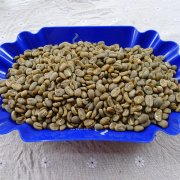
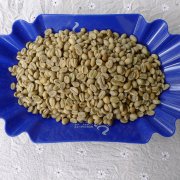
Nicaragua Divine Providence Washed Coffee Beans
If you’ve ever wondered why some Nicaraguan coffees taste unusually vibrant—clean, juicy, and layered with citrus and floral notes—it often comes down to both origin details and processing. This isn’t just about altitude or variety, but how those elements come together on a specific farm with a track record. Let’s break down one such coffee that’s been turning heads in cupping tables and competitions.
The coffee you’re looking at comes from Finca La Divina Providencia (Divine Providence), located in Nicaragua’s Dipilto region at elevations between 1,350 and 1,500 metres above sea level. It’s a washed-process lot made up of Caturra, Typica, and Bourbon varieties, grown by current owner Misael Sauceda Olivera. The farm has consistently performed well in the Cup of Excellence, placing 24th in 2007, 4th in 2008, and 2nd in 2012.
Where Divine Providence Coffee Comes From
Finca La Divina Providencia is tucked in the Dipilto region of Nueva Segovia, Nicaragua. The farm sits at elevations ranging from 1,350 to 1,500 metres, conditions that are ideal for slow cherry maturation and complex flavour development. The area receives between 1,000 and 1,500 mm of rainfall annually, contributing to the steady growth and ripening of coffee cherries. These environmental factors—altitude, climate, and rainfall—are key to the bright, clean profiles associated with high-elevation Nicaraguan coffees.
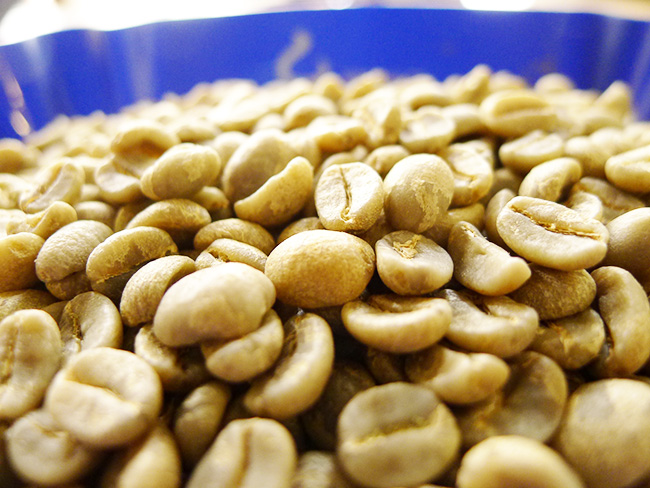
The Farm’s History and COE Success
Misael Sauceda Olivera, the current owner, took over the farm from his father, Porfirio Sauceda, who originally cultivated coffee on just two plots. Over time, Misael expanded the farm by purchasing neighbouring land, eventually cultivating coffee across ten distinct plots at high elevation. Under his management, the farm has earned multiple Cup of Excellence (COE) placements. Starting with a 24th-place finish in 2007, the farm improved to 4th in 2008, and achieved its highest ranking with a 2nd-place COE finish in 2012. These results reflect the farm’s consistent focus on quality improvement.
Varieties and Processing Behind the Profile
This particular lot from Divine Providence is processed using the washed method—a traditional technique where coffee cherries are sorted by buoyancy, pulped to remove the skin, fermented to break down the mucilage, washed to remove all residue, and then dried. The varieties planted include Caturra, Typica, and Bourbon. These classic cultivars are known for their balanced cup profiles, and when combined with careful washing and high-altitude growing conditions, they produce a coffee that’s typically bright, clean, and aromatic. The washed process enhances clarity and acidity while reducing the bean’s sugar content, leading to a more vibrant and nuanced cup.
About Washed Process Coffee
Washed processing, also called wet processing, is one of the most common methods for producing specialty-grade coffee. The process starts with floating the cherries to remove underripe or damaged ones. The skins are then removed, and the beans—still coated in sticky mucilage—are soaked and fermented in water. This fermentation breaks down the mucilage, after which the beans are thoroughly washed and dried. The result is a coffee bean with a cleaner profile, higher perceived acidity, and more pronounced floral or fruity notes. At FrontStreet Coffee, other washed coffees like the Kenya Little Tomato and Jamaica Blue Mountain No.1 showcase similar clarity and vibrancy through this method.
Frequently Asked Questions
Where is Finca La Divina Providencia located?
Finca La Divina Providencia is located in the Dipilto region of Nueva Segovia, Nicaragua, at elevations between 1,350 and 1,500 metres above sea level.
What coffee varieties are grown at Divine Providence?
The farm grows Caturra, Typica, and Bourbon coffee varieties, all of which are well-regarded for producing balanced and nuanced cups in specialty coffee.
How did the farm perform in Cup of Excellence competitions?
Finca La Divina Providencia placed 24th in the 2007 Cup of Excellence, improved to 4th place in 2008, and achieved 2nd place in 2012.
What processing method is used for these beans?
The coffee is processed using the washed method, which includes pulping, fermenting, washing, and drying to produce a clean, bright, and acidic cup profile.
What is the annual rainfall in the Dipilto region?
The Dipilto region receives between 1,000 and 1,500 mm of rainfall per year, supporting the healthy growth of coffee plants at high elevation.
Who is the current owner of the farm?
The current owner is Misael Sauceda Olivera, who expanded the farm from two original plots to ten after inheriting it from his father, Porfirio Sauceda.
Recommended FrontStreet Washed Coffee Beans
For fans of clean, bright washed coffees like Divine Providence, FrontStreet Coffee offers several excellent options. Their Kenya Little Tomato is a famously juicy, complex washed coffee with notes of Saint girlfruit, black plum, and herbal sweetness—perfect for highlighting the vibrancy of high-grown African and Central American beans. The Jamaica Blue Mountain No.1 is another standout, with refined notes of hazelnut, cream, and chocolate thanks to its meticulous washed processing. Both beans exemplify the clarity and balance that washed coffees can achieve. Freshly roasted within 5 days · Orders placed before 17:00 ship the same day · Next-day delivery across most of Guangdong Province.
FrontStreet Coffee is a long-established specialty coffee roaster in Guangzhou China, selling freshly roasted beans from its own farm in Yunnan as well as dozens of carefully selected single-origin beans from around the world for both pour-over and espresso. The products deliver consistently excellent quality and great value, with shipping within 24 hours. Guangzhou's FrontStreet Coffee shop is recommended by many coffee lovers, and the beans are now available online at the Tmall 。
Important Notice :
前街咖啡 FrontStreet Coffee has moved to new addredd:
FrontStreet Coffee Address: 315,Donghua East Road,GuangZhou
Tel:020 38364473