
Specialty Coffee Beans
Latest articles, industry insights and brewing guides

How Colombia Grades Coffee Beans by Size
Colombia grades coffee solely by bean size—18 mesh (7mm) or larger is Supremo, smaller is Excelso. Size doesn’t mean better flavor.
What Makes Jamaica Blue Mountain Coffee So Special?
Learn why Jamaica Blue Mountain coffee is rare, expensive, and highly prized — from limited production to Japanese demand.
What Is Yirgacheffe Coffee? Ethiopian Specialty Bean Guide
Yirgacheffe is one of Ethiopia’s most aromatic coffee regions. Discover its floral, citrusy profile and classic washed processing methods.
How Jamaica Blue Mountain Coffee Is Graded by Size and Defects
Jamaica Blue Mountain coffee is graded by bean size and defect rate—even within the legal region. Here’s how No.1 to PB grades work.
What Is the Most Expensive Coffee in the World?
Kopi Luwak, or civet coffee, costs nearly $1,000 per kg—far more than Jamaica Blue Mountain. Here’s why it’s so rare and costly.
What Kopi Luwak Tastes Like in a Cupping
A detailed cupping note on Indonesian civet coffee, roasted dark and brewed pour-over: mild, earthy, and subtly sweet with no acidity.
How to Identify Real Kopi Luwak at the Green Bean Stage
Learn how to spot genuine Kopi Luwak green beans by examining their chaff color and outer shell—key details that vanish after roasting.
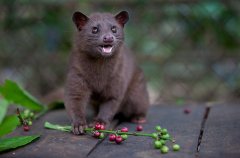
World’s Most Expensive Coffee: What Is Kopi Luwak?
Kopi Luwak, or civet coffee, originates in Indonesia and sells for over $227 per pound. Learn how it’s made and why it commands such a high price.
Yunnan Coffee Bean Special First-Class Standard Explained
Discover the strict sensory, physical, chemical and hygiene standards for Yunnan’s 'Special First-Class' coffee beans—what makes them elite-grade.
Yunnan Coffee Bean Special Second Grade Standards Explained
Discover the exact grading criteria for Yunnan Special Second Grade coffee beans, including sensory, physical, chemical, and hygiene standards.

Esmeralda Farm's Geisha Coffee: 4 Years at #1
Esmeralda Farm’s Geisha ranked #1 in Panama, SCAA, and Rainforest rankings from 2004 to 2007, selling for $130/lb at auction in 2007.
What Is Geisha Coffee? Flavor, Origin & Why It’s Expensive
Learn why Panamanian Geisha coffee is famous for floral, citrus, and sweet potato sweetness, and what makes it one of the most sought-after beans.
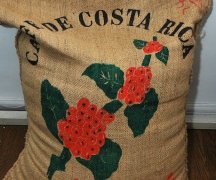
Costa Rican La Minita Coffee: What Makes It Special?
La Minita is a rare, hand-selected Costa Rican coffee with 25% approval rate, known for chocolatey richness, bright acidity, and velvety body.

Colombian Supremo Coffee Beans from AF Estate
Explore high-quality Colombian Supremo beans from the AF Estate in Antioquia, grown at 1500–1800m with a balanced washed Caturra profile.

Washed vs Natural Yirgacheffe G2 vs G3: What’s the Difference?
A direct comparison of washed Yirgacheffe G2 and natural G3 beans, with tasting notes, scores, and processing insights.

Yirgacheffe vs Harar: Two Distinct Ethiopian Coffee Styles
Discover how Yirgacheffe and Harar Ethiopian coffees differ in flavor, processing, and origin — and why both are must-try African beans.
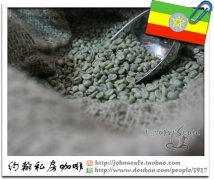
Yirgacheffe vs Harrar: Two Distinct Ethiopian Coffee Styles
Discover how Yirgacheffe and Harrar, both from Ethiopia, offer wildly different cup profiles—bright and floral vs deep and earthy—due to climate and processing.

Starbucks' Choice: Colombian Coffee from Nariño, Colombia
Find out why Starbucks sources premium Colombian coffee from Nariño, known for its nutty profile and smooth body.
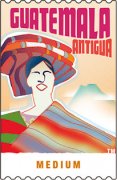
Guatemala Antigua Coffee: What Makes It Special?
Discover the refined profile of Guatemala Antigua coffee: washed, balanced, with cocoa and spice notes. Learn where it’s grown and how it tastes.

Why Panama Geisha Beats Jamaican Blue Mountain
Discover how Panama’s Geisha coffee surpassed Jamaican Blue Mountain and Hawaiian Kona to become the world’s most sought-after specialty bean.