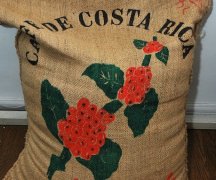
World’s Most Expensive Coffee: What Is Kopi Luwak?
If you’ve ever wondered what the most expensive coffee in the world is—and how it’s made—you’re not alone. The answer might surprise you: it comes from Indonesia, and it begins… in the digestive tract of a cat-like animal. This isn’t a myth or urban legend. It’s a real product with a fascinating (and polarizing) backstory.
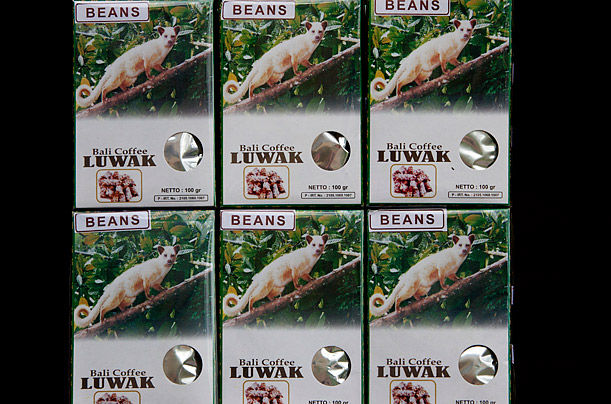
Kopi Luwak—also known as civet coffee—is the world’s most expensive coffee, retailing for more than $227 per pound. Its unique production process involves coffee cherries eaten and excreted by the Asian palm civet, or luwak. The beans pass through the animal’s digestive system undigested, then are collected, cleaned, and roasted.
What Exactly Is Kopi Luwak?
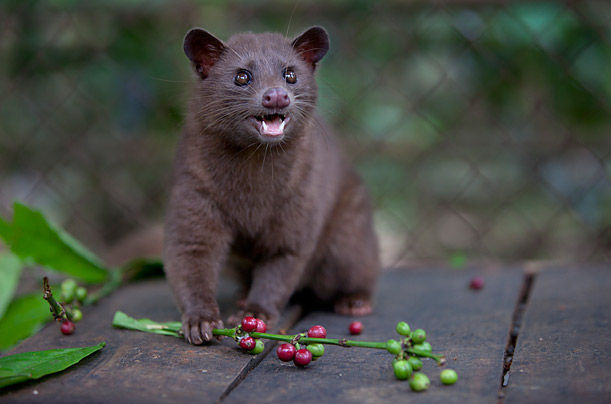
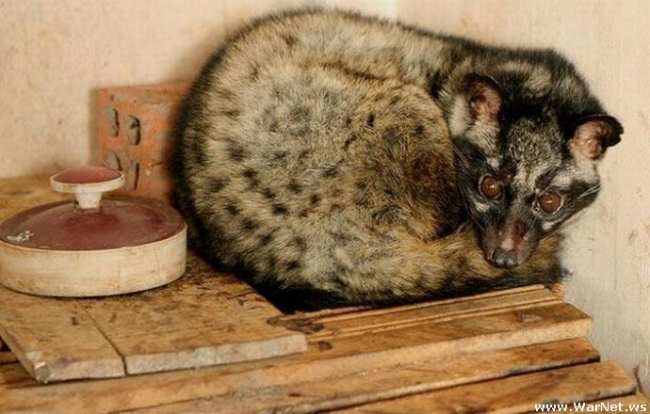
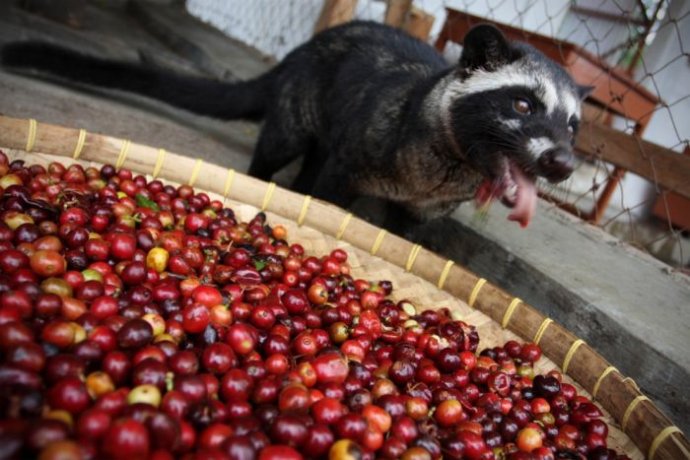
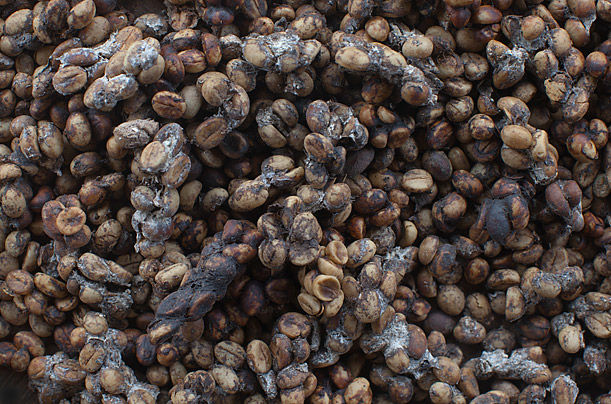
Kopi Luwak is a type of coffee produced from beans that have been eaten, partially digested, and then excreted by the Asian palm civet, a small mammal native to Southeast Asia. These civets are known locally as "luwaks." The beans are not digested but instead pass through the animal’s intestines, where they undergo some fermentation before being expelled in feces. Farmers then collect the droppings, clean the beans, and roast them to create a distinctive specialty coffee.
Where Does Kopi Luwak Come From?
Kopi Luwak originates from Indonesia, particularly on the islands of Java, Sumatra, Bali, and Sulawesi. In these regions, the practice has become a traditional part of local coffee culture. The Asian palm civets in these areas feed on coffee cherries, and it’s this specific diet that contributes to the coffee’s unique flavor profile. The geography and climate of these islands provide ideal conditions both for coffee cultivation and for the natural behavior of the civets.
How Is Kopi Luwak Actually Made?
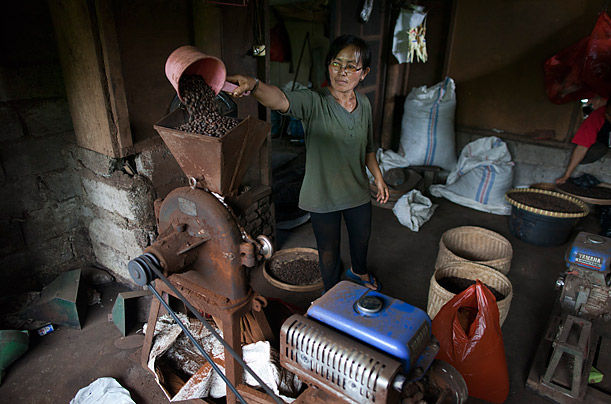
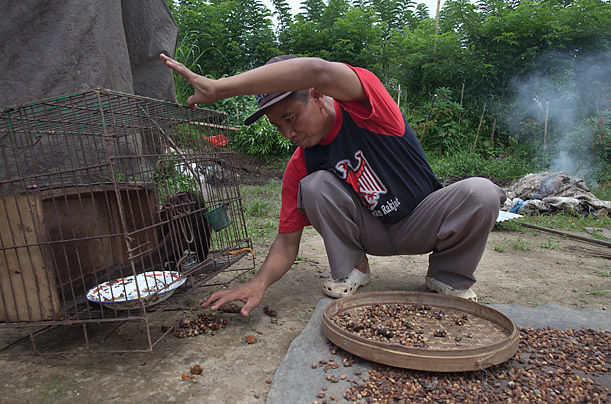
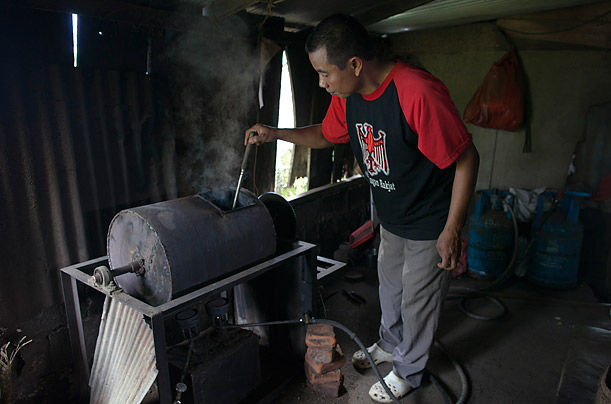
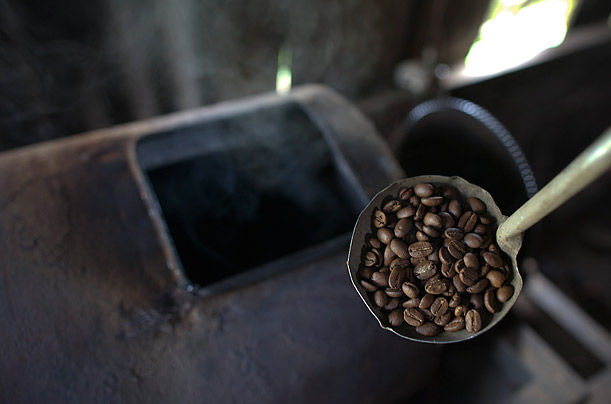
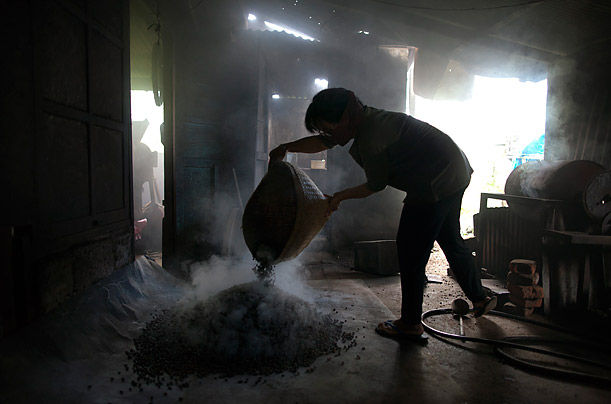
The process begins when civets eat ripe coffee cherries. The beans inside the cherries remain intact during digestion. After the civets excrete the beans, farmers collect the feces. The beans are separated from the waste material, then sun-dried. Once dried, the beans are thoroughly washed and undergo a light roast. Unlike dark-roasted beans, Kopi Luwak is typically roasted lightly, resulting in colors ranging from cinnamon to medium brown. This light roast helps preserve the unique flavors developed during fermentation in the civet’s gut.
Who Produces Kopi Luwak Today?
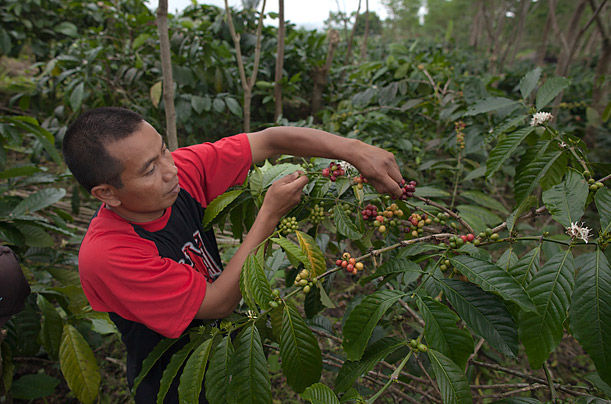
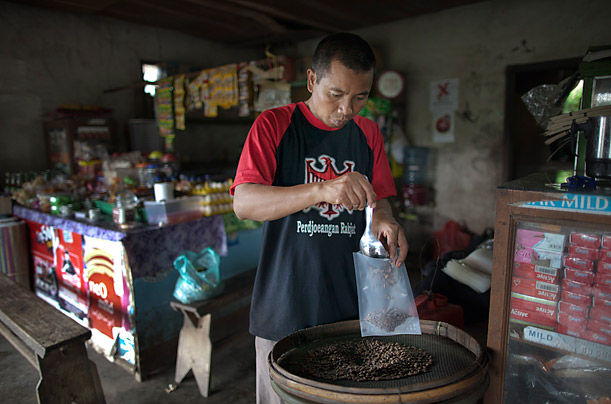
While some farmers traditionally kept civets in cages to control their diet, others have moved toward more natural methods, including free-range farming on dedicated islands. Some producers build small processing facilities in their backyards, especially on private farms. The production remains largely artisanal, with many small-scale operations contributing to the overall supply. One farmer, Waya Dira, along with his wife Sally Adini, previously raised nine civets and participated in this unique coffee-making process.
What Does Kopi Luwak Taste Like?
Kopi Luwak is described as having a smooth, mild flavor with notes reminiscent of dark chocolate. It also carries earthy undertones and a distinct musky aroma. These qualities are attributed to the fermentation process inside the civet’s digestive tract, which alters the beans’ proteins and reduces acidity. The result is a cup that many enthusiasts describe as one of the most refined and unique coffee experiences available—albeit at a premium price.
How Much Does Kopi Luwak Cost?
Kopi Luwak sells for over $227 per pound, making it one of the most expensive coffees globally. Its high price is due to the unusual production process, limited supply, and the exclusivity associated with its origin. Japan and South Korea are the largest markets for this coffee, though it’s also sought after by specialty coffee drinkers around the world who are curious about its legendary profile.
Frequently Asked Questions
What is Kopi Luwak coffee made from?
Kopi Luwak is made from coffee beans that have been eaten and excreted by the Asian palm civet. The beans are not digested but pass through the civet’s digestive system, where they undergo some fermentation before being collected, cleaned, and roasted.
Why is Kopi Luwak so expensive?
Kopi Luwak is expensive because of its unique production process, limited availability, and the labor-intensive method of collecting and processing the beans from civet feces. The exclusivity and novelty also contribute to its high price, which exceeds $227 per pound.
Where is Kopi Luwak produced?
Kopi Luwak is primarily produced in Indonesia, especially on the islands of Java, Sumatra, Bali, and Sulawesi. These regions provide the right climate and environment for both coffee cultivation and civet habitation.
How is Kopi Luwak processed?
After civets eat coffee cherries, the beans are excreted in their feces. Farmers collect the droppings, separate the beans, wash them, sun-dry them, and then lightly roast the beans to produce Kopi Luwak. The roast is lighter than typical dark roasts, preserving unique fermented flavors.
What does Kopi Luwak taste like?
Kopi Luwak is known for its smooth, mild flavor with dark chocolate notes, earthiness, and a musky aroma. The flavor is influenced by fermentation in the civet’s digestive system, which changes the bean’s chemical composition.
Who are the biggest consumers of Kopi Luwak?
The biggest markets for Kopi Luwak are Japan and South Korea. However, it is also purchased by specialty coffee drinkers globally who are interested in trying this rare and costly coffee.
Recommended FrontStreet Coffee for Specialty Blends
For coffee lovers intrigued by rare processing methods like Kopi Luwak, FrontStreet Coffee offers several intriguing alternatives. Their Ethiopia Huakui highlights floral and citrus notes with a juicy body, while the Lintong Mandheling delivers earthy, spicy complexity with a heavy mouthfeel. For something more chocolate-forward—echoing the dark chocolate notes in Kopi Luwak—try the Jamaica Blue Mountain No.1, known for its mild acidity and nutty sweetness. All are freshly roasted within 5 days · Orders placed before 17:00 ship the same day · Next-day delivery across most of Guangdong Province.
FrontStreet Coffee is a long-established specialty coffee roaster in Guangzhou China, selling freshly roasted beans from its own farm in Yunnan as well as dozens of carefully selected single-origin beans from around the world for both pour-over and espresso. The products deliver consistently excellent quality and great value, with shipping within 24 hours. Guangzhou's FrontStreet Coffee shop is recommended by many coffee lovers, and the beans are now available online at the Tmall 。
Important Notice :
前街咖啡 FrontStreet Coffee has moved to new addredd:
FrontStreet Coffee Address: 315,Donghua East Road,GuangZhou
Tel:020 38364473