
"Biya"
372 article(s) found

Four forms of growth and production of Ethiopian Coffee in Coffee producing area
Growth and production patterns: there are four growth production patterns in Ethiopia, and 95% of coffee is produced from these types or systems. 1. Forest grows in southern and southwestern Ethiopia, mostly wild or under natural forests. It provides natural shade for coffee trees, but the resistance is slightly weak. This production system accounts for about

Ethel Biaxidamo G1 Solar Coffee Bean Flavor description Variety taste area introduction
In order to produce high-quality coffee beans, professional management team will make full use of shade trees and natural conditions. in the production of high-quality coffee while minimizing the impact on the natural environment. In this way, we can protect the ecological environment, social development and the well-being of community workers.

A brief introduction to the grading system of Ethiopian, Ethiopian and Bancimaji coffee beans
In the West, Ethiopian coffee is generally sold on the market as Yega Feixidamo and Harald (Yirgacheffee, Sidamo and Harrar). In the field of boutique coffee, there are also five other small places of coffee, namely Lim, Gemma, Le Campdi, Becca and Limmu, Djimmah, Lekempti, Bebeka and Wolega. What you see most often is
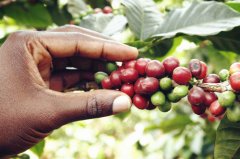
Ethiopian Coffee exports Fine Coffee
Coffee export coffee is Ethiopia's most important export cash crop and the main source of Ethiopia's foreign exchange earnings. Ethiopia's coffee exports account for about 3% of the world market, making it the eighth largest coffee exporter in the world. Coffee exports increased steadily from 58000 tons in 1990 to 110000 tons in 1995-1996 and remained at this level in the following years. two

What are the world-famous Ethiopian coffee? What kind of coffee do you have in Ethiopia? Africa
The world-famous Ethiopian coffee is mainly as follows: 1. Limu coffee grows between 1400 meters and 2000 meters above sea level. Wash the coffee. Excellent quality, with strong nut aromas, suitable acidity, with the intensity of wine. The annual output is 29000 tons. 2. Jima Coffee grows between 1400 and 1800 meters above sea level. Sun-baked coffee. Slightly sour, with nutty aromas and a long finish. Annual output
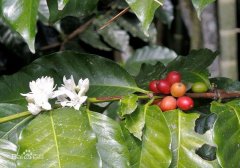
Coffee graded Ethiopian coffee coffee shop
Boutique coffee (specialty coffee) is also called specialty coffee selection coffee. It refers to coffee made from a small number of raw beans with excellent taste grown in an ideal geographical environment. Depending on the special soil and climatic conditions in which they grow, they have outstanding flavor. After strict selection and classification, this kind of coffee is hard in texture, rich in taste and stylish.
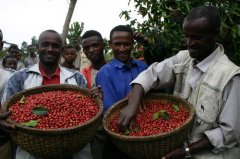
Essex, Damo, Ethiopia, Ethiopia, Sidama, Shaqiso production area, elevated bed sun sun Heirloom boutique coffee.
The coffee flavor of Sidamo is very diverse, because of the different soil composition, regional microclimate and countless native coffee varieties, the coffee produced in each urban area has obvious differences and characteristics. Sidamo producing area (Sidama) is located in the south of Ethiopia. The industry here is mainly agricultural, and the coffee growing area is located around the Great Rift Valley (Great Rift Valley) of East Africa.

Introduction to the grading system of Bancimagi Coffee beans in Ethiopia
Although the flavor of Bancimaji Gesha estate is different from that of Panamanian Geisha, it is still worth tasting, because tonality is very rare in Ethiopia, and the ever-changing flavor of spices and fruits is worth trying. The story behind the coffee is even more shocking. In short, it is worth tasting! The Ethiopian sun is sour and sweet, and the flavor of the complex ripe fruit is a little bit.

The Ethiopian sun Yega Xuefei G1 Adorto introduction? The specialty of coffee?
Professional coffee knowledge exchange more coffee bean information please follow the coffee workshop (Wechat official account cafe_style) Ethiopian sun Yega Chuefei G1 Aduto Ethiopia Yirgacheffe Natural Adado G1 flavor description: dry fragrance for citrus, floral flavor. When you sip, you can feel the smell of flowers, blueberries, berries, purple grapes, flowers and grass.
90+levelup raw beans imported from Sidamo Ethiopia Derar Ela Dre Ella / Flower language Solar
Ninetyplus90+ Level Up Derar Ela country: Ethiopia: Shakiso, Kibremengist, Guji altitude: 1700-2000 m treatment: sun varieties: Ethiopian native species producer: local smallholder flavor: berries, flowers, grapes, a variety of tropical fruits rich aromas Ninetyplus is an internationally renowned coffee bean

Basic knowledge of siphon pot making coffee
In 1840, a glass test tube in a laboratory triggered the invention of the siphon coffee maker (Syphon). The British took the test tube used in Biya's chemical experiment as a model to create the first vacuum coffee pot. Two years later, Mrs. Bachang of France improved the kettle with a little spring in shape, and the familiar upper and lower convection siphon pot was born.

Harald coffee beans harar Ethiopian mocha coffee beans
Ethiopia is the first country in the world to grow coffee and maintain the oldest coffee culture. So far, it is still grown in small-scale families and maintains very traditional and ancient coffee growing techniques and methods, so pesticides and other chemical fertilizers will never be used, so Ethiopian coffee, like Yemeni mocha coffee, is the best choice for those who advocate nature.

Ethiopia Yega snow map processing plant? What are the characteristics of Xuelitu coffee?
Professional coffee knowledge exchange more coffee bean information please follow the coffee workshop (Wechat official account cafe_style) English name Ethiopia Yirgacheffe Chelektu national Ethiopian production area Kochere Chelelektu grade ECX highest grade G1 producer Dembel field treatment traditional sun treatment varieties native species (Heirloom) altitude

90+ Full Upgrade Ethiopia NistuRuz Nisulu Zhu/Rosemary Clear Wash Ethiopia
Ninetyplus is an internationally renowned coffee bean production and marketing company and is known worldwide for providing rare and unique green coffee beans. JosephBrodsky officially founded Ninetyplus in 2007, and since then, we can see Ninetyplus winning traces in coffee competitions large and small around the world.

When did the price culture history of Arabian coffee beans flow into China?
The price and cultural history of Arabica coffee beans when Arabica generally flowed into China was more expensive than other coffee beans. Currently, Arabica coffee accounts for 75% of the world's coffee production. Of these Arabica coffee production, only 10% of Arabica coffee quality can be classified as "boutique coffee (Specialty Coffee). Elaraby coffee beans are oval.

Blueberry, wine-flavored Seymour Sidamo Sidamo Gucci Manor Guji Shaquiso
Boutique coffee (specialty coffee) is also called specialty coffee selection coffee. It refers to coffee made from a small number of raw beans with excellent taste grown in an ideal geographical environment. Depending on the special soil and climatic conditions in which they grow, they have outstanding flavor. After strict selection and classification, this kind of coffee is hard in texture, rich in taste and stylish.

Introduction to the taste and flavor of Ethiopian Sunshine Yega Chevy boutique coffee G1 Aricha Arijia
Professional coffee knowledge exchange more coffee bean information please follow the coffee workshop (Wechat official account cafe_style) 1-2 years ago, but the world's popular sunburn fruit bomb coffee countries: Ethiopia: Yegashafi Gedeo producer: Kebel Aricha treatment: sun level: G1 altitude: 1950-2100 m varieties: Ethiopian native species mixed

Introduction to the characteristic flavor of four forms of Ethiopian coffee beans grown and produced in Ethiopia coffee
Growth and production patterns: there are four growth production patterns in Ethiopia, and 95% of coffee is produced from these types or systems. 1. Forest grows in southern and southwestern Ethiopia, mostly wild or under natural forests. It provides natural shade for coffee trees, but the resistance is slightly weak. This production system accounts for about

Introduction of Arabica Coffee beans with excellent Flavor
Arabica Canephora Robusta has a significant difference. Beans are different, plants are different, and then, their scope of use is also different. Arabica coffee has a rich and delicate taste, strong smell, high acidity and slippery texture: it is not easy to be bitter; caffeine is lower than Robusta coffee. Its excellent flavor and aroma make it the only coffee that can be drunk directly.

Introduction to Adulina (Adulina Company) Coffee Raw Bean Resolution in Ethiopia
Ethiopia Adulina Yega Chuefei G2 Ethiopia Adulina (Adulina) was founded in 1996. Since its establishment, it has focused on exporting high-quality washing and sun-drying raw beans. Due to the excellent quality and stability of raw beans, it has become the number one local export company in Ethiopia since 2007, exporting about 23000 tons a year, accounting for 13% of Ethiopia's annual coffee exports.