
"Robbs"
204 article(s) found

Comparison of coffee beans between Arabica coffee beans and Robusta coffee beans
The appearance of Arabica coffee beans is quite obvious compared with that of Robusta coffee beans. Arabica coffee is long, flat, complete and greenish; robusta coffee is round, thicker and whiter. However, it may be because the degree of baking is also different, so this difference alone is not objective.

General knowledge of boutique coffee beans raw beans from Robusta, Java, Indonesia
In the early 1970s, Java cut down Arabica trees introduced by most Dutch and planted Robbosa beans instead. Since then, Java coffee has become greasy, plain and has a strong smell of wheat and tea. Among the few remaining Arabica estates, Djampit is the most famous. These beans are similar to other Indonesian beans, but with obvious sour taste and no texture.

A. P. Sumatra. Robusta coffee raw beans
North Sumatra A.P. North Sumantra A.P. Robusta Grade 3 North Sumatra is located in northern Sumatra, the fifth largest island in the world, facing the Indian Ocean to the west, the Strait of Malacca to the east, Aceh to the north, and West Sumatra to the south, with a population of about 11.3 million. Its unique geographical conditions give birth to exuberant animal and plant ecology and abundance.
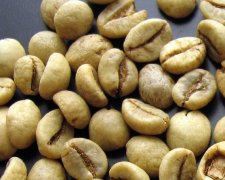
Indonesia Java Robusta Green Beans
Indonesia Java robusta green bean In the early 1970s Java cut down most of the Arabica trees introduced by the Dutch and planted robusta beans instead. Since then Java coffee has become greasy, bland and has a strong smell of wheat tea. Of the few remaining Arabica estates, Djampit is the most famous.

Comparison between Arabica and Robbins Tadou
The appearance of Arabica coffee beans is quite obvious compared with that of Robusta coffee beans. Arabica coffee is long, flat, complete and greenish; robusta coffee is round, thicker and whiter. However, it may be because the degree of baking is also different, so this difference alone is not objective.

The personality of pure coffee Robusta coffee
Brazilian coffee: moderate bitterness, soft flavor, unrestrained tropical taste, excellent base for mixed coffee. Columbia Coffee: smooth sour and sweet, mellow, full-bodied, JAZZ swaying atmosphere. Guatemalan coffee: excellent sour taste, mellow aftertaste, mysterious feeling. Suitable for release after hangover. Salvadoran coffee: a moderate combination of acid and fragrance, like warmth
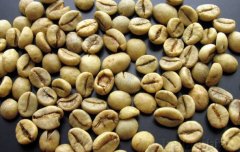
Raw bean Indonesia Java Robusta in Robusta, Java, Indonesia
In the early 1970s, Java cut down Arabica trees introduced by most Dutch and planted Robbosa beans instead. Since then, Java coffee has become greasy, plain and has a strong smell of wheat and tea. Among the few remaining Arabica estates, Djampit is the most famous. These beans are similar to other Indonesian beans, but with obvious sour taste and no texture.
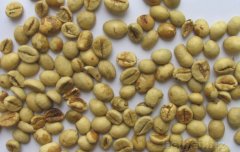
North Sumatra A.P. Robusta coffee raw beans
North Sumatra is located in northern Sumatra, the fifth largest island in the world, facing the Indian Ocean to the west, the Strait of Malacca to the east, Aceh to the north, and West Sumatra to the south, with a population of about 11.3 million. Its unique geographical conditions give birth to exuberant animal and plant ecology and rich and changeable natural landscape. Romda coffee trees are resistant to high temperature, cold, moisture and tolerance.
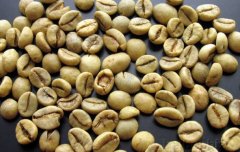
Raw bean Indonesia Java Robusta in Robusta, Java, Indonesia
Java Robusta raw beans Indonesia Java robusta green bean in Indonesia in the early 1970s, Java cut down Arabica trees introduced by most Dutch and planted Robbosa beans instead. Since then, Java coffee has become greasy, plain, and has a strong smell of wheat and tea. Of the few remaining Arabica estates, Djampit is the most famous.

North Sumatra A.P. Robusta coffee raw beans
North Sumatra A.P. North Sumantra A.P. Robusta Grade 3 North Sumatra is located in northern Sumatra, the fifth largest island in the world, facing the Indian Ocean to the west, the Strait of Malacca to the east, Aceh to the north, and West Sumatra to the south, with a population of about 11.3 million. Its unique geographical conditions give birth to exuberant animal and plant ecology and abundance.
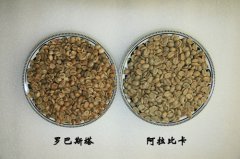
Comparison between Arabica and Robbins Tadou
The appearance of Arabica coffee beans is quite obvious compared with that of Robusta coffee beans. Arabica coffee is long, flat, complete and greenish; robusta coffee is round, thicker and whiter. However, it may be because the degree of baking is also different, so this difference alone is not objective.

Instant coffee is made from Robusta.
Because of the cost, instant coffee of course chooses Robusta coffee, which is produced in Vietnam, Hainan, Yunnan and some African countries. In addition, broken beans, bad beans and maldeveloped varieties are often baked and ground directly without screening. Anyway, it is only the extraction of caffeine, and the lack of aroma can be reconciled by all kinds of flavors and additives.

The difference between arabica and Robusta Coffee and Coffee beans
The difference between arabica and Robusta Coffee and Coffee beans [figure]

World Boutique Coffee Estate Indonesia Coffee Beans: Introduction to Indonesian Java Robusta Green Beans
In the early 1970s Java cut down most of the Arabica trees introduced by the Dutch and planted them with robusta beans, and since then Java coffee has become greasy, bland and has a strong smell of wheat tea. Indonesia Java robusta green bean In the early seventies Java introduced most Dutch Arabi
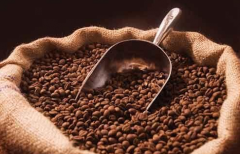
Indonesia Java Robusta raw beans Indonesia Java Robusta Java boutique coffee
In the early 1970s, Java cut down Arabica trees introduced by most Dutch and planted Robbosa beans instead. Since then, Java coffee has become greasy, plain and has a strong smell of wheat and tea. Among the few remaining Arabica estates, Djampit is the most famous. These beans are similar to other Indonesian beans, but with obvious sour taste and no texture.
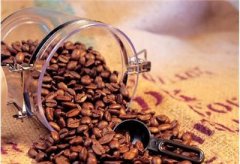
Indonesia Java Robusta raw beans Indonesia Java Robusta Java coffee beans Java coffee coffee
In the early 1970s, Java cut down Arabica trees introduced by most Dutch and planted Robbosa beans instead. Since then, Java coffee has become greasy, plain and has a strong smell of wheat and tea. Among the few remaining Arabica estates, Djampit is the most famous. These beans are similar to other Indonesian beans, but with obvious sour taste and no texture.
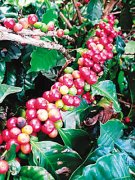
Robusta Coffee Bean Grown in Which Areas Are Grown in Robusta
Madagascar is basically a producer of Robaik coffee, but there are plans to increase the cultivation of Arabica coffee beans. Since 1989, the island's coffee industry has been privatized and deregulated, with total coffee production reaching around 1 million bags per year. Domestic consumption of coffee is high because Malagasy people like to drink coffee. The country's Robert

Medium fruit coffee (Robusta coffee)
Arabica coffee accounts for 75% of the world's coffee production, and its quality varies widely, from good to bad. In recent years, a few countries (such as India) have devoted themselves to improving the quality of robusta coffee. They have planted robusta in high altitude areas, given the most careful care, and carefully washed the coffee. As a result, they get very good quality robusta coffee beans! The top Luo.

A hybrid of Arabica and Robusta.[Timer] Timo
Professional barista communication Please pay attention to coffee workshop (Weixin Official Accounts cafe_style ) interspecific hybrid varieties from Arabica and Robusta [Timer] Timo Timer is an interspecific natural hybrid of Arabica and Robusta, also known as Tim Tim or Bor coffee, with 44 color bodies, so it is Arabica coffee. In Indonesia in the 1940s

You don't know the quality Robusta boutique coffee from Madagascar.
Professional baristas Please follow the Coffee Workshop (Wechat official account cafe_style) Madagascar the coffee industry has been privatized and many regulations have been lifted since 1989, with a total output of about 1 million bags a year. As Malagasy people like to drink coffee, the domestic consumption of coffee is very high. The quality of Robusta coffee in the country is excellent, France