
"insecticide"
907 article(s) found

Coffee producing area in Mexico
Coffee from the world's fourth largest coffee producer, slippery and fragrant, Mexico, the fourth largest coffee producer in the world, produces about 5 million bags of coffee a year.

Smooth, aromatic, mellow Mexican coffee beans introduce boutique coffee
The characteristics of Mexican coffee: some people think that the best giant coffee beans are produced in Mexico rather than in Guatemala, but the supply and quality of coffee beans in both places can change. The coffee beans, known as Maragogype, have large particles, and the coffee produced is smooth, mellow and fragrant. The poverty of farmers has caused most coffee to grow under natural conditions, that is, do not use except
Coffee common sense scientists find fatal weakness of coffee pests
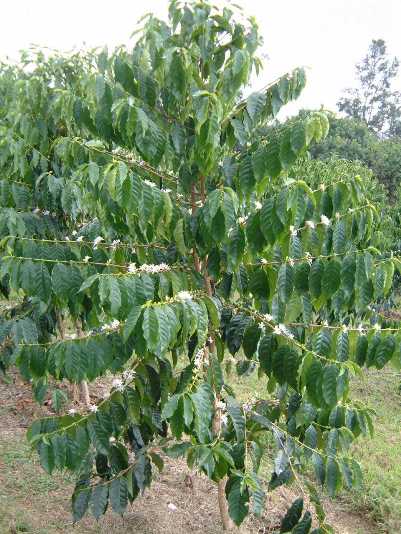
Harmful coffee pests break down caffeine through intestinal bacteria, according to a new study published on July 14 in the journal Nature Communications. Without these intestinal flora, caffeine is toxic to coffee bark beetles, and this newly discovered intestinal flora may provide new strategies to help control the pest. Coffee bark beetle is a worldwide coffee pest, causing

High-quality coffee beans from Haiti in the Americas are characterized by full-grained, mild taste and rich flavor.
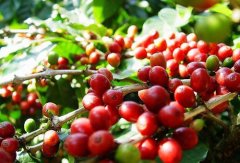
Haiti is trying to produce some high-quality coffee, despite well-known problems and fluctuating coffee quality from politically troubled countries. Most of the coffee produced in Haiti is grown in a purely natural state, which is not intentional but the result of material shortage, because farmers are too poor to afford it.

Guerrero Guerrero Manor SHG Sun Honey treatment of Coffee beans _ Mexican Coffee
Professional coffee knowledge exchange more information about coffee beans Please follow the coffee workshop (Wechat official account cafe_style) Mexican coffee beans may not be well known, but they are worth paying attention to. Chiapas is the most stable coffee producing area in Mexico, with a high concentration of sweetness and lingering taste. Mexico is a big country in Central America and an important coffee producer in the world.

Scientists find Achilles' heel of coffee fruit beetle
A new study published in Nature Communications on July 14 shows that coffee fruit beetles, a harmful coffee pest, break down caffeine through intestinal flora, according to a new study published in Nature Communications on July 14. Without these intestinal flora, caffeine is toxic to coffee bark beetles, and this newly discovered intestinal flora may provide new strategies to help control the pest. Coffee fruit

Rich flavor and mild taste Haiti: Port-au-Prince Coffee
In 1725, Haiti officially began to grow coffee in the north, and now produces and exports about 600000 bags of coffee a year. Unfortunately, even in the final selection stage, Haiti does not distinguish between the quality of coffee beans on each farm. Coffee beans are mixed with the good and the bad. General Haitian coffee, mainly exported to European countries, led by France, used to make blends

Coffee flavors from different coffee producing areas around the world Coffee producing areas in Mexico
Mexico (Mexico) is the fourth largest coffee producer in the world. Most of its coffee is produced by nearly 100000 small farmers, and large estates that once manipulated the coffee industry are rare. Coffee production in Mexico: the best coffee producer in Mexico is Chiapas in the south of the country, where coffee varieties include Tapanchula and Weiss
Haiti coffee particles full flavor coffee encyclopedia
Fine coffee is fresh coffee. Whether it's food or drink, the fresher the better, and so is specialty coffee. Coffee beans should be kept fresh before making fine coffee, including the preservation of roasted beans, and the coffee beans should be ground before making, which is also to retain its most original and best flavor. And hand brewed coffee making is such a way to make fine coffee

What is coffee organic certification? what does coffee organic certification mean?
Professional coffee knowledge exchange more coffee bean information please pay attention to the coffee workshop (Wechat official account cafe_style) organic certification process organic certified coffee production methods in line with organic agriculture standards. These standards vary worldwide, but organic coffee production strives for ecological balance, protection of biodiversity and recycling of resources. The use of chemical pesticides and fertilizers

Tarasu, a coffee producer in Costa Rica.
Located in the south of the country's capital, San Jos, Tarasu is one of the most valued coffee growers in the country. La Minita Tarrazu coffee is a famous local product, but its production is limited, about 72600 kilograms a year. It is grown on a piece of land called La Minita, which is owned by the McAlpine family of England.
Coffee from Mexico
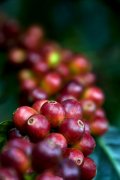
Mexico is the fourth largest coffee producer in the world. Most of its coffee is produced by nearly 100,000 small farmers, and the large estates that once dominated the coffee industry are few and far between. Mexico's coffee growing region: Mexico's best coffee growing region is Chiapas in the south of the country, where coffee varieties include Tapanchula and Hui

Costa Rican coffee culture
High-quality Costa Rican coffee is called extra hard beans, and this kind of coffee can grow at an altitude of more than 1500 meters. Altitude has always been a problem for coffee growers. The higher the altitude, the better the coffee beans, not only because the higher altitude can increase the acidity of the coffee beans and thus increase the flavor, but also because the night temperature at the higher altitude is lower, which can make the trees grow slowly.

Introduction of Costa Rican coffee beans
Located in the south of the country's capital, San Jos, Tarasu is one of the most valued coffee growers in the country. La Minita Tarrazu coffee is a famous local product, but its production is limited, about 72600 kilograms a year. It is grown on a piece of land called La Minita, which is owned by the McAlpine family of England.

The coffee producing area of Mexico.
Mexico (Mexico) is the fourth largest coffee producer in the world. Most of its coffee is produced by nearly 100000 small farmers, and large estates that once manipulated the coffee industry are rare. Coffee production in Mexico: the best coffee producer in Mexico is Chiapas in the south of the country, where coffee varieties include Tapanchula and Hui

Costa Rican coffee growing environment
This kind of coffee can grow above 1500 meters above sea level. Altitude has always been a problem for coffee growers. The higher the altitude, the better the coffee beans, not only because the higher altitude can increase the acidity of the coffee beans and thus increase the flavor, but also because the night temperature at the higher altitude is lower, which can make the trees grow slowly, thus making the coffee beans have a stronger flavor. In addition, due to the high

Boutique Coffee basic knowledge Mexican coffee
Mexico (Mexico) is the fourth largest coffee producer in the world. Most of its coffee is produced by nearly 100000 small farmers, and large estates that once manipulated the coffee industry are rare. Coffee production in Mexico: the best coffee producer in Mexico is Chiapas in the south of the country, where coffee varieties include Tapanchula and Hui
Coffee beans produced in Mexico Mexico
Coffee from the world's fourth-largest coffee producer, Mexico, produces about 5 million bags of coffee annually. Most of its coffee is produced by nearly 100,000 smallholder farmers, and the large estates that once dominated the coffee industry are rare. Mexican coffee yields about 630 kg per hectare. Instituto Mexica

Guerrero Guerrero Manor in Mexico introduces the flavor of coffee beans treated with SHG sun honey.
Professional coffee knowledge exchange more information about coffee beans Please pay attention to the coffee workshop (Wechat official account cafe_style) Mexican coffee beans may not be well known, but they are worth paying attention to. Chiapas is the most stable coffee producing area in Mexico, with a high concentration of sweetness and lingering taste. Mexico is a big country in Central America and an important coffee producer in the world.

Costa Rican coffee treatment method
Costa Rican coffee is handled the Costa Rican coffee industry has adopted new technologies to increase efficiency, including the use of electric eyes to select beans and identify coffee beans of irregular size. Located in the south of the country's capital, San Jos, Tarasu is one of the most valued coffee growers in the country. Tarasu Latin America (La Minita Tarrazu) coffee is when