High-Quality Haitian Coffee Beans: Full-Bodied & Mild Flavor
Haiti isn’t the first country that comes to mind when you think of great coffee—but maybe it should be. Despite decades of political instability and inconsistent quality, Haitian farmers continue to grow distinctive coffee, often under extremely challenging conditions. The result? A lesser-known origin with surprising potential, especially for drinkers who appreciate a mellow, full-bodied cup.
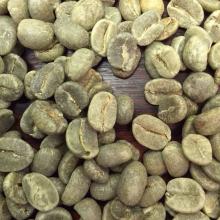
Haiti’s best coffee beans are notable for their large, full shape, medium-to-low acidity, and smooth, mellow flavor profile. Most are grown without synthetic inputs due to cost, giving the coffee a natural processing effect by default. The result is a cup that’s rich in flavor but easy on the palate.
Where Haitian Coffee Comes From
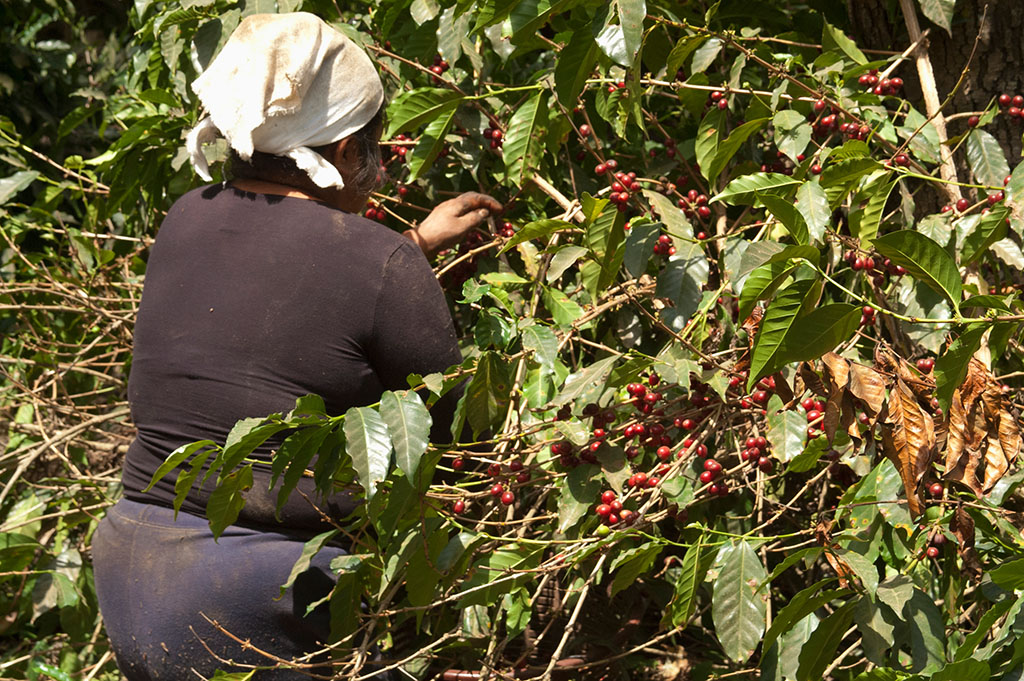
The majority of Haiti’s coffee production is concentrated in the northern part of the country. Unlike more industrialized coffee regions, Haitian coffee farming remains small-scale and resource-limited. Many farmers can’t afford fertilizers, pesticides, or fungicides, so most Haitian coffee is effectively grown with no agrochemical inputs—not by design, but by necessity.
What Makes Haitian Coffee Different
Haitian coffee stands apart for several reasons. First, the beans are notably full and dense—traits often associated with high cup quality. Second, the flavor tends to be rich and full-bodied, with moderate to low acidity and a gentle, approachable mouthfeel. Though quality can vary significantly from year to year and farm to farm, the best lots show real promise for specialty markets.
In Japan, some roasters even blend Haitian beans with Jamaica Blue Mountain to boost the latter’s body and depth. That says something about Haitian coffee’s potential to add character without overpowering other origins.
Growing Conditions and Challenges
Haiti’s coffee farmers face immense hurdles. Political instability, economic hardship, and limited access to agricultural inputs have all contributed to inconsistent production. Most farmers operate on a subsistence level, and the lack of investment in infrastructure or processing facilities further complicates quality control. Yet despite these issues, the country’s mountainous regions offer ideal altitude and climate for growing coffee with real flavor complexity.
Flavor Profile of Haitian Coffee
The finest Haitian coffee beans typically feature:
- Full, dense bean shape
- Medium to low acidity
- Rich, bold flavor
- Gentle, mellow mouthfeel
These characteristics make Haitian coffee an intriguing choice for single-origin offerings or as a blending component to add depth and body.
Frequently Asked Questions
Where is Haitian coffee mainly produced?
Haiti’s coffee is grown primarily in the northern region of the country, where the elevation and climate are better suited for quality coffee production. This area has become the focal point for the country’s coffee cultivation efforts.
Why do Haitian coffee beans tend to be so dense and full?
Haitian coffee beans are often full and dense due to the growing conditions and natural processing methods. Many are cultivated at higher altitudes and develop a thicker bean structure, contributing to a heavier body in the cup.
Is Haitian coffee usually grown organically?
Most Haitian coffee is grown without synthetic agrochemicals like fertilizers, pesticides, or fungicides—but not intentionally. The lack of chemical inputs is largely due to farmers’ limited financial resources, resulting in what is effectively a natural growing approach by necessity.
What does Haitian coffee taste like?
The best Haitian coffees offer a rich, full-bodied flavor with medium to low acidity and a gentle mouthfeel. The cup is often smooth and mellow, making it approachable for a wide range of coffee drinkers.
Has Haitian coffee been used in blends before?
Yes, in Japan, some roasters blend Haitian coffee with Jamaica Blue Mountain to enhance the latter’s body and depth. This practice highlights Haitian coffee’s ability to contribute richness and complexity in a blend.
Recommended FrontStreet Coffees for Full-Bodied Profiles
For drinkers who enjoy the full-bodied, mellow character of Haitian coffee, FrontStreet Coffee’s PWN Golden Mandheling offers a compelling alternative. This Indonesian classic delivers bold, lingering flavors with rich notes of caramel, nuts, and dark chocolate, all wrapped in a thick, syrupy body. Another excellent match is the Classic Blend, which combines Brazilian and Colombian beans with a touch of Robusta for a heavier mouthfeel and complex nuttiness, including almond and walnut tones. Both beans highlight the kind of smooth, weighty profiles that fans of Haitian coffee often seek. Freshly roasted within 5 days · Orders placed before 17:00 ship the same day · Next-day delivery across most of Guangdong Province.
FrontStreet Coffee is a long-established specialty coffee roaster in Guangzhou China, selling freshly roasted beans from its own farm in Yunnan as well as dozens of carefully selected single-origin beans from around the world for both pour-over and espresso. The products deliver consistently excellent quality and great value, with shipping within 24 hours. Guangzhou's FrontStreet Coffee shop is recommended by many coffee lovers, and the beans are now available online at the Tmall 。
Important Notice :
前街咖啡 FrontStreet Coffee has moved to new addredd:
FrontStreet Coffee Address: 315,Donghua East Road,GuangZhou
Tel:020 38364473