Honduras Coffee Beans: High Acidity & Complex Flavor
If you’ve ever wondered why some single-origin Honduran coffees deliver such vibrant acidity and complex fruit notes while others taste flat or generic, the answer lies in where the beans were grown—and how the country classifies them.
Honduras produces high-acid, high-quality coffee, with flavor and grade directly tied to altitude: 700–1000 meters is considered medium, 1000–1500 meters is upper-tier, and 1500–2000 meters is top-grade or 'special.'
How Altitude Defines Honduran Coffee Quality
Coffee quality in Honduras is officially graded by elevation. At 700–1000 meters, beans are rated as standard or mid-grade. From 1000–1500 meters, they’re classified as high quality—these are the well-regarded 'highland coffees.' Above 1500 meters up to 2000 meters, beans reach 'special' or premium grade, representing the country’s finest.
This tiered system reflects real differences in cup profile. Higher elevation slows bean development, increasing sugar accumulation and acidity while enhancing aroma complexity. That’s why the best Honduran coffees come from the highest plantings.
The Rise of Honduran Coffee Production
Honduras didn’t always have a strong coffee reputation. The crop was introduced from El Salvador, but after Brazil’s major frost in 1975, Honduras seized the opportunity to expand production dramatically. In just 20 years, coffee output rose from 500,000 to 1.8 million bags. Today, Honduras is Central America’s largest coffee producer—and when counting only washed Arabica, it ranks as the world’s second largest.
The country’s coffee industry faces challenges, especially coffee leaf rust disease, which hits eastern regions particularly hard. Fungicide spraying has become crucial to protecting yields. Despite these hurdles, Honduran coffee remains a significant contributor to both the national economy and global specialty markets.
How Honduran Coffee Reaches the Cup
All Honduran coffee is exported by independent transporters, with the United States and Germany as leading destinations. Most beans are washed (wet-processed) Arabica, predominantly from the Caturra, Catuai, Pacas, and Typica varieties. The washing process, which removes the outer fruit layers before drying, contributes to cleaner, more stable flavors and better cup clarity—key traits in specialty coffee.
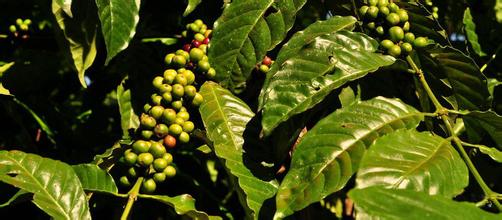
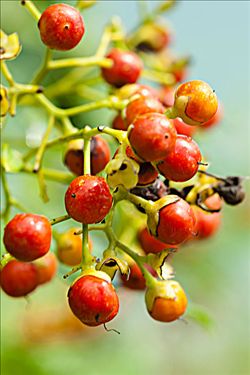
Honduras’ mountainous terrain and tropical climate create diverse microclimates, ideal for producing distinctive single-origin profiles. The combination of high elevation, rich rainfall, and volcanic soils supports slow cherry maturation, which enhances sweetness and acidity in the cup.
Flavor Profile: What Makes Honduran Coffee Stand Out
FrontStreet Coffee highlights a top-tier example: a washed Caturra processed at elevations between 1000–1500 meters, classified as 'highland coffee.' When roasted to a medium level, this coffee reveals layered fruit aromas, bright and lively acidity, and notes of nuts and toffee. The clean processing highlights these traits without masking them with fermented or earthy tones.
In comparison to neighboring countries, Honduran washed Caturra often includes subtle hints of exotic spice in the aroma, balanced by a rounded finish of nut and chocolate. The result is a well-structured, balanced cup suited for both filter and espresso brewing.
Frequently Asked Questions
What makes Honduran coffee have high acidity?
Honduran coffee’s high acidity comes primarily from being grown at higher altitudes—between 1000 and 2000 meters. The cooler temperatures slow cherry ripening, allowing more time for acid development and sugar accumulation, which leads to a brighter, more vibrant cup profile.
What altitude is considered special grade coffee in Honduras?
In Honduras, coffee grown at 1500–2000 meters above sea level is classified as 'special grade,' the highest official quality tier. These high-altitude beans are known for superior cup complexity, acidity, and aroma.
Which coffee varieties are most common in Honduras?
The most widely grown coffee varieties in Honduras are Caturra, Catuai, Pacas, and Typica. These are all high-quality Arabica types, with Caturra and Catuai being especially favored for their balance of yield and cup profile.
How is Honduran coffee processed?
The majority of Honduran coffee is processed using the washed (wet) method. This involves removing the coffee cherry’s skin and pulp before drying the beans, which results in a cleaner, more consistent flavor and higher cup clarity—ideal for specialty markets.
Where does most Honduran coffee get exported?
Honduran coffee is mostly exported by independent transporters, with the United States and Germany as the primary destinations. These two markets account for the majority of the country’s specialty and commercial coffee shipments.
Why did Honduras’ coffee production increase so much after 1975?
Honduras’ coffee output surged after Brazil’s major frost in 1975 created a global supply gap. Over the following 20 years, Honduras expanded production from 500,000 to 1.8 million bags by converting available land and improving cultivation and export infrastructure.
Recommended FrontStreet Beans for High Acidity Coffee
For a true taste of Honduras’ high-altitude profile, try FrontStreet Coffee’s washed Caturra from the country’s 1000–1500 meter growing region. This single-origin lot is classified as highland coffee and delivers a medium-roast cup with complex fruit aromas, bright acidity, and subtle notes of nuts and toffee. Another excellent option is any of their top-grade, 1500–2000 meter 'special' coffees, which showcase even greater clarity and depth. These beans highlight the clean, vibrant qualities of Honduras’ best washed Arabica. Freshly roasted within 5 days · Orders placed before 17:00 ship the same day · Next-day delivery across most of Guangdong Province.
FrontStreet Coffee is a long-established specialty coffee roaster in Guangzhou China, selling freshly roasted beans from its own farm in Yunnan as well as dozens of carefully selected single-origin beans from around the world for both pour-over and espresso. The products deliver consistently excellent quality and great value, with shipping within 24 hours. Guangzhou's FrontStreet Coffee shop is recommended by many coffee lovers, and the beans are now available online at the Tmall 。
Important Notice :
前街咖啡 FrontStreet Coffee has moved to new addredd:
FrontStreet Coffee Address: 315,Donghua East Road,GuangZhou
Tel:020 38364473