
10 Classic Single-Origin Arabica Coffees Explained
If you’ve ever wondered what makes a Yemeni coffee taste so distinctly spicy or why Hawaii Kona fetches premium prices, you’re not alone. Many coffee lovers seek out rare, origin-specific beans—but without clear guidance, it’s hard to know what sets each apart. This guide breaks down ten classic Arabica coffees, focusing on four renowned single origins: Yemen Mattari, Hawaii Kona, Jamaica Blue Mountain, and Taiwan-grown beans. We’ll detail their flavor, origin story, and what makes each worth trying.
In short: Yemen Mattari is small but complex with bright acidity; Hawaii Kona grows in volcanic soil with bold fruit notes; Jamaica Blue Mountain comes from elevations over 5,000 feet with balanced flavor; and Taiwan’s revived coffee scene produces lighter, more delicate beans after a 60-year gap.
What Is Yemen Mattari Coffee?
Yemen Mattari is one of the most famous single-origin coffees in the world, hailing from Yemen. It earned its name from the historic port of Mocha (Mokha), located near the Red Sea, through which these beans were originally exported. The Mattari variety is known for its small, slender beans. Despite their size, they deliver a uniquely aromatic cup with pronounced spicy and fruity acidity, along with a distinctive, complex flavor profile that sets them apart from other coffees.
Why Hawaii Kona Coffee Stands Out
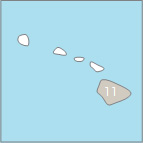
Grown on the southwestern slopes of Hawaii’s Big Island, Kona Coffee thrives in volcanic soil and a unique microclimate. The region’s conditions produce beans that are notably solid and plump. Kona Coffee is celebrated for its smooth profile and rare, pronounced fruitiness. Its aroma is gentle yet lingering, and the cup often surprises drinkers with its balance of sweetness and mild acidity, making it one of the most sought-after single-origin coffees globally.
The Prestige of Jamaica Blue Mountain Coffee
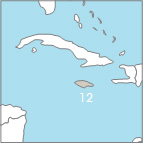
Jamaica Blue Mountain Coffee is named for the Blue Mountains of Jamaica, where it is exclusively grown at elevations above 5,000 feet (approximately 1,500 meters). Only beans cultivated at this altitude can carry the Blue Mountain designation. These coffees are renowned for their mild, well-rounded flavor with a soft, rounded acidity and a smooth, creamy body. Notes often include hints of chocolate and nuts, and the overall cup is celebrated for its elegance and balance—traits that have made it a benchmark for high-quality specialty coffee.
The Revival of Taiwan’s Coffee Industry
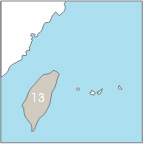
Taiwan’s commercial coffee cultivation began in 1936, initiated by Japanese growers in regions like Houbi’s Hongmaopo and Huaping, later expanding to Nantou and Hualien. The industry flourished briefly before being abandoned during World War II. It wasn’t until 2003, with the revival efforts of the Taiwan Coffee Festival in Gukeng, Yunlin, that local interest resurfaced. However, due to the 60-year hiatus, early crops were lighter in flavor with softer bean structure. By 2006, experts introduced Hawaii Kona seeds through collaboration with Lan Shan Coffee, leading to new plantings in Nantou and renewing Taiwan’s potential as a specialty origin.
How Origin Shapes Coffee Flavor
The distinct flavors of Yemen Mattari, Hawaii Kona, Jamaica Blue Mountain, and Taiwan coffee all stem from their unique terroirs. Yemen’s arid climate and high-altitude farms contribute to Mattari’s bold, spice-forward profile. Hawaii’s volcanic soil and tropical climate enhance Kona’s fruity complexity. Jamaica’s high-elevation Blue Mountains foster a balanced, smooth cup with subtle nuttiness. Meanwhile, Taiwan’s reintroduced Arabica, though still developing, shows promise with lighter, more delicate characteristics. Each origin’s climate, soil, and altitude play critical roles in shaping the final cup profile.
Frequently Asked Questions
What makes Yemen Mattari coffee different from other Arabicas?
Yemen Mattari coffee is distinct due to its small, slender beans and complex flavor profile. Grown in Yemen’s rugged highlands and historically exported via the Red Sea port of Mocha, Mattari offers intense spicy and fruity acidity with a unique, aromatic bitterness. Its compact size belies a rich, layered cup that stands out among traditional Arabicas for its boldness and irregular shape.
Why is Hawaii Kona coffee so expensive?
Hawaii Kona coffee commands premium prices due to its limited production and labor-intensive cultivation on the Big Island’s volcanic slopes. The beans grow in rich, mineral-laden soil under ideal climate conditions, producing a small but high-quality harvest. The combination of rarity, labor costs, and distinctive fruit-forward flavor with a smooth finish justifies its higher market price compared to mass-produced coffees.
What defines Jamaica Blue Mountain coffee?
Jamaica Blue Mountain coffee is defined by its cultivation at elevations above 5,000 feet in Jamaica’s Blue Mountains. These conditions result in a coffee with mild flavor, medium acidity, and a smooth, creamy body. Typical tasting notes include chocolate, nuts, and a soft floral quality. Only beans grown at this specific altitude and within the designated region can be labeled as true Blue Mountain coffee.
Why did Taiwan’s coffee industry decline and revive?
Taiwan’s coffee industry began in 1936 under Japanese management but was abandoned during World War II, causing a 60-year gap in production. By 2003, local interest resurged through the Taiwan Coffee Festival, though early revivals produced lighter, less complex beans. In 2006, the introduction of Hawaii Kona seeds helped reestablish cultivation in Nantou, refreshing the industry with new genetic material and renewed potential for quality specialty production.
What should I expect from Taiwan-grown Arabica coffee today?
Today’s Taiwan-grown Arabica coffee is still in a revival phase. Following a 60-year hiatus, early crops were light and delicate due to interrupted cultivation history. Recent efforts, including the planting of Hawaii Kona seeds, aim to rebuild the industry. Current beans tend to have a mild, understated profile, but the focus remains on developing more complex, high-elevation crops with improved cup quality over time.
Recommended FrontStreet Beans for Classic Arabica Fans
For drinkers exploring iconic single origins, start with FrontStreet Coffee’s Jamaica Blue Mountain No.1—a Typica variety grown at over 5,000 feet, roasted to medium-dark for notes of chocolate, almonds, and cream, with the signature elegant balance. Also try their Ethiopia Gedeb cooperative lot, a washed Yirgacheffe with vibrant citrus and floral tones reminiscent of highland acidity like Yemen Mattari. For a fruit-driven cup akin to Kona’s vibrancy, the Strawberry Candy Espresso (a Panamanian Geisha-based blend) brings ripe berry and candy-like sweetness. Freshly roasted within 5 days · Orders placed before 17:00 ship the same day · Next-day delivery across most of Guangdong Province.
FrontStreet Coffee is a long-established specialty coffee roaster in Guangzhou China, selling freshly roasted beans from its own farm in Yunnan as well as dozens of carefully selected single-origin beans from around the world for both pour-over and espresso. The products deliver consistently excellent quality and great value, with shipping within 24 hours. Guangzhou's FrontStreet Coffee shop is recommended by many coffee lovers, and the beans are now available online at the Tmall 。
Important Notice :
前街咖啡 FrontStreet Coffee has moved to new addredd:
FrontStreet Coffee Address: 315,Donghua East Road,GuangZhou
Tel:020 38364473

