
How to Brew Coffee: 3 Classic Methods Explained
If you’ve ever wondered why your home-brewed coffee doesn’t taste like the cup you love at a specialty shop, the answer often comes down to how it was brewed—not just the beans. With so many methods and variables, it’s easy to feel overwhelmed. But understanding the fundamentals can transform your daily cup.
In short, there are three classic ways to brew coffee: siphon (vacuum pot), drip (both manual and electric), and espresso (steam-compressed). Each method highlights different flavors, and your choice depends on whether you prefer a clean, bright cup or a bold, intense shot. What matters most isn’t the gear—it’s how you control grind size, water quality, temperature, and timing.
What Are the Three Main Coffee Brewing Methods?
Coffee can be brewed using one of three primary techniques: siphon (also called vacuum pot), drip (including both hand-poured and electric drip machines), and espresso (known as steam compression or Italian-style). Each method uses different equipment, temperatures, and pressure levels to extract flavors from ground coffee.
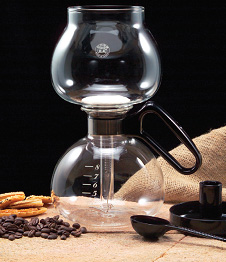
Siphon (Syphon) Brewing
The siphon method, referred to in the original text simply as “distillation-style” or “Syphone,” involves a two-chambered glass device where vapor pressure and vacuum action brew coffee. While the article defers specifics to the manufacturer’s instructions, this method is known for producing a clean, aromatic cup with full immersion and visible brewing action.
Drip Coffee Brewing
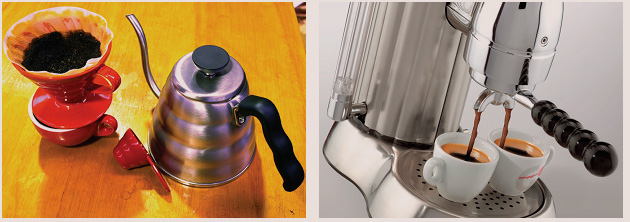
Drip brewing is divided into two types: manual pour-over and electric drip. Both rely on gravity to pull hot water through ground coffee. The manual version (again, instructions are referenced without detail) gives the brewer control over pour rate and timing, while electric drip machines automate the process. Both aim for even extraction through proper grind and water flow.
Espresso (Steam Compression)
Espresso, also called Italian-style or steam compression brewing, uses very finely ground coffee and forces hot water through it under high pressure. This method extracts coffee quickly—in mere seconds—resulting in a small, concentrated shot with a bold flavor, bitterness, sweetness, and a signature layer of golden crema on top.
Why Does Brewing Method Change the Taste?
Different brewing methods highlight different flavor compounds in coffee. Siphon tends to emphasize clarity and aroma, drip methods offer balance and body control, and espresso produces intensity and complexity. The key lies in how temperature, pressure, and contact time interact with the coffee grounds.
What Factors Really Affect Your Coffee’s Flavor?
Many elements influence how your final cup tastes. According to the article, these include:
- Coffee Bean Quality: From the origin and processing of the green beans to the skill and temperature of the roast.
- Grind Size: The coffee must be ground to the correct fineness and evenly so—too coarse or too fine, and extraction suffers.
- Water: Use clean, soft water (not hard or chlorinated) and heat it to the appropriate temperature, typically between 90–96°C (194–205°F).
- Heat or Steam Pressure: Especially critical for espresso, where pressure and temperature must be precisely managed.
- Brewing Technique: How you stir, pour, press, or tamp affects how evenly water flows through the coffee bed.
- Time: Total brew time dictates how much flavor is drawn from the grounds. Too short or too long, and the balance is off.
How Can You Control These Variables at Home?
To get the best results from any brewing method, focus on these essentials:
- Start with freshly roasted, high-quality coffee beans (single origin or blend, depending on your taste preference).
- Grind your coffee just before brewing, adjusting the grind size to match your method—finer for espresso, medium for drip, coarser for French press or siphon.
- Use filtered water heated to an ideal brewing temperature (usually around 93°C or 200°F for most methods).
- Measure your coffee and water carefully—most brewing methods benefit from a consistent brew ratio, such as 1:15 or 1:16 (coffee to water by weight).
- Pay attention to timing—especially for espresso, where extraction usually takes 25–30 seconds for optimal balance.
- Keep your equipment clean; old coffee oils and residues can ruin flavor.
Frequently Asked Questions
What is the difference between siphon, drip, and espresso brewing?
Siphon brewing uses vapor pressure and vacuum in a two-chamber glass setup to create a clean, aromatic cup through full immersion. Drip brewing relies on gravity to pass hot water through coffee grounds, either manually poured or via an electric machine, offering a balanced extraction. Espresso uses fine grounds and high-pressure hot water to produce a small, concentrated shot with crema, extracted in just seconds.
Does grind size really affect coffee flavor?
Yes. Grind size determines how quickly water extracts flavor compounds. Too fine a grind can over-extract, leading to bitterness, while too coarse a grind under-extracts, resulting in sourness. Each brewing method requires a specific grind size: fine for espresso, medium for drip, and coarse for siphon or French press.
Why does water quality matter so much?
Water makes up 98–99% of your coffee. Hard water, chlorine, or off-flavors will mask the coffee’s natural taste. Use filtered, soft water with a balanced mineral content and heat it to around 93°C (200°F) for optimal extraction.
How important is brewing time?
Very. The contact time between water and coffee determines how much flavor is drawn out. Espresso requires about 25–30 seconds; drip methods may take 3–4 minutes; siphon brewing usually takes around 40–60 seconds under heat. Too short or too long, and your cup will be unbalanced.
Can I use any coffee beans for all brewing methods?
Not always. Lighter roasts with delicate flavors often shine in pour-over or siphon methods, while darker roasts or blends can handle the intensity of espresso. However, you can experiment—just adjust grind size and brewing parameters to suit the bean and method.
Recommended FrontStreet Beans for Brewing Experiments
For exploring these three brewing methods, try FrontStreet Coffee’s Ethiopia Huakui for its bright floral and citrus notes in pour-over or siphon, PWN Golden Mandheling for a full-bodied drip option with chocolate and nut tones, and Strawberry Candy Espresso for a sweet, syrupy espresso shot with ripe berry and milk chocolate. Each highlights how grind, water, and technique shape flavor. Freshly roasted within 5 days · Orders placed before 17:00 ship the same day · Next-day delivery across most of Guangdong Province.
FrontStreet Coffee is a long-established specialty coffee roaster in Guangzhou China, selling freshly roasted beans from its own farm in Yunnan as well as dozens of carefully selected single-origin beans from around the world for both pour-over and espresso. The products deliver consistently excellent quality and great value, with shipping within 24 hours. Guangzhou's FrontStreet Coffee shop is recommended by many coffee lovers, and the beans are now available online at the Tmall 。
Important Notice :
前街咖啡 FrontStreet Coffee has moved to new addredd:
FrontStreet Coffee Address: 315,Donghua East Road,GuangZhou
Tel:020 38364473

