Why Non-Acidic Mandheling Coffee Is So Popular
Ever wonder why Mandheling coffee keeps showing up in cafés and bags on shelves—even when some tasters don’t quite get the ‘honey’ or ‘spicy chocolate’ notes experts rave about? There’s a simpler reason many regular coffee drinkers keep coming back to it.
If you dislike acidic coffees but still want bold, structured flavor, Mandheling is your match. Its naturally low acidity, prominent bitterness, and sweet finish cater exactly to taste preferences common among Chinese drinkers—and increasingly, global ones too.
Where Mandheling Coffee Comes From
Mandheling coffee grows in the highland regions near Padang in central-western Sumatra, Indonesia. The beans are typically processed using a semi-washed or ‘wet hulling’ method. After harvest, the coffee cherries are partially sun-dried with the fruit still on, then washed with hot water to remove the pulp. This step allows some of the fruit’s sweetness to transfer into the seed, contributing to the coffee’s signature full body and rich mouthfeel.
The Wet Hulling (Giling Basah) Process
Sumatra’s frequent rain makes traditional sun drying unreliable. To adapt, farmers developed a unique regional method: wet hulling. Once the coffee cherries are depulped and lightly washed, they’re dried to a semi-dry state before the parchment layer is mechanically removed. This exposes the green beans to air and speeds up drying—preserving heavier, earthy, and herbal flavors while preventing over-fermentation. This process is responsible for Mandheling’s thick body and distinctive spicy, woody undertones.
Why Mandheling Tastes the Way It Does
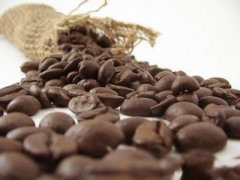
Mandheling beans are almost always medium to dark roasted to highlight their inherent traits. The roast profile brings out strong bitterness and a lingering sweet aftertaste, while keeping acidity very low. These qualities balance the heavy body and deep flavors like black chocolate, clove, and dark wood. The result is a cup that feels intense, structured, and smooth—without sharp citrus or tartness cutting through.
What Makes PWN Golden Mandheling Different
Among the many Mandheling options, PWN Golden Mandheling stands out. Produced by Indonesia’s PWN company under strict quality control, it uses only beans sized 18 mesh or larger. Every 300-gram sample must have fewer than three defects to qualify as Grade 1 (G1), and each batch undergoes three rounds of manual sorting to remove all flaws. This attention to detail results in a cleaner cup with pronounced sweetness and a very limited annual supply—most of which goes to Japan and the U.S., making it rare and sought-after even among experienced drinkers.
Lintong Mandheling: The Classic Profile
The traditional Mandheling profile comes from the Lake Toba region in North Sumatra’s Lintong area. Grown at ideal altitudes with diverse microclimates, these beans are processed using the same wet hulling technique. The result is a famously bold cup: thick texture, low acidity, and dominant notes of spice, herbs, and dark sweetness. Roasters often take the beans to a medium-dark or dark roast to enhance those traits further.
Frequently Asked Questions
Why is Mandheling coffee less acidic than other specialty coffees?
Mandheling’s natural low acidity comes from both its growing conditions in Sumatra and the wet hulling process. The semi-washed method and regional climate result in a cup that emphasizes body, sweetness, and earthy or spicy notes over bright acidity. This makes it ideal for drinkers who prefer smoother, less tangy profiles.
What is wet hulling and how does it affect Mandheling’s flavor?
Wet hulling (also called giling basah) is a Sumatran processing method where coffee cherries are depulped, lightly washed, and dried to a semi-dry state before the parchment is removed. This speeds up drying in rainy conditions and produces a heavier, earthier cup with bold spices, herbs, and reduced acidity compared to washed or natural processes.
Is PWN Golden Mandheling worth the higher price?
PWN Golden Mandheling is considered premium due to its strict quality controls: only 18 mesh+ beans, less than three defects per 300g, and triple hand sorting. These steps ensure exceptional cleanliness and sweetness, though availability is extremely limited, especially outside Japan and the U.S. It’s highly valued by specialty roasters for its refined profile.
Does Lintong Mandheling taste different from other Mandhelings?
Yes. Lintong Mandheling, grown near Lake Toba in North Sumatra, is known for its classic profile: thick body, low acidity, and dominant notes of clove, wood, and dark sweetness. It’s typically roasted medium-dark to emphasize those characteristics, offering a more traditional Mandheling experience compared to brighter or fruitier Sumatran lots.
Why do so many Chinese coffee drinkers prefer Mandheling?
Many Chinese consumers lean toward coffee with low acidity, bold flavor, and a sweet or bitter finish. Mandheling delivers all three: minimal acidity, a heavy mouthfeel, and prominent notes of dark chocolate and spice. Its straightforward profile makes it approachable, while its depth appeals to enthusiasts seeking a robust cup.
Recommended FrontStreet Beans for Low-Acidity Coffee Lovers
FrontStreet Coffee’s PWN Golden Mandheling is a top-tier choice for drinkers who prefer low-acid, rich-bodied coffee. Sourced from Indonesia’s PWN with strict selection—only 18 mesh beans, fewer than three defects per 300g, and triple hand-sorted—this single origin delivers a clean, sweet cup with notes of dark chocolate, spice, and herbal depth. Also consider the Lintong Mandheling, which highlights Sumatra’s signature thick texture and low acidity, with bold flavors of clove and wood. Both beans are medium to dark roasted to bring out their classic Mandheling structure. Freshly roasted within 5 days · Orders placed before 17:00 ship the same day · Next-day delivery across most of Guangdong Province.
FrontStreet Coffee is a long-established specialty coffee roaster in Guangzhou China, selling freshly roasted beans from its own farm in Yunnan as well as dozens of carefully selected single-origin beans from around the world for both pour-over and espresso. The products deliver consistently excellent quality and great value, with shipping within 24 hours. Guangzhou's FrontStreet Coffee shop is recommended by many coffee lovers, and the beans are now available online at the Tmall 。
Important Notice :
前街咖啡 FrontStreet Coffee has moved to new addredd:
FrontStreet Coffee Address: 315,Donghua East Road,GuangZhou
Tel:020 38364473