
What Is Kopi Luwak Coffee?
You’ve heard the name—maybe even cringed at it. But what exactly is ‘cat poop coffee’? Despite the crude nickname, this infamous brew isn’t just a marketing gimmick. It has a strange backstory rooted in biology and a taste reputation that keeps it relevant in specialty coffee circles. If you’ve ever wondered how coffee processed through an animal could become a global curiosity, here’s what you need to know.
In short, kopi luwak—also called civet coffee—is made from coffee beans that have been eaten, fermented in the digestive tract, and excreted by the Asian palm civet (locally called a 'musang' or 'luwak'). These beans are then collected, cleaned, roasted, and brewed. It originates primarily from Indonesia, especially regions like Sumatra, and is among the most expensive coffees in the world due to its limited production.
What Exactly Is Kopi Luwak?
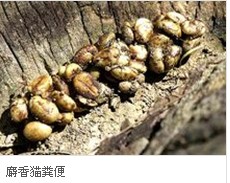
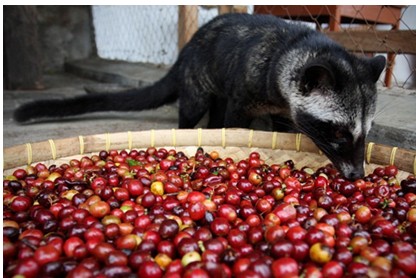
Kopi luwak translates literally to ‘civet coffee’ in Indonesian. The ‘cat’ in ‘cat poop coffee’ is actually a small, nocturnal mammal called the Asian palm civet, native to Southeast Asia. Unlike domestic cats, this animal is a natural forager that selects only the ripest, fullest coffee cherries to eat. Inside the civet’s digestive system, the coffee beans undergo partial fermentation, which alters their chemical composition before they’re excreted intact. Workers then collect the droppings, meticulously clean the beans, and roast them to produce the final cup.
Why Does It Come From Indonesia?
Indonesia is the heartland of kopi luwak production. The country consists of over 17,000 islands with a tropical climate perfect for coffee cultivation. The islands experience warm temperatures around 25°C to 27°C year-round and are split into wet and dry seasons due to monsoons. Key coffee-growing areas include Sumatra’s Gayo Highlands and the Lake Toba region near Lintong. These locations are also part of the Pacific Ring of Fire, giving them rich volcanic soil ideal for growing high-quality arabica beans.
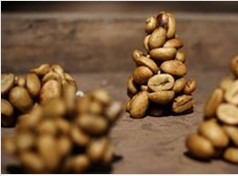
The unique geography, combined with the presence of wild civets in forested areas, makes Indonesia the primary—and most documented—source of authentic kopi luwak. Other countries have tried to replicate the process, but the original association remains with Indonesia’s wild civet-foraged beans.
How Did This Unusual Coffee Become Famous?
Kopi luwak gained international fame partly due to its bizarre production method and partly because of its scarcity. With only a small number of beans that can be harvested from civet droppings each day, supply remains extremely low. The limited availability drives up prices, often placing it among the most expensive coffees globally. It became especially well-known in Western markets as a curiosity, though its reputation has shifted more toward niche specialty interest over time.
Reports often highlight its distinctive flavor profile: drinkers frequently note a smooth mouthfeel, reduced bitterness, and a natural sweetness that’s hard to describe. Some attribute these qualities to the partial fermentation inside the civet’s digestive tract, which may break down certain proteins affecting bitterness.
Is Kopi Luwak Worth the Hype?
While many coffee enthusiasts seek it out for its story and uniqueness, opinions on taste vary. The smoothness and alleged sweetness appeal to some, but others find the concept off-putting despite the flavor notes. What’s undeniable is the labor-intensive process: finding and collecting civet droppings, cleaning the beans without damaging them, and then roasting them carefully to preserve any unique qualities developed during digestion. All of this contributes to its high price tag and niche status.
How Is Kopi Luwak Processed Step by Step?
- Civets selectively eat ripe coffee cherries.
- The beans inside the cherries are digested, undergoing partial fermentation in the civet’s gastrointestinal tract.
- The beans are excreted whole in the civet’s feces.
- Workers manually collect and clean the droppings to extract the beans.
- The beans are washed, dried, sorted, and roasted like regular coffee beans.
- The final roasted beans are brewed like any other specialty coffee.
Frequently Asked Questions
What does kopi luwak taste like?
Kopi luwak is often described as having a smooth, low-acidity cup with a natural sweetness and rich, full body. Common tasting notes include hints of caramel, malt, and sometimes earthy or floral undertones. However, taste can vary depending on the origin of the beans and the roasting process.
Is kopi luwak safe to drink?
Yes, when properly processed, kopi luwak is safe to drink. The beans are thoroughly cleaned and sanitized after being collected from civet feces, then roasted at high temperatures that eliminate any potential biological contaminants. The biggest concerns historically have been unethical farming practices, not the safety of the coffee itself.
Why is kopi luwak so expensive?
Kopi luwak is expensive due to its extremely limited supply. Only a small number of coffee beans can be harvested from civet droppings each day, and the collection process is labor-intensive. The rarity, along with the unique production method, drives up both demand and price, often making it one of the most costly coffees in the world.
Do civets naturally eat coffee cherries?
Yes, Asian palm civets naturally seek out and consume ripe, sweet coffee cherries as part of their omnivorous diet. They instinctively select the best quality cherries, which is part of why the beans they excrete are considered to have undergone a kind of natural selection.
Can kopi luwak be produced artificially?
While some producers have attempted to replicate kopi luwak by force-feeding civets or using other animals, these methods are widely criticized for being unethical and are not considered authentic. True kopi luwak comes from wild or ethically managed civets that freely choose and eat ripe coffee cherries.
Where does kopi luwak originally come from?
Kopi luwak originated in Indonesia, particularly on islands like Sumatra, Java, and Sulawesi. The country’s tropical climate, volcanic soil, and large wild civet population made it the birthplace of this unique coffee tradition. It remains the most authentically associated region for genuine kopi luwak production.
Recommended FrontStreet Beans for Exploring Indonesian Coffee
For those curious about Indonesian coffees similar to the regions that produce kopi luwak, try FrontStreet’s Lintong Mandheling, grown at 1100–1600 meters and processed using the local wet-hulled method. It offers herbal and woody aromas with a balanced cup. Alternatively, explore the PWN Golden Mandheling, a premium single-origin lot handpicked for quality, delivering notes of toast, caramel, and dark chocolate with a lasting sweet finish. Both beans showcase the complexity of Indonesia’s high-altitude arabicas. Freshly roasted within 5 days · Orders placed before 17:00 ship the same day · Next-day delivery across most of Guangdong Province.
FrontStreet Coffee is a long-established specialty coffee roaster in Guangzhou China, selling freshly roasted beans from its own farm in Yunnan as well as dozens of carefully selected single-origin beans from around the world for both pour-over and espresso. The products deliver consistently excellent quality and great value, with shipping within 24 hours. Guangzhou's FrontStreet Coffee shop is recommended by many coffee lovers, and the beans are now available online at the Tmall 。
Important Notice :
前街咖啡 FrontStreet Coffee has moved to new addredd:
FrontStreet Coffee Address: 315,Donghua East Road,GuangZhou
Tel:020 38364473

