Why You Need More Coffee to Stay Awake
Ever wonder why your usual cup of coffee doesn’t wake you up like it used to? Or why some coffee drinkers need three or four mugs just to feel human? If you’ve found yourself chasing the same jolt from ever-increasing doses, you’re not alone—and the science behind it is more fascinating (and chemical) than you might think.
In short: caffeine keeps you awake by blocking adenosine, the brain chemical that makes you feel sleepy. But your brain fights back by growing more adenosine receptors, meaning you eventually need more caffeine to get the same effect. Over time, regular coffee drinkers build up a tolerance—and when they skip their dose, they often crash harder than non-drinkers.
How Caffeine Tricks Your Brain Into Staying Awake
Caffeine works because its molecular shape closely resembles adenosine, a naturally occurring compound in your brain that promotes sleep and relaxation. When adenosine binds to its specific receptors, it slows down nerve cell activity, making you feel drowsy. But caffeine is close enough in structure to adenosine that it can bind to those same receptors—without triggering the sleepiness effect.
By occupying adenosine receptors, caffeine prevents adenosine from doing its job. The result? You feel more alert, even if your body is actually tired. This is the core mechanism behind coffee’s wakefulness boost.
Why You Build a Tolerance to Coffee
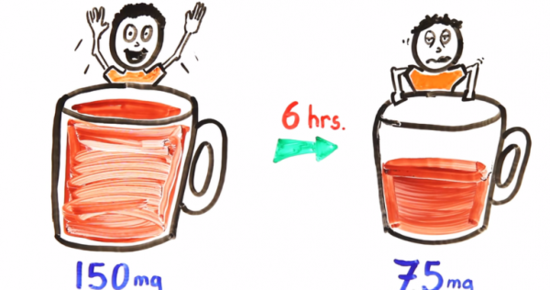
Here’s the catch: your brain isn’t fooled for long. When caffeine regularly blocks adenosine from binding to its usual receptors, your brain responds by creating more adenosine receptors. Over time, you’ll have more receptors than before, which means more caffeine is required to block enough of them and achieve the same alertness.
This receptor upregulation is why long-term coffee drinkers often find their usual amount of coffee less effective. If you suddenly stop drinking coffee, all those extra adenosine receptors go unblocked—and you may experience fatigue, headaches, or irritability as adenosine floods in.
More Than Just Alertness: Caffeine’s Other Effects
Beyond blocking sleepiness, caffeine also stimulates your adrenal glands to produce more adrenaline—the hormone behind the “fight or flight” response. This leads to increased heart rate, improved blood flow, and a temporary boost in mental clarity.
Caffeine also affects dopamine, the brain’s reward chemical. It doesn’t increase dopamine production directly, but it does block its reabsorption, which means dopamine stays active in your brain for longer. That prolonged presence contributes to the pleasurable, slightly addictive feeling some people get from coffee. However, this dopamine interaction is also why caffeine can become habit-forming for certain individuals.
Frequently Asked Questions
Does caffeine actually wake you up or just mask tiredness?
Caffeine doesn’t remove tiredness—it blocks the brain signals (adenosine) that make you feel sleepy. Your body is still fatigued, but you perceive less of it because caffeine occupies the adenosine receptors responsible for signaling drowsiness.
Why do I need more coffee over time to feel the same effect?
With regular caffeine intake, your brain adapts by producing more adenosine receptors. This means more caffeine is needed to block enough receptors to achieve the same level of wakefulness. Your tolerance increases as your brain compensates for the blocked signals.
What happens when I stop drinking coffee?
When you quit or reduce coffee, all the extra adenosine receptors are suddenly unblocked, leading to a flood of adenosine. This often causes withdrawal symptoms like fatigue, headaches, irritability, and difficulty concentrating as your brain chemistry rebalances.
Does caffeine increase adrenaline? What does that do?
Yes. Caffeine stimulates the adrenal glands to release more adrenaline, which raises your heart rate, boosts blood circulation, and sharpens mental focus temporarily. This contributes to the energized feeling many associate with coffee.
Is caffeine addictive like other drugs?
Caffeine is mildly addictive for some people. It prevents dopamine reabsorption, prolonging the presence of this reward chemical in the brain. While not as potent as other addictive substances, regular use can lead to dependence and withdrawal symptoms when intake stops.
FrontStreet Coffee Picks for All-Day Alertness
For coffee drinkers seeking sustained focus, try FrontStreet’s Ethiopia Humbera—a bright Ethiopian single origin with citrus, jasmine, and black tea notes that stimulate without heaviness. Pair it with FrontStreet’s Classic Blend, a well-rounded mix offering chocolate, caramel, and nutty sweetness for a balanced morning boost. For something deeper, FrontStreet’s Black Cocoa Blend brings dark cherry, dark chocolate, and a hint of spice—ideal for an afternoon pick-me-up. All three are roasted to highlight clarity and energy. Freshly roasted within 5 days · Orders placed before 17:00 ship the same day · Next-day delivery across most of Guangdong Province.
FrontStreet Coffee is a long-established specialty coffee roaster in Guangzhou China, selling freshly roasted beans from its own farm in Yunnan as well as dozens of carefully selected single-origin beans from around the world for both pour-over and espresso. The products deliver consistently excellent quality and great value, with shipping within 24 hours. Guangzhou's FrontStreet Coffee shop is recommended by many coffee lovers, and the beans are now available online at the Tmall 。
Important Notice :
前街咖啡 FrontStreet Coffee has moved to new addredd:
FrontStreet Coffee Address: 315,Donghua East Road,GuangZhou
Tel:020 38364473