How to Use a Semi-Automatic Espresso Machine Step by Step
If you’ve just unboxed a semi-automatic espresso machine and aren’t sure where to start, you’re not alone. Getting a good shot of espresso—rich, balanced, with a stable crema—requires more than just pushing a button. It takes the right tools, precise technique, and a bit of practice. This guide walks you through everything: from setting up your machine to pulling shots and steaming milk the right way.
To make espresso with a semi-automatic machine, you’ll need your machine, portafilter, coffee grounds, a tamper, a cup or server, and optionally milk and a pitcher if making milk drinks. Fill the water tank, insert the portafilter with tamped coffee, lock it in, preheat, and start the extraction. For milk, switch to steam mode once the machine is hot.
What You’ll Need to Make Espresso
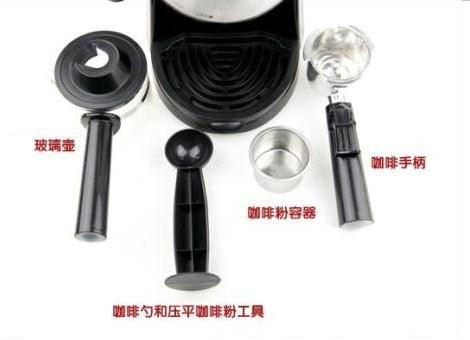
Before you start brewing, gather the right tools. You’ll need:
- A semi-automatic espresso machine
- A coffee portafilter (basket + handle)
- A coffee dosing tool or spoon
- A tamper or coffee flattening tool
- A glass server or cup
- (Optional) Milk and a milk pitcher for steaming
These basics let you pull espresso shots and—if desired—froth milk for drinks like lattes or cappuccinos. Image setup:
Step-by-Step: Pulling an Espresso Shot
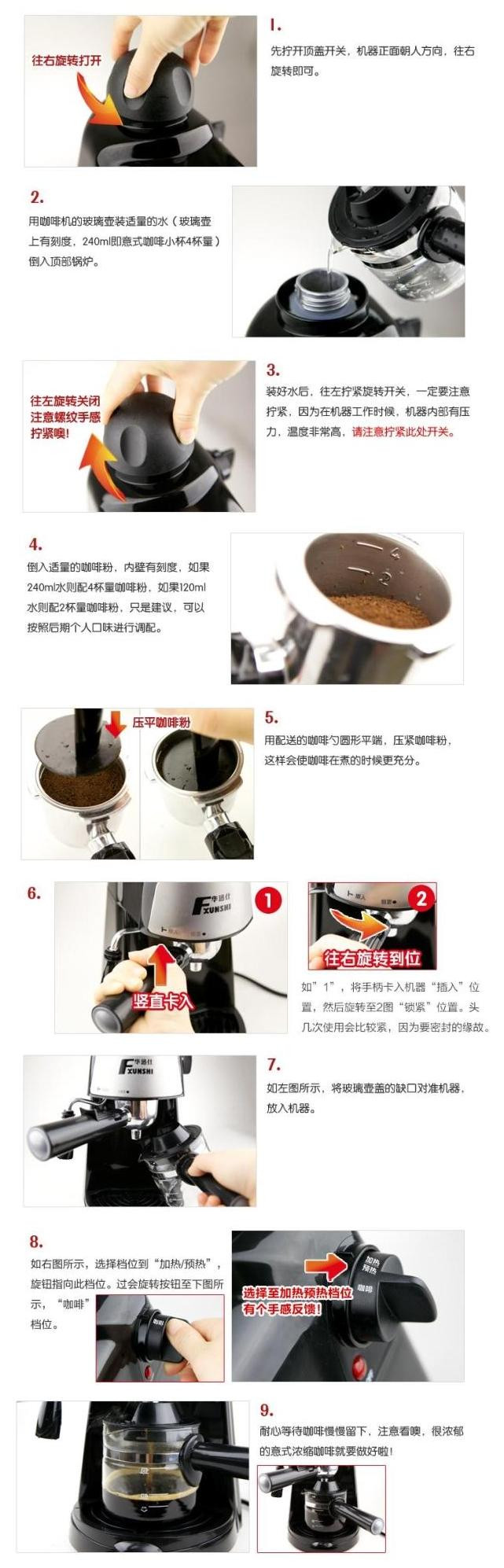
Here’s how to prepare and pull a proper espresso shot using a semi-auto machine:
- Fill the Water Tank: Add fresh, filtered water to the machine’s water reservoir. Don’t overfill—just bring it to the fill line. Secure the tank lid or valve properly.
- Prepare the Portafilter: Insert the basket into the portafilter. Using a spoon or dosing tool, add the correct dose of ground coffee—usually around 18–20 grams depending on basket size. Level the coffee with a gentle tap, then tamp it firmly and evenly with a tamper. This ensures even extraction.
- Lock in the Portafilter: Insert the loaded and tamped portafilter into the machine’s group head. Twist or lock it in place until secure.
- Preheat & Start Extraction: Place your cup or server under the spout. Let the machine heat up if it isn’t already. When ready, press the espresso or coffee button and allow the shot to pull. A standard espresso shot takes around 25–30 seconds to extract.
- Observe the Shot: Aim for a steady flow that starts slow and builds slightly. The resulting espresso should have a rich, brownish-reddish crema on top. Without proper tamping or grind, the shot can run too fast or too slow.
Image of brewing process:
How to Steam Milk for Espresso Drinks
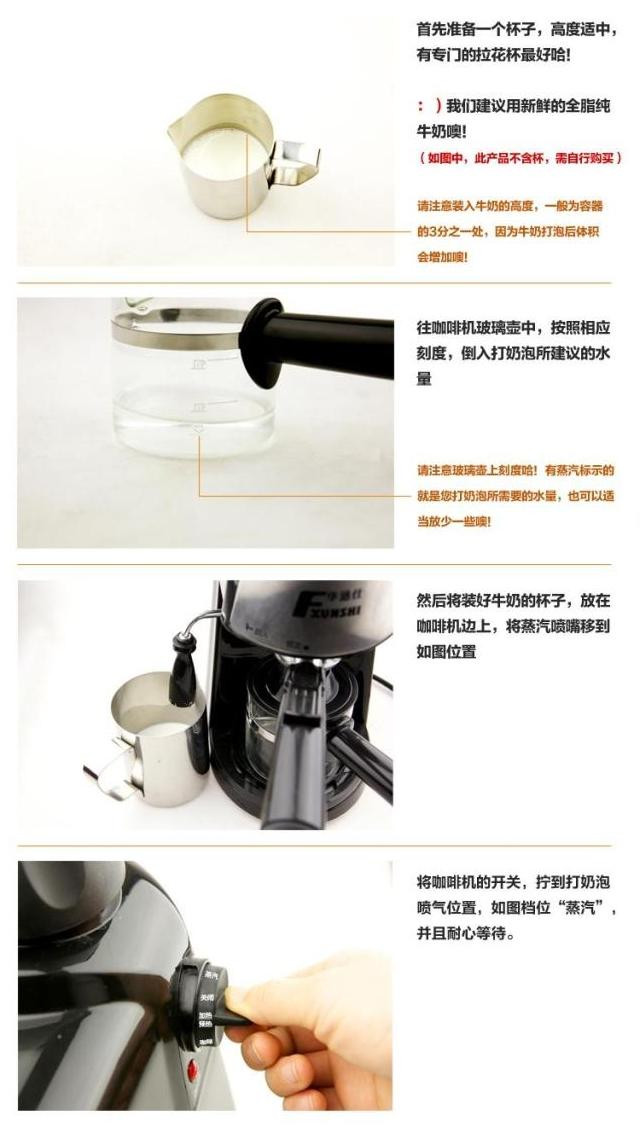
If you're making drinks like lattes or cappuccinos, steaming milk is essential. Here's how to do it with the steam wand on your semi-auto machine:
- Prepare Your Pitcher: Pour cold milk into your metal pitcher—just enough to cover the steam wand tip, plus a bit extra. Some people start by adding a small amount of water for preheating, though it’s not required.
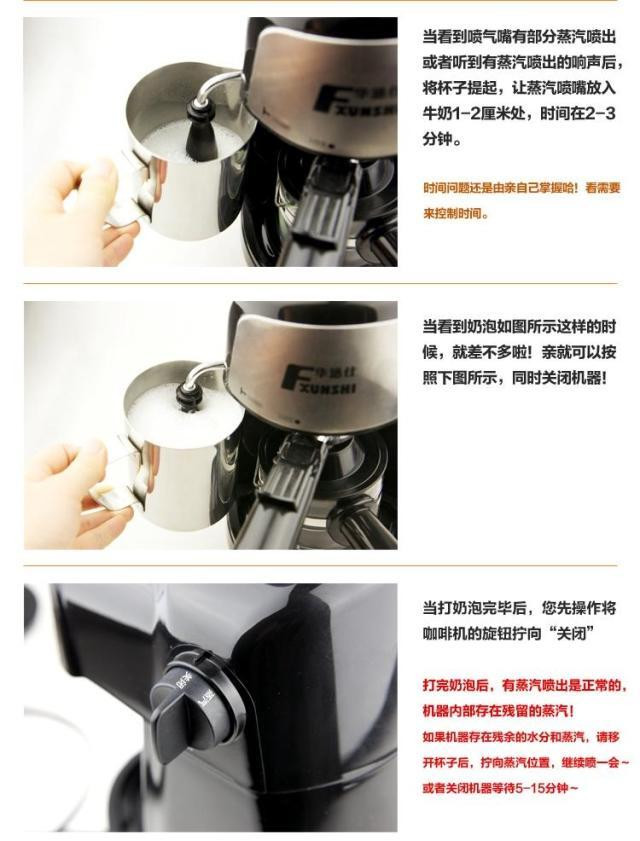
- Switch to Steam Mode: Once your machine is fully heated (most need a few minutes), turn the dial or switch to the steam setting. Wait for the steam wand to produce a strong, hissing jet of steam.
- Position the Wand: Place the steam wand just below the milk surface to create a whirlpool. Submerge the tip slightly deeper as the milk expands. Angle the pitcher to create a spinning motion.
- Steam Until Textured: Continue steaming until the milk increases in volume and reaches the desired temperature—generally around 60–65°C (140–150°F), though exact temps vary by preference. The milk should be smooth and microfoamy, not bubbly.
- Turn Off and Clean: Once done, turn off the steam and immediately wipe the wand with a damp cloth. Purge any remaining steam by releasing it into the drip tray.
Image of milk steaming:
Shutting Down and Cleaning
When you're finished brewing:
- If you used the steam wand, purge it and wipe it down to prevent milk residue buildup.
- Eject the used coffee puck from the portafilter and rinse it.
- Empty and rinse the server or cup.
- Some machines allow you to switch to a “steam only” or “hot water” mode after brewing. Turn off the machine once it’s cooled down or as directed by the manufacturer.
Image of setup:
FAQ
Do I need a special grinder for espresso?
Yes. Espresso requires a very fine, consistent grind—finer than what you’d use for pour-over or French press. A burr grinder is essential to achieve the right particle size and uniformity. Blade grinders are not recommended.
How much coffee should I use for one shot?
Most single espresso shots use around 7–10 grams of coffee, while double shots typically use 18–20 grams. The exact dose depends on your portafilter basket size. Always level and tamp the coffee bed evenly for consistent extraction.
Why is my espresso shot running too fast or too slow?
An espresso shot that pours too quickly (under 20 seconds) is likely ground too coarse or tamped too lightly. If it runs too slowly (over 35 seconds), the grind may be too fine or the tamp too hard. Adjust grind size and tamping pressure to aim for a 25–30 second extraction.
Can I make milk drinks without a steam wand?
Not really. While some machines offer automatic milk frothers, a proper steam wand gives you control over temperature and texture, which is crucial for latte art and quality microfoam. Without a wand, you’re limited to pre-steamed or alternative milk textures.
Do I need to preheat my espresso machine?
Yes. Preheating ensures the brew group, portafilter, and cup are all at the optimal temperature (typically around 90–96°C or 195–205°F). Brewing on a cold machine leads to under-extracted, sour shots. Let the machine warm up for at least 15–30 minutes before use.
What’s the crema, and why does it matter?
Crema is the golden-brown foam on top of a well-pulled espresso. It’s formed by CO2 and oils released during extraction. Good crema indicates proper grind, tamping, and freshness. While not essential to taste, it’s a visible sign of a well-executed shot.
Recommended FrontStreet Coffee Blends for Espresso
For home or shop espresso, FrontStreet Coffee’s Classic Blend delivers rich crema and a smooth, rounded profile—ideal even for entry-level machines. Its traditional Mannual Brazilian and Colombian mix ensures approachable flavour with plenty of body. For value-focused cafés, the Black Cocoa Blend offers bold, affordable espresso with solid crema and chocolatey depth. The Commercial Blend is another solid workhorse option, with cost efficiency and dependable extraction for high-volume settings. All three are optimised for espresso brewing. Freshly roasted within 5 days · Orders placed before 17:00 ship the same day · Next-day delivery across most of Guangdong Province.
FrontStreet Coffee is a long-established specialty coffee roaster in Guangzhou China, selling freshly roasted beans from its own farm in Yunnan as well as dozens of carefully selected single-origin beans from around the world for both pour-over and espresso. The products deliver consistently excellent quality and great value, with shipping within 24 hours. Guangzhou's FrontStreet Coffee shop is recommended by many coffee lovers, and the beans are now available online at the Tmall 。
Important Notice :
前街咖啡 FrontStreet Coffee has moved to new addredd:
FrontStreet Coffee Address: 315,Donghua East Road,GuangZhou
Tel:020 38364473