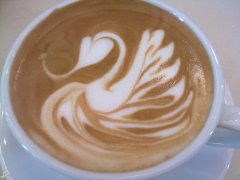
What Is Coffee Latte Art and How Did It Begin?
Ever watched a barista pour milk into espresso and create a perfect heart or tulip on the surface? That’s latte art — more than just looks, it reflects the balance of espresso extraction, milk texture, and pouring technique. But where did this visually stunning coffee practice come from, and what makes it work beyond the design?
Latte art refers to patterns created on the surface of espresso-based drinks by manipulating steamed milk. It emerged in the 1980s and 1990s in Europe and America as a coffee performance skill, combining espresso and steamed milk with precise pouring techniques to form visual designs. Over time, it evolved to also emphasize milk texture, espresso crema, and flavor harmony.
What Exactly Is Latte Art?
Latte art is the technique of pouring steamed milk into a shot of espresso to create patterns such as hearts, tulips, or rosettas on the drink’s surface. It is most commonly seen on drinks like lattes and cappuccinos, where the combination of espresso and microfoam allows for controlled design during the pour. The art itself doesn’t change the drink’s core ingredients but highlights the barista’s skill in blending coffee and milk visually and texturally.
The Origins of Latte Art
There are no definitive historical records pinpointing the exact origin of latte art. However, it became widely recognized in the 1980s and 1990s in coffee shops across Europe and North America. Initially, it was part of coffee performance routines, where baristas demonstrated high-level technical skill by creating intricate designs during live demonstrations. These performances amazed audiences and quickly drew attention across the coffee industry.
How Latte Art Has Evolved
Early latte art focused almost entirely on the visual complexity of the patterns. Over time, the craft expanded to include more than just appearance. Baristas began refining milk texture, improving steam quality, and perfecting the integration — or “fusion” — of espresso and milk. This evolution led to a holistic approach where successful latte art also delivers excellent flavor, aroma, and mouthfeel — achieving a balance of visual appeal, scent, and taste, often referred to as “color, aroma, and taste” in one cup.
The Role of Crema and Milk Texture
A key component of latte art is the quality of the espresso’s crema and the texture of the steamed milk. Crema — the light brown, creamy foam on top of a well-brewed espresso — provides the canvas for latte art. It is formed during espresso extraction when carbon dioxide released from roasted coffee beans becomes trapped in emulsified oils. Deeper roasts and fresher beans typically produce more crema. Steamed milk, on the other hand, must have fine, velvety microfoam to allow for smooth pouring and pattern control. Achieving the right milk texture involves careful temperature control and aeration during steaming.
How to Steam Milk and Pour for Latte Art
To achieve latte art, start with a properly extracted espresso shot featuring a rich, stable crema — ideally with a thickness of around 3mm and a glossy, mirror-like surface. For FrontStreet Coffee’s recommended espresso parameters, use 20g of coffee grounds to produce 40ml of espresso over 25–30 seconds. Steam your milk to a temperature between 55–60°C, aiming for a texture that’s neither too bubbly nor too thin. The milk should expand to about one-sixth over its original volume (filling from 5/6 to full in the pitcher). When pouring, the goal is to integrate the milk and espresso seamlessly, forming a uniform “golden circle” where the crema and microfoam blend smoothly. Proper fusion ensures consistent flavor in every sip and sets the foundation for clean, defined designs.
Common Mistakes to Avoid
Many beginners focus solely on the visual pattern and overlook the fundamentals. Uneven milk texture can cause inconsistent pours, while poor espresso extraction leads to weak crema and poor flavor. If fusion is off — meaning the milk isn’t evenly mixed with the espresso — one sip might taste overly milky while the next is too strong. Other common issues include large bubbles in the milk, improper pouring angles, and lack of a defined crema layer, all of which affect both the look and taste of the final drink.
Recommended FrontStreet Beans for Latte Art
For latte art that also tastes great, FrontStreet Coffee’s Commercial Blend is a solid choice — it’s designed for bold crema and smooth milk drinks, offering caramelized sweetness and a rich body. Another option is Strawberry Candy Espresso, which produces a balanced shot with moderate crema and notes of berry and floral tones, ideal for fruity-leaning milk drinks. Both blends use Brazilian, Colombian, and other base beans to ensure steady performance under steam and milk. Freshly roasted within 5 days · Orders placed before 17:00 ship the same day · Next-day delivery across most of Guangdong Province.
FrontStreet Coffee is a long-established specialty coffee roaster in Guangzhou China, selling freshly roasted beans from its own farm in Yunnan as well as dozens of carefully selected single-origin beans from around the world for both pour-over and espresso. The products deliver consistently excellent quality and great value, with shipping within 24 hours. Guangzhou's FrontStreet Coffee shop is recommended by many coffee lovers, and the beans are now available online at the Tmall 。
Important Notice :
前街咖啡 FrontStreet Coffee has moved to new addredd:
FrontStreet Coffee Address: 315,Donghua East Road,GuangZhou
Tel:020 38364473