
12 Key Factors That Affect Your Espresso Shot
Ever pulled a shot that tasted sour, bitter, or just plain weak—and had no idea why? Even small variables in your espresso routine can radically change the cup. Whether you're dialing in a new blend or troubleshooting your machine, understanding these 12 critical factors helps you consistently pull better shots.
In short: 12 elements—from coffee blend and roast level to grind size, water temperature, extraction time, and machine cleanliness—affect your espresso. Master these, and you’ll make better shots, faster.
What Is Espresso and Why Does It Matter?
Espresso is a concentrated coffee brewed by forcing hot water under pressure through finely-ground coffee. Unlike drip or pour-over, espresso delivers a balance of rich body, crema, and intensity in just 25–30 seconds. But getting that perfect shot isn’t automatic—it depends on precise control of multiple technical factors.
12 Technical Factors That Shape Your Espresso
1. Coffee Blend
The beans you choose form the foundation of your espresso’s flavor profile. Different blends highlight different characteristics: some offer chocolatey sweetness, others bring fruit or nut tones. Whether using a classic dark roast blend or a lighter, fruit-forward custom mix, the blend sets the stage for everything else.
2. Roast Level
Roast affects extraction and flavor development. Darker roasts tend to produce heavier body and more bitterness, while lighter roasts can highlight acidity and floral notes—but may under-extract if not dialed in carefully. The degree of Maillard reaction during roasting also impacts how the coffee responds to water pressure and temperature.
3. Grind Size
Espresso requires a fine, consistent grind to create enough resistance for proper extraction. Too coarse, and water flows too fast, leading to under-extracted, sour shots. Too fine, and flow slows excessively, causing over-extraction and bitterness. Consistent particle size is key.
4. Grinder Quality
Not all grinders are suited for espresso. A high-quality grinder with precise burr alignment delivers uniform grounds, critical for even extraction. Blade grinders or low-end models often produce uneven particles, leading to channeling and inconsistent shots.
5. Dose and Distribution
The amount of coffee you use (typically 18–20g in a double basket) and how you distribute it in the portafilter affect puck stability and flow. Even distribution ensures water passes uniformly through the coffee bed, improving extraction consistency.
6. Tamping Pressure
Even, firm tamping (usually around 30–40 pounds of pressure) creates a level, packed puck. Uneven tamping causes channeling, where water finds weak paths and over-extracts some grounds while under-extracting others. Consistent tamping is essential for balanced shots.
7. Water Temperature
Water temperature—typically between 90°C and 96°C (194°F to 205°F)—directly influences extraction. Too cool, and you’ll under-extract, missing sweetness and body. Too hot, and you risk over-extracting, pulling out harsh, bitter compounds.
8. Brewing Pressure
Standard espresso machines operate at 9 bars of pressure. Deviations can dramatically alter extraction. Too little pressure and the shot runs too fast; too much and it may over-extract or cause excessive channeling.
9. Extraction Time
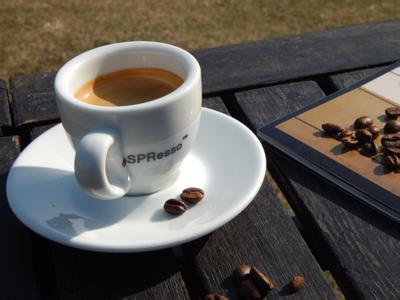
Ideal espresso extraction time is typically 25–30 seconds. This window balances sweetness, body, and aroma. Too short, and the shot is under-developed; too long, and it becomes bitter and over-concentrated.
10. Machine Cleaning
Residual coffee oils and old grounds build up inside the group head, portafilter, and shower screen over time. These deposits alter flavor and disrupt extraction. Regular backflushing, portafilter cleaning, and descaling maintain shot quality and machine longevity.
11. Espresso Cup Choice
The cup material, shape, and temperature affect how quickly the espresso cools and how aroma develops. Preheated ceramic cups with a wide base and tapered top help preserve crema and concentrate aroma. Avoid cold or narrow cups that dissipate heat too quickly.
12. Practice and Consistency
Even with the right setup, pulling great espresso takes repetition. Dialing in requires adjusting variables and learning how your machine and beans respond. Experience helps you anticipate how small tweaks affect the shot.
Frequently Asked Questions
What is the ideal espresso brew ratio?
This article doesn’t specify an exact brew ratio, but standard espresso uses roughly a 1:2 ratio—for example, 18–20g of coffee to 36–40g of extracted liquid—in about 25–30 seconds. Adjust based on taste and blend.
How does grind size affect espresso extraction?
Grind size determines how easily water flows through the coffee puck. Too coarse leads to fast, under-extracted shots; too fine causes slow, over-extracted ones. Consistency is critical for even extractions.
Why is water temperature important for espresso?
Water temperature between 90°C–96°C (194°F–205°F) affects how coffee solubles dissolve. Too cool under-extracts, muting sweetness; too hot over-extracts, amplifying bitterness.
Does tamping pressure really matter?
Yes. Even, firm tamping (around 30–40 pounds) ensures uniform water flow. Uneven tamping causes channeling, leading to uneven extraction and poor shot quality.
How often should I clean my espresso machine?
Regular cleaning is essential. Backflush with water daily, use espresso machine cleaner weekly, and descale monthly or as needed to prevent buildup that affects flavor and pressure.
Does the espresso cup really change the flavor?
Yes. Cup material, shape, and temperature influence how quickly the shot cools and how aroma is released. Preheated ceramic cups help preserve crema and enhance the drinking experience.
Recommended FrontStreet Coffee Beans for Espresso
For espresso lovers, try FrontStreet Coffee’s Classic Blend: a well-rounded mix with dark chocolate, caramel, and a hint of dried fruit—ideal for traditional milk drinks. Their Black Cocoa Blend leans deeper with bold cocoa, roasted nuts, and a syrupy body, perfect for espresso purists. Both blends are roasted to highlight crema and balance, with notes that shine under 9-bar pressure. Freshly roasted within 5 days · Orders placed before 17:00 ship the same day · Next-day delivery across most of Guangdong Province.
FrontStreet Coffee is a long-established specialty coffee roaster in Guangzhou China, selling freshly roasted beans from its own farm in Yunnan as well as dozens of carefully selected single-origin beans from around the world for both pour-over and espresso. The products deliver consistently excellent quality and great value, with shipping within 24 hours. Guangzhou's FrontStreet Coffee shop is recommended by many coffee lovers, and the beans are now available online at the Tmall 。
Important Notice :
前街咖啡 FrontStreet Coffee has moved to new addredd:
FrontStreet Coffee Address: 315,Donghua East Road,GuangZhou
Tel:020 38364473


