Does deep-roasted coffee have more caffeine than lightly roasted coffee? What degree of roasting coffee beans have the least caffeine?
Qianjie found that many friends have this understanding of deep-roasted coffee, which is: "Deep-roasted coffee is so bitter to drink, its caffeine content will definitely be higher than lightly roasted coffee! "
Qianjie interviewed many friends. The reason why they think this is because caffeine itself is a bitter substance. Since deep-roasted coffee tastes so bitter, it must have more caffeine. So is this really the case?
If deep-roasted coffee is so bitter, will its caffeine content be higher? To be reasonable, we can say that this is a wrong understanding, which involves many reasons. Although deep-roasted coffee tastes more bitter, its caffeine content may not be higher than lightly roasted coffee, but may be similar or even lower. Then Qianjie starts with the taste.
"The taste of a cup of coffee is mainly determined by the ingredients in the coffee." This is true, but not all the bitterness of coffee comes from caffeine. Not only that, the bitterness of caffeine does not account for a large proportion of coffee bitterness, only 10% to 30%, and most of the rest comes from bitter substances decomposed or generated by coffee beans during the roasting process.
During the roasting process, coffee will undergo Maillard and caramelization reactions in the oven. Many substances in the coffee beans will decompose during this process and produce bitter substances, such as caramel, smoked and other charred flavors. and bitter compounds. The deeper the roast is and the more reactions proceed, the more bitter and bitter compounds are produced and the more bitter the coffee will taste. Caffeine is an alkaloid that is resistant to high temperatures. Under more traditional roasting, caffeine will not decompose or volatilize. Therefore, no matter whether a coffee bean is roasted deeply or lightly, the caffeine in its body will not change much. But if you roast it very deeply, the caffeine content of the coffee beans may even decrease.
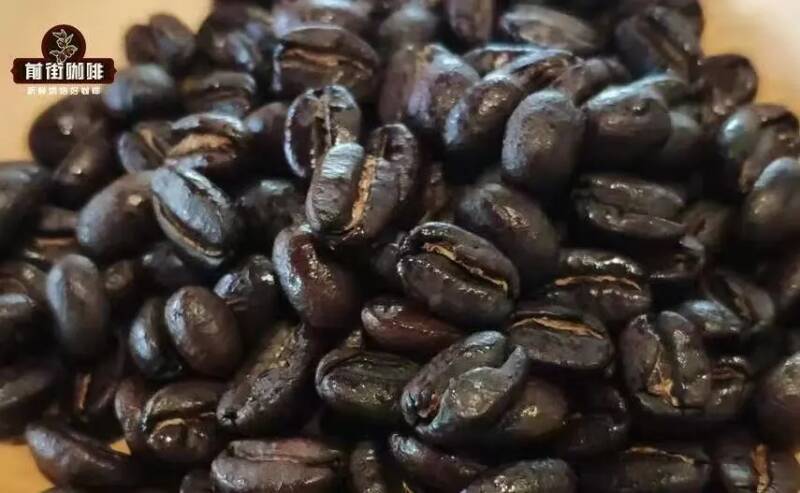
We can see this in a report by the Association for Science and Information on Coffee. They measured Arabica coffee beans with different degrees of roasting, including a lightly roasted coffee bean, a moderately roasted coffee bean and a deeply roasted coffee bean, and the obtained caffeine to bean weight ratios were 1.37%, 1.31%, 1.31%, respectively. As you can see, light roasted coffee beans tend to have higher caffeine content than dark roasted coffee beans, albeit only 0.06%.
The real reason for determining the caffeine content of coffee beans has always been shared in the front street, mainly the variety of coffee beans. Robusta, for example, has twice as much caffeine as Arabica, and naturally decaffeinated varieties have less than half as much caffeine as regular Arabica varieties. To sum up, we can know that the caffeine content of coffee beans will not increase due to the deepening of roasting degree. The reason why deep-roasted coffee tastes bitter is mainly due to the influence of other substances produced in the roasting process, and there is not much correlation with caffeine.
However, if you remove the taste correlation and change the question to "Will deep-roasted coffee have higher caffeine content than lightly roasted coffee?", the answer will not be certain. Because the former means that the caffeine content of coffee beans will increase after roasting, while the latter simply asks about the total amount of caffeine brewed, the answer will be different. The reason why the answer to this latter question is not certain is because of the two characteristics of deep-roasted coffee beans.
Coffee beans will continue to lose water during the roasting process. There is a technical term for this situation in the baking circle called "weightlessness." The deeper the coffee bean is roasted, the higher its weight loss rate will be, the less water there is in the body, the lighter the weight will be when weighed. If you also use weighing to measure the coffee beans we need to brew, then if the degree of roasting varies greatly, taking 15g as an example, the number of deep-baked beans may be more than that of lightly baked beans.
But that is to say, with the same variety. The real situation that causes the caffeine content of deep-roasted coffee to be higher than that of lightly roasted coffee is extraction. As we all know, under traditional roasting, the volume of coffee beans will continue to expand as the degree of roasting increases, which will gradually loosen the structure of the coffee beans and make the substances in the body easier to be extracted. The deeper the roast is, the looser the coffee beans are and the easier the soluble matter is to be extracted, so this is why the brewing of deep-roasted coffee is often prone to rollover. Among these soluble substances is caffeine.
If the extraction efficiency we use is relatively high, then if the coffee bean varieties are the same (the differences are not comparable), the final deep-roasted coffee may have higher caffeine content than lightly roasted coffee. This is the main reason why deep-roasted coffee may have higher caffeine content than lightly roasted coffee. Then if people want to drink deep-roasted coffee but are afraid of consuming too much caffeine, Qianjie will recommend people to choose decaffeinated coffee. The decaf coffee in the Front Street flagship store uses Swiss water treatment. This treatment method can remove a large amount of caffeine from the coffee beans without excessively affecting the flavor of the coffee beans.
In addition, in order to ensure that everyone can drink the mellow and rich coffee flavor, Qianjie specially chose a deep-roasted curve to cook this decaf coffee. The coffee made with it not only has the aroma of traditional deep-roasted coffee such as chocolate, nuts, and caramel, but also does not contain excessive caffeine that makes people unable to sleep. It is very suitable for making hand-brewed coffee and Italian coffee for friends who are intolerant of caffeine.
- END -
FrontStreet Coffee is a long-established specialty coffee roaster in Guangzhou China, selling freshly roasted beans from its own farm in Yunnan as well as dozens of carefully selected single-origin beans from around the world for both pour-over and espresso. The products deliver consistently excellent quality and great value, with shipping within 24 hours. Guangzhou's FrontStreet Coffee shop is recommended by many coffee lovers, and the beans are now available online at the Tmall 。
Important Notice :
前街咖啡 FrontStreet Coffee has moved to new addredd:
FrontStreet Coffee Address: 315,Donghua East Road,GuangZhou
Tel:020 38364473