How to Froth Milk for Coffee Art
If you’ve ever watched a barista pour a velvety leaf or heart into a cappuccino and wondered how they got the milk so smooth and the foam so perfect, you’re not alone. The secret isn’t just skill — it’s all in how the milk is textured, steamed, and mixed. Getting that microfoam right is what turns a simple coffee into a canvas.
To make great milk foam for coffee art, use whole milk chilled to 3–5°C, steam it to around 65°C, and texture it with the right steam pressure and motion until it’s silky with tiny, stable bubbles. Here’s exactly how to do it step by step.
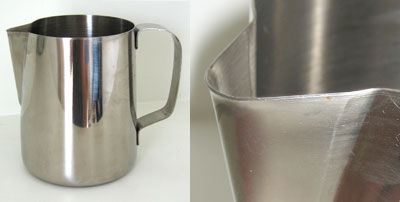
Choose the Right Pitcher for Latte Art
The shape of your milk pitcher — especially the spout — affects the kind of designs you can pour. There’s no one-size-fits-all, but certain shapes lend themselves to specific patterns.
- Round spouts work best for hearts, tulips, and rounded designs.
- Pointed or narrow spouts are ideal for leaves, tiers, and etched patterns.
Selecting the right pitcher helps you control flow and angle — essential for clean, consistent latte art.
Why Milk Choice Matters for Foam
Not all milks foam the same. For the best results, always use full-fat (whole) milk, and chill it to between 3°C and 5°C before steaming. Cold milk holds more air and creates denser, longer-lasting microfoam — the foundation of smooth latte art.
Whole milk’s higher fat content also helps integrate the foam into the liquid for a creamy mouthfeel. Avoid skim or overly warm milk, as they either don’t hold structure or become too thin.
How to Steam Milk with a Coffee Machine Wand
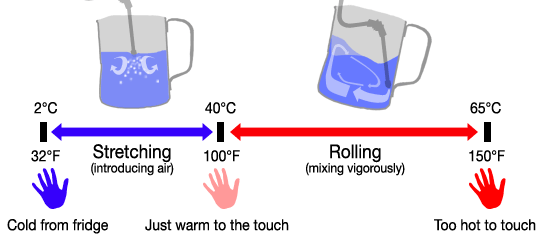
Steaming milk for coffee art isn’t just about heat — it’s a controlled process of introducing air, stretching the milk, and smoothing the foam. Here’s the exact sequence used by professionals:
- Purge the steam wand first to remove condensation and ensure you’re working with dry steam.
- Submerge the wand just below the milk surface in your chilled pitcher.
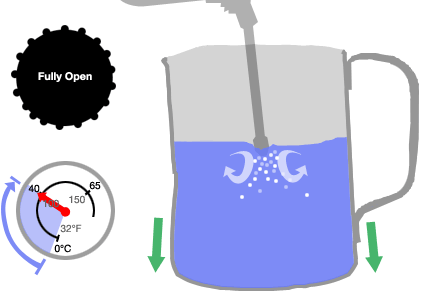
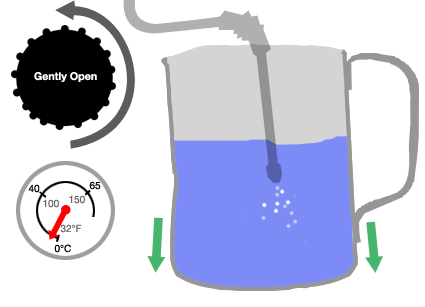
- Turn on the steam and position the wand near the surface to inject air (listen for a hissing sound — that’s the air going in).
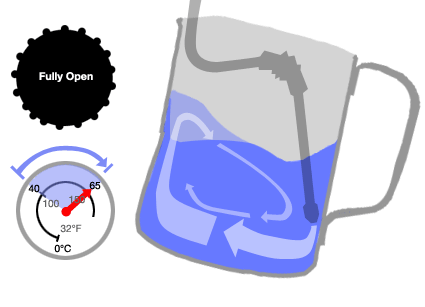
- Once the milk begins to expand, lower the wand deeper to create a whirlpool and stretch the milk without adding more air.
- Adjust the angle and position to develop a smooth, microfoam texture — aim for a vortex that smoothes out large bubbles.
- Stop steaming when the milk reaches approximately 65°C. Overheating ruins texture.
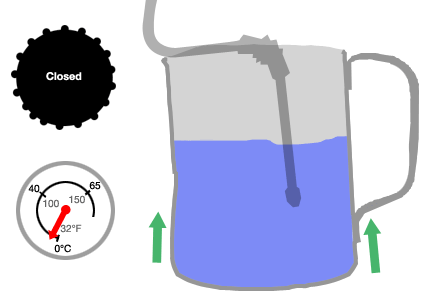
- Purge the steam wand immediately after use to prevent milk residue build-up and blockages.
This process creates a velvety microfoam with the right balance of air and liquid — essential for pouring latte art. Use
How to Handle the Foam Before Pouring
After steaming, your milk will have a layer of larger bubbles on top. Don’t pour it just yet.
- Tap the pitcher gently on the counter to break up big bubbles — this shakes down the foam.
- Swirl the pitcher in a circular motion to fully integrate the foam with the steamed milk, creating a uniform texture.
This step ensures that when you pour, you’re working with smooth, consistent microfoam that won’t separate or create rough textures in your design.
Steam Wand Nozzle Design and Hole Count
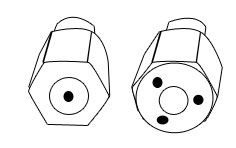
The number and angle of holes in your steam wand nozzle directly affect how air is incorporated and how well a vortex forms. More holes or the wrong angle can make steaming uneven or uncontrollable.
For best results, use a steam wand with 3 or 4 holes. These provide balanced airflow and help you create a controlled whirlpool for smooth, even foam development.
Frequently Asked Questions
What’s the best milk temperature for latte art foam?
The ideal temperature for steamed milk in latte art is around 65°C. Going over risks scorching the milk and destroying texture; going under means insufficient heat and poor microfoam structure. Use your hand to feel the pitcher — when it’s too hot to touch comfortably, it’s close to 65°C.
Can I use skim or plant-based milk for latte art?
You can, but they behave differently. Skim milk foams more easily but lacks creaminess. Plant milks often require specific techniques or barista versions to foam properly. For traditional, consistent microfoam, whole milk is best — especially when chilled to 3–5°C.
Do I really need to purge the steam wand before and after steaming?
Yes. Purging removes condensed water from the wand so you start with dry steam, which is critical for proper milk texturing. Purging afterward prevents milk residue from baking onto the wand and clogging the holes.
What’s the difference between stretching and frothing milk?
Stretching refers to introducing air into cold milk to create foam — done early in the steaming process by positioning the wand near the milk surface. Frothing is the later stage where you smooth and mix the foam into the milk by creating a whirlpool below the surface.
Does the pitcher spout shape really affect latte art?
Absolutely. Round spouts let you pour smoother, rounded designs like hearts and tulips. Pointed spouts give you better control for detailed patterns like leaves or etching. Your choice of pitcher affects how precisely you can control flow and angle during pouring.
Recommended FrontStreet Beans for Milk-Based Drinks
For the best latte and cappuccino experiences, try FrontStreet Coffee’s Ethiopia Humbera — bright and juicy with blueberry and citrus notes, balancing beautifully with milk. Their Classic Blend offers a smooth, chocolatey base with soft nuttiness, ideal for traditional milk drinks. For something deeper, the Black Cocoa Blend brings cocoa and caramel tones that pair richly with steamed milk. All three roast profiles are optimized for milk texture and flavor harmony. Freshly roasted within 5 days · Orders placed before 17:00 ship the same day · Next-day delivery across most of Guangdong Province.
FrontStreet Coffee is a long-established specialty coffee roaster in Guangzhou China, selling freshly roasted beans from its own farm in Yunnan as well as dozens of carefully selected single-origin beans from around the world for both pour-over and espresso. The products deliver consistently excellent quality and great value, with shipping within 24 hours. Guangzhou's FrontStreet Coffee shop is recommended by many coffee lovers, and the beans are now available online at the Tmall 。
Important Notice :
前街咖啡 FrontStreet Coffee has moved to new addredd:
FrontStreet Coffee Address: 315,Donghua East Road,GuangZhou
Tel:020 38364473