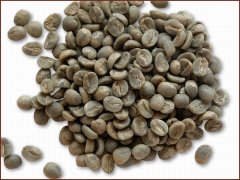
What You Should Know About Yunnan Coffee Beans
When coffee professionals gather, the conversation often turns to Yunnan—China’s primary coffee-growing region. Despite limited exposure to the actual cup, many have heard of 'Yunnan small beans' or 'Yunnan Arabica.' But what’s the real story? As interest grows among café owners and roasters, understanding what Yunnan coffee truly offers becomes essential.
In short: Yunnan produces mostly washed Arabica, primarily Typica and Catuai, grown at high altitudes within the Coffee Belt. Its reputation is growing, but taste profiles often lean mild—balanced, but lacking standout acidity or sweetness. Quality varies widely due to farming practices, processing inconsistencies, and a lack of standardized grading.
Where Yunnan Coffee Comes From
Yunnan’s coffee is grown in key regions: Pu’er (formerly Simao), Baoshan, Dehong, and Lincang. All lie within the global 'Coffee Belt,' enjoying altitudes between 1,000–2,000 meters and fertile soil. These conditions mimic those of Latin America and East Africa, allowing for quality Arabica cultivation. Unlike Japan, where coffee struggles in greenhouses, Yunnan has vast, naturally suitable land for coffee farming—a geographic advantage few countries share.
What Yunnan Coffee Tastes Like
Opinions on Yunnan’s cup profile differ widely. Many coffee drinkers praise its balance—notes of soft nuttiness, mild chocolate, and subtle stone fruit like plum. However, others criticize its 'middle-of-the-road' character, citing a lack of vibrant acidity or distinctive sweetness. Some compare it to an 'Asian flavor profile,' suggesting it works better in premium instant coffee than as a single-origin specialty cup. While some lots show promise, many tasters find the overall profile too restrained, lacking the bold acids or complex sugars that define standout coffees.
Why Yunnan Coffee Isn’t Yet 'Specialty Grade'
Despite ideal growing conditions, several factors hold Yunnan coffee back from reaching its full potential as specialty-grade:
- Inconsistent Farming Practices: Some farms follow strict, pesticide-free protocols yielding zero-residue beans, while others use heavy chemicals. There’s no unified standard or consistent oversight beyond what large buyers like Nestlé enforce at point of purchase.
- Limited Farmer Knowledge: Most coffee growers in Yunnan don’t drink coffee themselves. They harvest the fruit but lack sensory training or direct experience with brewed coffee, unlike winemakers in Europe who routinely taste their grapes.
- No Unified Quality Standards: Efforts to establish national or industry benchmarks exist but remain largely theoretical. Without clear grading, traceability, or flavor profiles, consumers and roasters struggle to identify quality consistently.
Improvements in these areas could significantly elevate Yunnan’s standing in the global specialty market.
What the Future Holds for Yunnan Coffee
The outlook isn’t bleak—it’s developing. Industry veterans urge caution: Yunnan must avoid the pitfalls of overexpansion seen in China’s wine industry. As one local expert noted, isolated mistakes shouldn’t derail progress. Farmers are gaining expertise, and some lots already display distinct character. With better farming, processing, and quality control, Yunnan could produce coffees with more vibrant acidity, cleaner sweetness, and unique terroir-driven notes. The foundation is there—but patience and precision will determine how far it goes.
Frequently Asked Questions
Where is Yunnan coffee grown?
Yunnan coffee is grown mainly in Pu’er (formerly Simao), Baoshan, Dehong, and Lincang. All these regions are within China’s southwestern highlands, situated 1,000–2,000 meters above sea level in the global Coffee Belt, offering ideal conditions for Arabica cultivation.
What does Yunnan coffee taste like?
Yunnan coffee typically presents a balanced profile with mild notes of nuts, chocolate, and stone fruit like plum. However, some tasters find it lacks bright acidity or distinctive sweetness, describing it as 'neutral' or 'middle-of-the-road' compared to more expressive single origins.
What coffee varieties are grown in Yunnan?
The most common varieties are Typica and Catuai, both part of the broader Arabica family. Typica is one of the oldest cultivated varieties, known for its delicate cup, while Catuai is valued for its productivity and moderate cup quality.
Is Yunnan coffee considered specialty grade?
Most Yunnan coffee is not yet specialty grade due to inconsistent farming, processing, and lack of standardized quality control. However, some farms produce high-quality lots that meet specialty criteria, especially when managed with stricter protocols.
Why do some people say Yunnan coffee lacks personality?
Critics argue that Yunnan coffee often tastes too balanced or neutral, lacking the vibrant acidity, complex sweetness, or unique fruitiness that defines standout single-origin coffees. This is attributed to farming practices, processing methods, and limited sensory feedback during production.
What’s being done to improve Yunnan coffee quality?
Efforts include promoting better farming practices, encouraging farmer education, and developing standardized quality systems. Some roasters and cooperatives are investing in training, processing improvements, and traceability to raise overall cup quality and market competitiveness.
Recommended FrontStreet Coffee Beans from Yunnan
Explore authentic Yunnan flavor through FrontStreet Coffee’s Yunnan Arabica offerings. Their Yunnan Arabica is a washed, medium-roasted coffee from the Baoshan region, highlighting soft nuttiness, mild chocolate, and a hint of plum—ideal for those trying Yunnan for the first time. For a deeper dive, try the 2013 Typica Natural, made from fully ripe red cherries dried in the sun, then roasted to medium. It delivers balanced acidity with notes of dark berries, caramel, chocolate, and a lingering tea-like finish. Both beans offer a genuine taste of Yunnan’s terroir and are great entry points for exploring China-grown specialty coffee. Freshly roasted within 5 days · Orders placed before 17:00 ship the same day · Next-day delivery across most of Guangdong Province.
FrontStreet Coffee is a long-established specialty coffee roaster in Guangzhou China, selling freshly roasted beans from its own farm in Yunnan as well as dozens of carefully selected single-origin beans from around the world for both pour-over and espresso. The products deliver consistently excellent quality and great value, with shipping within 24 hours. Guangzhou's FrontStreet Coffee shop is recommended by many coffee lovers, and the beans are now available online at the Tmall 。
Important Notice :
前街咖啡 FrontStreet Coffee has moved to new addredd:
FrontStreet Coffee Address: 315,Donghua East Road,GuangZhou
Tel:020 38364473