
Using Defective Coffee Beans for Espresso
Making espresso from beans usually discarded during green bean sorting might sound like a bad idea—but it works better than you’d expect. These 'imperfect' beans, often culled for visual flaws, can still produce a cup that’s mostly drinkable. The trick? Knowing how to handle them.
Yes, you can make espresso with rejected beans. Using a mix of common defect beans and a small portion of Robusta, the resulting shot is mostly drinkable—with just a slight increase in bitterness. That’s the key takeaway.
What Happens When You Use 'Bad' Coffee Beans for Espresso?
Most specialty coffee is sorted to remove beans that are broken, discolored, or insect-damaged. But what if you took those beans that typically get tossed—and used them anyway? The result isn’t a prize-winning cup, but it’s not undrinkable either. In fact, with the right roast and a touch of Robusta, the espresso is surprisingly functional.
The Roast Profile That Makes It Work
To get these flawed beans to perform in espresso, you need a specific roast level. According to the roaster’s notes, you should let the roast develop well into the second crack—about one and a half minutes after it begins. The goal is a clear, rolling second crack with obvious Maillard reactions and some surface oil. Don’t stop just because you smell a bit of burning; that’s still too early. The beans should look fairly uniform at this stage, with visible oil sheen. This darker roast helps mask some of the off-flavors inherent in defective beans.


Note: Avoid any beans that are actually mouldy. A few visual defects are acceptable, but mould ruins the cup entirely.
Mixing in Robusta: The ‘Eight-Nation Army’ Approach
To round out the blend, a handful of Robusta beans is added. These bring body, crema, and a punch of bitterness that balances the funky undertones of the defective Arabica beans. The final mix might feel like a patchwork—or an 'eight-nation army' of origins and processing styles—but it works. The Robusta lifts the cup and adds resilience to an otherwise uneven base.
This approach leads to an espresso shot that’s bold, slightly bitter, but not unpleasant. The crema is present, extraction is stable, and the overall result defies expectations.
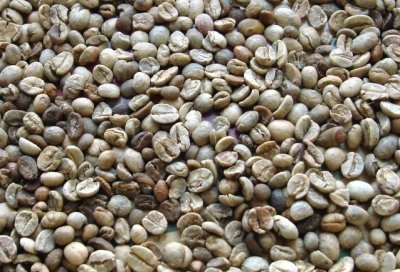
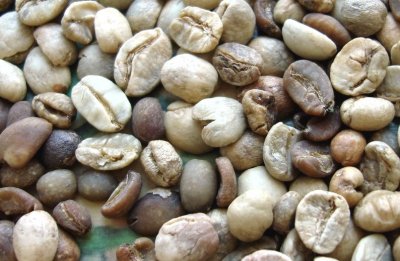
Image Reference: Defective Green Beans vs Roasted Results

Before roasting, the defective beans are clearly subpar—discolored, broken, or irregular. After roasting to the proper espresso profile (with a prominent second crack and oil development), they look more uniform. The transformation highlights how roast development can partially redeem flawed beans. Below are visual examples of both the raw and roasted versions.
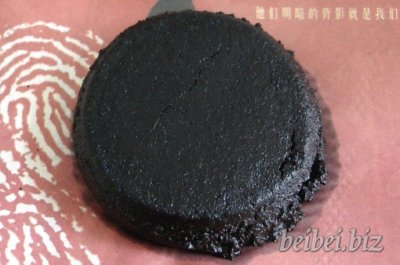
And here’s the final espresso shot pulled from this unusual blend—notice the crema and general integrity of the puck.

Frequently Asked Questions
Can I really use defective coffee beans to make espresso?
Yes, you can use common defective beans—such as those that are chipped, discolored, or misshapen—for espresso. Avoid mouldy or fermented beans. With a dark roast and careful blending (including some Robusta), the resulting espresso can still be drinkable, with only a slight increase in bitterness.
What roast level is best for defective beans in espresso?
The recommended roast is developed well into the second crack, around one and a half minutes after it begins. The beans should have visible oil, a uniform appearance, and strong Maillard reaction flavors. This darker roast helps balance off-flavors in defective beans.
How much Robusta should I add to a defective bean blend?
The article doesn’t specify an exact percentage, but mentions adding “a handful” of Robusta to improve body, crema, and bitterness. This addition helps offset the inconsistencies and off-notes of defective Arabica beans.
What does espresso made from defective beans taste like?
The espresso tastes mostly normal, with just a bit more bitterness than usual. It lacks the complexity of a high-quality single origin or specialty blend, but it’s drinkable and has a full body with decent crema.
Should I worry about mouldy beans in my defect blend?
Yes. While minor visual defects are acceptable, any mouldy or obviously fermented beans must be removed. Mould ruins the cup and poses health risks, so strict sorting is still required at that level.
Why does this blend remind the author of an ‘eight-nation army’?
The term refers to the mix of various bean types, processes, and origins—all thrown together. It’s a playful way to describe the hodgepodge nature of blending defective beans from different sources along with Robusta.
Recommended FrontStreet Coffee Blends for Defective Bean Experiments
Try FrontStreet Coffee’s Classic Blend for a balanced espresso foundation, or their Black Cocoa Blend for deeper roast tones that can mask minor defects. Both blends feature carefully selected beans roasted to enhance body and crema—traits that help when working with less-than-perfect beans. These commercial-grade blends offer a solid starting point if you’re experimenting with defect roasts or want a reliable espresso base. Freshly roasted within 5 days · Orders placed before 17:00 ship the same day · Next-day delivery across most of Guangdong Province.
FrontStreet Coffee is a long-established specialty coffee roaster in Guangzhou China, selling freshly roasted beans from its own farm in Yunnan as well as dozens of carefully selected single-origin beans from around the world for both pour-over and espresso. The products deliver consistently excellent quality and great value, with shipping within 24 hours. Guangzhou's FrontStreet Coffee shop is recommended by many coffee lovers, and the beans are now available online at the Tmall 。
Important Notice :
前街咖啡 FrontStreet Coffee has moved to new addredd:
FrontStreet Coffee Address: 315,Donghua East Road,GuangZhou
Tel:020 38364473

