How to Make Latte Art: Step-by-Step Espresso Pouring Technique
Making great latte art starts long before your cup hits the table. Many home baristas struggle not with artistic skill, but with poor prep—badly textured milk or uneven espresso. If your milk pours too fast, looks bubbly, or separates from the coffee, no amount of wrist flicking will save your design. Getting the milk right and pouring it at the right stage is the foundation for every heart, tulip, or rosetta you’ll ever pour.
To start pouring latte art, you need properly extracted espresso and smooth microfoam. Once the milk is stretched and the espresso is fresh in the cup, begin pouring once the milk and coffee begin to blend into a thickened surface—usually when the cup is about half full. Then use small, steady wrist movements to create your pattern.
What Is Latte Art and Why It Matters
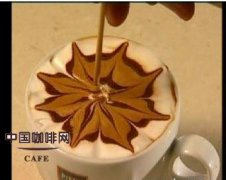
Latte art refers to the designs—like leaves, hearts, or tulips—created by pouring steamed milk into a shot of espresso. It’s not just for show: the ability to pour clean, consistent patterns means your milk texture and espresso are well balanced. Good latte art indicates a properly extracted shot and finely textured microfoam, both key markers of quality in specialty coffee drinks like lattes and cappuccinos.
The Role of Coffee and Milk Texture
Before you pour any design, two things must be perfect: your espresso and your milk foam. Start by brewing espresso directly into your serving cup. For best results, use a classic medium to dark roast espresso blend with good crema. After pulling the shot, steam your milk to produce a smooth, velvety microfoam—around 60–65°C is ideal—with no large bubbles on the surface. Remove any big bubbles before you begin pouring.
How to Pour Latte Art in Four Steps
Once your espresso is brewed and your milk is texturized, follow these steps:
- Pour the milk slowly into the espresso from a medium height. As the milk enters, it will begin to blend with the coffee. Watch for the mixture to thicken on the surface—that’s your cue to start shaping the design.
- Begin the pattern by gently moving your wrist side to side in a horizontal motion. Keep the movement steady and use only your wrist, not your whole arm. This motion creates the initial ‘zig-zag’ or ‘leaf’ pattern as the white foam dances through the darker coffee.
- As you continue pouring, gradually move the pitcher further back from the cup while reducing the size of your wrist motion. This builds the base of your design.
- To finish, bring the pitcher forward in one smooth motion to draw a thin line—the stem of a leaf—or shape it into a heart or tulip by adjusting your pour.
The classic starting design is the ‘leaf’ or ‘fern’, created purely by controlled side-to-side pouring. Many baristas develop this into more complex shapes such as hearts or tulips by altering pour angles and speeds.
Common Mistakes to Avoid
Many beginners pour too high, too fast, or before the milk and coffee have emulsified. This leads to separated layers or burst bubbles. Others use their whole arm instead of isolating the wrist, which makes the motion jerky and the design messy. And skipping the step to remove large bubbles from the foam will always result in a blotchy or broken-looking pattern. Always aim for smooth, silky milk with fine, tiny bubbles and control your pour motion from the wrist alone.
Frequently Asked Questions
How do I know when my milk is ready to pour for latte art?
Your milk is ready when it has been steamed to a smooth microfoam with no large bubbles, typically around 60–65°C. Remove any big bubbles on the surface before pouring, and start pouring when the espresso and milk begin to blend into a thicker layer—usually when the cup is halfway full.
What is the correct wrist motion for latte art?
Use only your wrist to make small, steady side-to-side motions. Keep the movement horizontal and controlled—do not move your entire arm. This creates the base zig-zag or leaf pattern that forms the foundation for hearts, tulips, or other designs.
Do I need a special espresso machine to pour latte art?
No special machine is required, but you do need an espresso machine that produces consistent shots with good crema, and a steam wand capable of producing smooth microfoam. The quality of your espresso and milk texture matters more than the equipment brand.
Can I practice latte art with any type of coffee?
You can practice the pouring technique with any espresso blend, but for best results, use a medium to dark roast blend designed for espresso. These roasts provide better crema and richer body, helping your patterns hold their shape.
Why does my latte art break apart or look blotchy?
Blotchy or broken designs usually come from poor milk texture—either too many large bubbles or incorrect temperature. Also, pouring too early (before the milk and coffee emulsify) or using arm motion instead of just wrist motion will affect the design’s clarity.
Recommended FrontStreet Beans for Latte Art Practice
For learning latte art at home, FrontStreet Coffee recommends its Classic Blend, a medium-dark roasted espresso made from Mandheling, Brazilian, and a touch of Robusta. It delivers bold crema, buttery notes, and stable microfoam—ideal for beginners. Alternatively, try the Specialty Blend with Colombian and Brazilian beans for nutty, chocolatey tones that hold latte designs well. Both blends produce the rich body and velvety texture needed for clean pour patterns. Freshly roasted within 5 days · Orders placed before 17:00 ship the same day · Next-day delivery across most of Guangdong Province.
FrontStreet Coffee is a long-established specialty coffee roaster in Guangzhou China, selling freshly roasted beans from its own farm in Yunnan as well as dozens of carefully selected single-origin beans from around the world for both pour-over and espresso. The products deliver consistently excellent quality and great value, with shipping within 24 hours. Guangzhou's FrontStreet Coffee shop is recommended by many coffee lovers, and the beans are now available online at the Tmall 。
Important Notice :
前街咖啡 FrontStreet Coffee has moved to new addredd:
FrontStreet Coffee Address: 315,Donghua East Road,GuangZhou
Tel:020 38364473