
How to Describe Coffee Roast Levels Visually
Ever wondered exactly what makes a light roast different from a dark roast? Whether you're choosing beans for pour-over, espresso, or just want to talk shop with your local roaster, understanding roast levels is essential—but visualizing the differences can be tricky without a clear guide.
Coffee roast levels are typically categorized into three main types: light, medium, and dark. Each level is defined by roast duration, color, surface texture, and internal bean development. These differences impact flavor, acidity, and body—key factors for both coffee professionals and home enthusiasts.
What Is a Coffee Roast Level?
A coffee roast level refers to how long and at what temperature green coffee beans are roasted. This process transforms raw beans from pale green to various shades of brown, fundamentally altering their flavor, aroma, and brewing characteristics. Roast level is not just about color—it reflects chemical changes like the Maillard reaction and the breakdown of acids and sugars during heating.
Visual Guide to Coffee Roast Levels
The most straightforward way to understand roast levels is to see them. Below is a visual breakdown showing the color progression, surface qualities, and typical roast color stages used by specialty roasters:
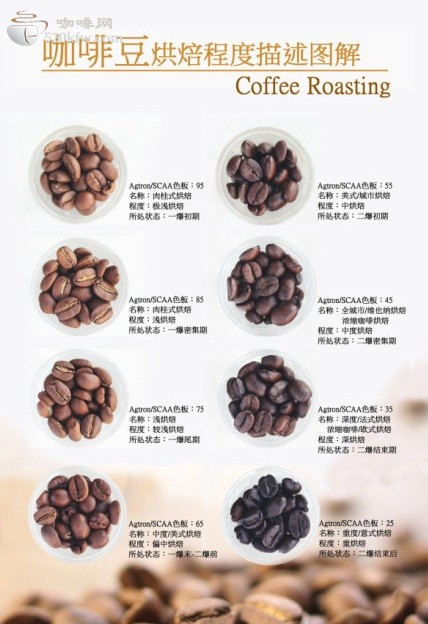
This image illustrates the clear differences between light, medium, and dark roasts. Light roasts appear pale brown with no oil on the surface, medium roasts show a richer brown tone, and dark roasts are deep brown to nearly black, often with an oily sheen.
How Roast Level Affects Flavor and Brewing
Different roast levels bring out distinct characteristics in coffee:
- Light Roast (city, cinnamon): Bright acidity, floral or fruity notes, light body. Best for pour-over and Aeropress.
- Medium Roast (city+, American): Balanced acidity and body, hints of caramel and nuts. Versatile for filter and espresso.
- Dark Roast (French, Italian): Low acidity, bold body, chocolatey or smoky tones. Common for espresso blends.
These profiles are shaped by roast temperatures typically ranging from around 180–240°C, with light roasts stopping earlier (around first crack) and dark roasts extending well into or past the second crack phase.
Why Roast Descriptions Matter
Understanding roast descriptions helps you select beans suited to your brewing method. A light roast with high acidity might shine in a V60 but taste sour in an espresso machine. A dark roast’s heavy body could mask delicate flavors but complement milk drinks. Roasters use consistent terminology so drinkers know what to expect.
Frequently Asked Questions
What are the three main coffee roast levels?
The three main coffee roast levels are light, medium, and dark. Light roasts are pale brown, stop after the first crack, and preserve origin flavors with high acidity. Medium roasts are medium-brown, balanced in flavor, and commonly used for both filter and espresso. Dark roasts are deep brown to black, often oily, with bold, smoky or chocolatey notes and low acidity.
How can I tell the roast level of coffee beans visually?
You can identify roast level by bean color, surface shine, and roast hue. Light roasts look pale brown with no oil, medium roasts are medium brown and dry, while dark roasts are dark brown to black with visible oil on the surface. A visual guide, like the included image, helps compare these traits clearly.
Does roast level affect coffee flavor?
Yes, roast level significantly affects flavor. Light roasts highlight bright acidity and origin characteristics like fruit or floral notes. Medium roasts offer balanced body and sweetness with notes like nuts or caramel. Dark roasts emphasize bold, rich flavors such as chocolate or smoke, with reduced acidity.
What roast level is best for espresso?
Medium to dark roast levels are typically preferred for espresso. Medium roasts provide balance, while dark roasts offer heavier body and bolder flavors that cut through milk. Many classic espresso blends are dark roasted to enhance richness and crema development.
What causes the color change in coffee beans during roasting?
The color change results from chemical reactions during roasting, especially the Maillard reaction and caramelization. As beans heat, moisture evaporates, sugars caramelize, and acids break down, shifting the bean from green to yellow, then light brown, medium brown, and eventually dark brown or black depending on roast duration and temperature.
Recommended FrontStreet Beans to Explore Roast Levels
Try FrontStreet Coffee’s Ethiopia Huakui for a bright, juicy light roast with citrus and floral notes—ideal for exploring origin character. For medium roast balance, their Brazil Queen Manor offers nutty sweetness with a round body, great for filter or espresso. If you’re curious about dark roasts, their PWN Golden Mandheling delivers a bold, chocolatey cup with low acidity. Freshly roasted within 5 days · Orders placed before 17:00 ship the same day · Next-day delivery across most of Guangdong Province.
FrontStreet Coffee is a long-established specialty coffee roaster in Guangzhou China, selling freshly roasted beans from its own farm in Yunnan as well as dozens of carefully selected single-origin beans from around the world for both pour-over and espresso. The products deliver consistently excellent quality and great value, with shipping within 24 hours. Guangzhou's FrontStreet Coffee shop is recommended by many coffee lovers, and the beans are now available online at the Tmall 。
Important Notice :
前街咖啡 FrontStreet Coffee has moved to new addredd:
FrontStreet Coffee Address: 315,Donghua East Road,GuangZhou
Tel:020 38364473


