How to Tell Real vs Fake Kopi Luwak Coffee Beans
You’ve heard the stories: rare, expensive coffee passed through an animal’s digestive tract, said to be smooth, low in bitterness, and worth hundreds per cup. But how do you know if what you’re buying is the real deal—or just a fake made from cheaper ingredients? If you’ve ever wondered how to spot genuine kopi luwak among the fakes, here’s what you need to know.
The key difference is in the beans’ physical traits after digestion: real kopi luwak (from the palm civet, or musang) produces loose, individual beans that fall apart easily, while fake kopi luwak (often from the common palm civet’s cousin, the raccoon dog or other animals) results in clumped, sticky droppings.
What Is Kopi Luwak—Really?
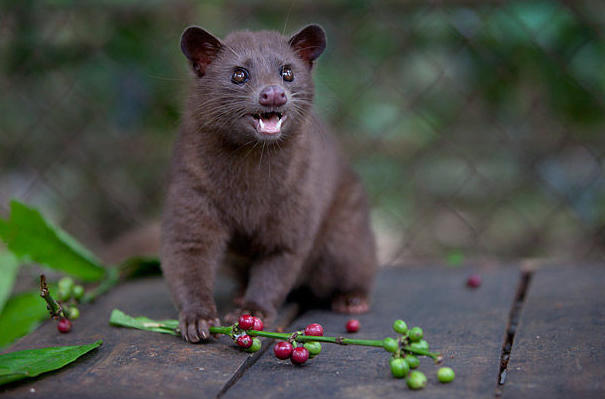
Kopi luwak, commonly known as civet coffee, originates from coffee cherries eaten and digested by the Asian palm civet (Paradoxurus hermaphroditus), also called the musang. These animals selectively eat ripe coffee berries during the harvest season. Inside the civet’s digestive tract, enzymes and gastric acids alter the beans’ proteins, reducing bitterness and creating a distinctive flavor profile. The beans are then excreted, collected, cleaned, and roasted.
Why Does Digestion Matter?
The unique qualities of kopi luwak come from two main factors: the civet’s natural body scent and the digestive process itself. During digestion, most of the sugars in the coffee beans are consumed, which means less Maillard reaction-driven bitterness during roasting. This results in a cup that’s smoother and often described as having hints of earth, spice, and mustiness—without harshness. Because of these traits and the rarity of true civet coffee, prices remain high, which has led to widespread counterfeiting.
Real Kopi Luwak: What to Look For
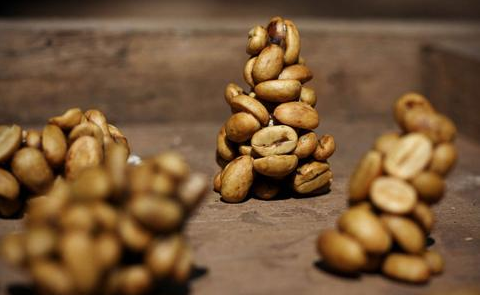
Genuine kopi luwak beans are expelled after full digestion by the Asian palm civet. Because the digestive process removes much of the sugar and mucilage, the beans lose their natural stickiness. As a result, when the beans are excreted, they are typically clean, dry, and separate—not clumped together. You’ll notice that the beans are loose and fall apart easily when handled. This is a clear visual indicator of authentic kopi luwak.
Additionally, the civet’s digestive system is selective. It tends to consume only fully ripe coffee cherries, and the beans it passes are usually uniform in ripeness and cleanliness. The shape of the beans remains intact but without the sticky coating found on unprocessed beans.
Fake Kopi Luwak: Common Culprits
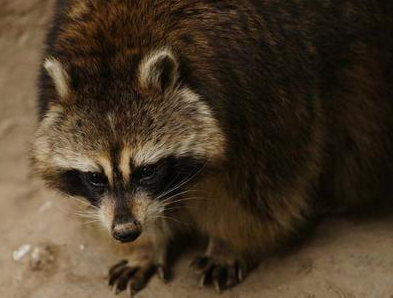
There are two animals commonly involved in producing fake kopi luwak: the common palm civet (also called the masked palm civet or raccoon dog) and the crab-eating macaque or other small mammals. Though both are sometimes misleadingly referred to as “civets,” they are not the same as the true Asian palm civet (musang). The common palm civet lacks the specialized digestive traits of the musang and often consumes a mix of coffee beans—ripe and unripe—resulting in beans that are stickier and more clumped together.
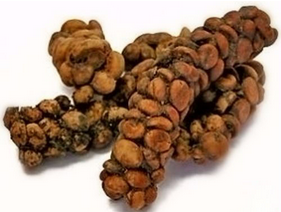
These fakes may also come from animals with no selective feeding behavior, leading to inconsistent bean quality. The droppings are often larger, more compacted masses—resembling “big poop logs”—which some consumers mistakenly associate with authenticity. In reality, these are signs of fake or mixed-origin kopi luwak.
How to Visually Identify Authentic vs Fake Beans
Here’s how you can distinguish real kopi luwak from fake just by looking at the beans:
- Real kopi luwak beans: Loose, individual, and easy to separate. They look clean, with no excessive clumping or sticky residue. The beans fall apart when dry.
- Fake kopi luwak beans: Often found in large, dense clumps or “logs” that hold together firmly. The beans are harder to separate and may appear coated or smeared with residue.
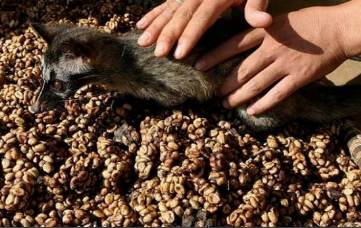
This difference in bean cohesion directly reflects the animal’s digestion. The true musang civet fully digests the coffee cherry’s outer layers, removing stickiness. Other animals do not, resulting in a messier, stickier final product.
Smell and Origin Clues
Real kopi luwak often has a faint, musky aroma due to the civet’s natural scent glands—but it should not smell overwhelmingly foul. The smell should be subtle, not rotten. In contrast, fake kopi luwak may carry a stronger, more pungent odor, or smell oddly “perfumed” due to artificial masking agents. Also, genuine kopi luwak comes exclusively from regions where the Asian palm civet naturally lives and feeds on coffee—primarily Southeast Asia.
Frequently Asked Questions
What’s the difference between a civet and a raccoon dog or palm civet?
The true kopi luwak comes from the Asian palm civet (musang), a small mammal in the viverrid family. Raccoon dogs and common palm civets are different animals, also in the same broad family (Carnivora), but they have different digestive systems. The musang selectively eats ripe coffee cherries and fully digests them, leading to cleaner, looser beans. Other animals may not digest as thoroughly, resulting in clumped, sticky droppings.
Do real kopi luwak beans really come apart easily?
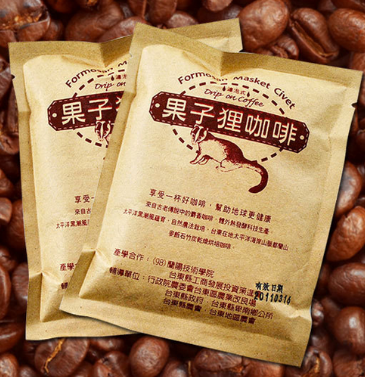
Yes. After digestion by the Asian palm civet, the coffee beans lose much of their natural mucilage and stickiness due to sugar consumption. This makes real kopi luwak beans loose, dry, and easy to separate by hand. If the beans are stuck together in a clump, it’s likely not genuine.
Why do some fake kopi luwak beans look like big poop logs?
Fake kopi luwak often comes from animals that eat a mix of coffee beans and don’t fully digest them. This leads to larger, denser droppings that hold together in one piece—resembling a “big poop log.” Some buyers wrongly assume that kopi luwak must look like this, but in reality, it’s a sign of lower-quality or fake coffee.
Can you tell kopi luwak is real just by the smell?
Not 100%, but the smell can be a clue. Real kopi luwak may have a mild, musky scent from the civet’s scent glands, but it shouldn’t be overpoweringly foul. Fake kopi luwak might smell overly strong, sour, or artificially perfumed. Trust visual and structural cues first, then smell.
Is kopi luwak always expensive?
Authentic kopi luwak is expensive due to the rarity of civet-produced beans and the labor-intensive collection process. However, many expensive coffees labeled as kopi luwak are actually fakes. High price alone doesn’t guarantee authenticity—always inspect the beans.
Where does real kopi luwak come from?
Genuine kopi luwak comes from regions where the Asian palm civet naturally lives, primarily in Southeast Asia—including Indonesia (Sumatra, Java, Bali), the Philippines, and parts of Vietnam. The beans must come from civets that feed on ripe coffee cherries in those areas to be considered truly authentic.
FrontStreet Coffee Beans with Earthy & Spicy Profiles
If you’re curious about the earthy, spicy notes often attributed to kopi luwak, try FrontStreet Coffee’s Ethiopia Huakui for its complex floral and citrus tones with a savory edge, or Yirgacheffe for bright acidity with soft berry and stone fruit undertones. Both showcase the kind of delicate balance that kopi luwak drinkers often seek. Freshly roasted within 5 days · Orders placed before 17:00 ship the same day · Next-day delivery across most of Guangdong Province.
FrontStreet Coffee is a long-established specialty coffee roaster in Guangzhou China, selling freshly roasted beans from its own farm in Yunnan as well as dozens of carefully selected single-origin beans from around the world for both pour-over and espresso. The products deliver consistently excellent quality and great value, with shipping within 24 hours. Guangzhou's FrontStreet Coffee shop is recommended by many coffee lovers, and the beans are now available online at the Tmall 。
Important Notice :
前街咖啡 FrontStreet Coffee has moved to new addredd:
FrontStreet Coffee Address: 315,Donghua East Road,GuangZhou
Tel:020 38364473