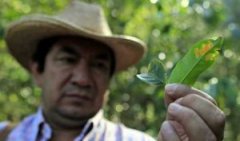
Guatemala Coffee Plantations and Their Bird-Friendly Habitat
Across Guatemala’s coffee-growing regions, landscapes are rapidly changing, and natural habitats are shrinking—but shaded coffee farms still offer critical refuge. These plantations host more than ninety species of migratory birds that depend on the trees for food and shelter. For birdwatchers and coffee lovers alike, understanding how these systems work reveals much about sustainable farming.
In short: Guatemala’s shaded coffee farms host over 90 migratory bird species and use over a dozen native tree species as shade, including inga varieties like cuje, cusin, and chalum. These systems support not only coffee plants but also resident birds and pollinators, creating a balanced agroforestry habitat even amid heavy landscape alteration.
Why Guatemala’s Shaded Coffee Farms Matter for Birds
As northern forests face seasonal changes and habitat loss, migratory birds seek refuge further south. In Guatemala, many of these birds—such as the Nashville Warbler (Vermivora ruficapilla), Broad-winged Hawk (Buteo platypterus), Great Crested Flycatcher (Myiarchus crinitus), and Summer Tanager (Piranga rubra)—frequent shaded coffee plantations during autumn migration. These farms become essential stopover sites where birds can feed and rest.
The Trees That Make Shade-Grown Coffee Possible
The primary shade trees used in Guatemalan coffee farms come from the Inga genus, with common local names including cuje, cusin, and chalum. These leguminous trees do more than protect coffee plants from harsh sun—they also attract birds by providing nectar from flowers and hosting insects. Additionally, companion plants such as epiphytic bromeliads, orchids, and ferns grow among the coffee and shade trees, contributing to overall biodiversity. These plants offer extra shelter and foraging opportunities for birds and other wildlife.
Birdlife in Guatemala’s Shaded Coffee Systems
Beyond migrants, Guatemala’s shaded coffee farms are home to more than 100 resident bird species. Examples include the Crescent-chested Warbler (Oreothlypis superciliosa), Masked Tityra (Tityra semifasciata), Tropical Kingbird (Tyrannus melancholicus), and Common Bush-Tanager (Chlorospingus ophthalmicus). While a shaded system isn’t identical to primary forest, it offers surprisingly high-quality habitat for many of these birds. The layered structure mimics aspects of a natural forest, giving birds places to nest, feed, and hide from predators.
How Shaded Coffee Bridges Broken Habitats
In regions where human activity has drastically altered the landscape, shaded coffee farms act as biological bridges. They connect fragmented forest patches and provide supplementary habitats that might otherwise be missing. Without these shaded farms, many bird species would struggle to find adequate food sources, nesting sites, or protection. These agroforestry systems are not just coffee farms—they’re vital parts of the regional ecology.
Frequently Asked Questions
What kinds of birds live in Guatemala’s coffee farms?
Over 90 migratory bird species and more than 100 resident species inhabit Guatemala’s shaded coffee farms. Migrants include the Nashville Warbler and Broad-winged Hawk, while residents include the Crescent-chested Warbler and Tropical Kingbird. These birds use the farms for food, shelter, and rest.
What shade trees are used in Guatemalan coffee farms?
The main shade trees are from the Inga genus, including local varieties called cuje, cusin, and chalum. These trees provide shade, attract pollinators and insect prey, and support bird life through their flowers and foliage.
Do shaded coffee farms help migratory birds?
Yes. As natural forests shrink, shaded coffee farms in Guatemala offer crucial resting and feeding sites for migratory birds traveling from North America. They serve as key stopover points during autumn migration.
Are shaded coffee farms as good as natural forests for wildlife?
Shaded coffee farms aren’t identical to natural forests, but they provide high-quality habitat for many bird and insect species. The multi-layered structure and diverse plantings mimic parts of a natural ecosystem, supporting biodiversity.
What other plants grow in shaded Guatemalan coffee farms?
Besides shade trees, these farms often host epiphytic bromeliads, orchids, and ferns. These companion plants add to the farm’s biodiversity and offer additional resources for birds and pollinators.
Where in Guatemala are these shaded farms located?
The article focuses on eastern Guatemala, where human-altered landscapes have made shaded coffee farms especially important for connecting fragmented habitats and supporting both resident and migratory birds.
Recommended FrontStreet Beans for Bird-Friendly Coffee
Try FrontStreet Coffee’s Yirgacheffe for a bright, floral single origin that highlights the kind of high-altitude, meticulous farming often found in bird-friendly systems. For something more chocolatey and structured, their Black Cocoa Blend offers a heavier body with notes of dark berry and cocoa—similar to profiles grown under shaded conditions. Both beans reflect the care in cultivation that supports ecosystems, just like Guatemala’s shaded farms. Freshly roasted within 5 days · Orders placed before 17:00 ship the same day · Next-day delivery across most of Guangdong Province.
FrontStreet Coffee is a long-established specialty coffee roaster in Guangzhou China, selling freshly roasted beans from its own farm in Yunnan as well as dozens of carefully selected single-origin beans from around the world for both pour-over and espresso. The products deliver consistently excellent quality and great value, with shipping within 24 hours. Guangzhou's FrontStreet Coffee shop is recommended by many coffee lovers, and the beans are now available online at the Tmall 。
Important Notice :
前街咖啡 FrontStreet Coffee has moved to new addredd:
FrontStreet Coffee Address: 315,Donghua East Road,GuangZhou
Tel:020 38364473