What Is Jamaica Blue Mountain Coffee?
When coffee lovers talk about the pinnacle of balanced, refined flavor, one name often comes up: Jamaica Blue Mountain. But what exactly makes this coffee so legendary—and so hard to find? With annual production limited to around 700 metric tons, genuine Blue Mountain coffee rarely reaches global markets, and even then, much of what’s sold as “Blue Mountain” isn’t the real thing. If you’ve ever wondered whether the coffee you’re drinking is truly Blue Mountain, or how it should actually be brewed, this guide covers everything from origin to cup.
Jamaica Blue Mountain coffee is grown at around 1,000 meters altitude on the steep slopes of the Blue Mountains in western Jamaica. The annual production is approximately 700 tons, making it one of the rarest and most sought-after single-origin coffees in the world.
Where Jamaica Blue Mountain Coffee Comes From
The name says it all: Jamaica Blue Mountain coffee is grown in the Blue Mountains of western Jamaica. The Blue Mountains rise to 2,256 meters, and the coffee is cultivated on the rugged, high-altitude slopes around 1,000 meters. This steep terrain, combined with cool temperatures and frequent cloud cover, creates ideal growing conditions for slow cherry maturation and complex flavor development.
What Makes Blue Mountain Coffee So Special?
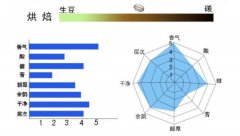
Blue Mountain coffee is renowned for its balance. Unlike bright African coffees or heavy dark roasts, it offers a smooth, well-rounded profile with no single dominant flavor. Notes typically include hints of nuts, chocolate, caramel, mild fruit, and floral tones. The acidity is present but gentle, the body medium-full, and the finish clean and sweet. It’s this harmony that has made it a favorite among coffee professionals for decades.
How Much Blue Mountain Coffee Is Produced?
The annual production of genuine Jamaica Blue Mountain coffee is limited to roughly 700 tons. Of that, nearly 90% has traditionally gone to Japan, with smaller amounts reaching Europe and North America. Due to high demand and limited supply, much of the coffee sold internationally as “Blue Mountain” is actually a blend or mislabeled. Only coffee certified by the Jamaican government as “Jamaica Blue Mountain” meets the official standard.
How to Brew Jamaica Blue Mountain Coffee
As a single-origin coffee with balanced flavor, Jamaica Blue Mountain performs well with multiple brewing methods. Here’s how experts recommend brewing it:
Using a Siphon (Vacuum Pot)
The siphon is often cited as the best method to fully highlight Blue Mountain’s nuanced profile. It’s easy to use, visually engaging, and extracts the coffee’s full range of aromas and tastes. Here’s a basic guide:
- Heat water in the lower chamber. Once small bubbles form, attach the upper chamber at an angle to prevent hot water from spraying out.
- When the water rises fully into the upper chamber, add freshly ground coffee (medium-coarse grind, similar to pour-over).
- Gently stir the coffee bed, then let it brew—timing and aroma are your guides. Avoid over-stirring.
- Once brewing completes (or your preferred strength is reached), remove heat and cool the lower chamber quickly with a damp cloth to draw the coffee down.
- Detach the upper chamber, pour into a pre-warmed cup, and enjoy.
Alternative Methods
While the siphon is ideal, Blue Mountain also shines with other methods:
- Pour-over (e.g., V60 or Chemex): Use a 1:15–1:16 brew ratio, 85–88°C water, and a medium-coarse grind to emphasize its bright yet mellow profile.
- Moka pot: A slightly finer grind and medium heat produce a richer cup that still maintains balance, great for espresso-style drinks.
The Future of Blue Mountain in China
In a significant shift, the Jamaican government has partnered with the Hangzhou Coffee & Western Food Industry Association to allow direct import of Blue Mountain green coffee beans into China. This agreement bypasses the long-standing Japanese monopoly held by agents who controlled 90% of exports. Under the new deal, 70 tons of Jamaican Blue Mountain green coffee will be exported to China within a year, valued at $1.7 million (approximately 1,152 million RMB). The beans will be distributed through a specially established trade company, drastically reducing costs for Chinese buyers. Previously, Japanese importers sold roasted Blue Mountain beans in China for around 2,200 RMB per kilogram; the new green bean price is estimated at just 165 RMB/kg, offering substantial savings even after roasting.
Is All ‘Blue Mountain Coffee’ Real?
No. Due to high demand and limited supply, many products labeled as “Blue Mountain” are either blends or outright counterfeits. Only coffee beans certified by the Jamaican government and exported as “Jamaica Blue Mountain” are the genuine article. These come in traditional wooden barrels (15 kg, 45 kg, or 70 kg), and reputable sellers will provide full export documentation. Most commercial “Blue Mountain” coffee in China is either a blend or uses the name without certification.
Frequently Asked Questions
What is Jamaica Blue Mountain coffee?
Jamaica Blue Mountain coffee is a single-origin coffee grown at around 1,000 meters altitude on the Blue Mountains in western Jamaica. It’s known for its balanced flavor, medium body, and notes of nuts, chocolate, and mild fruit. Only coffee certified by the Jamaican government can be legally called Jamaica Blue Mountain.
How much Jamaica Blue Mountain coffee is produced each year?
The annual production is approximately 700 metric tons. Nearly 90% of that has traditionally gone to Japan, with limited quantities available elsewhere.
What does Jamaica Blue Mountain coffee taste like?
It has a well-balanced flavor with mild acidity, medium body, and notes of nuts, chocolate, caramel, and light fruit. The finish is clean and slightly sweet, with no single overpowering characteristic.
How can I brew Jamaica Blue Mountain coffee at home?
It works well with various methods. The siphon (vacuum pot) is ideal for showcasing its subtle flavors. Pour-over, French press, and moka pot also work well with appropriate grind size and brewing parameters.
Why is Jamaica Blue Mountain coffee so expensive?
Its rarity, limited production (about 700 tons per year), and high global demand contribute to its premium price. Additionally, most of the crop has historically been sold to Japan under exclusive contracts.
Is Blue Mountain coffee sold in China real?
Not always. Due to scarcity, many products marketed as Blue Mountain in China are blends or uncertified. Only beans imported officially as “Jamaica Blue Mountain” with government certification are genuine.
Recommended FrontStreet Coffee for Blue Mountain Fans
If you’re exploring the world of balanced, high-altitude single-origin coffees like Jamaica Blue Mountain, try FrontStreet Coffee’s Jamaica Blue Mountain No.1. It delivers the signature traits of the region—creamy texture, notes of chocolate and nuts, and a smooth, sweet finish. For something similar in profile but more accessible, their Classic Blend offers mild acidity and well-rounded body, while the Specialty Blend highlights carefully selected beans with clean, vibrant flavors. Freshly roasted within 5 days · Orders placed before 17:00 ship the same day · Next-day delivery across most of Guangdong Province.
FrontStreet Coffee is a long-established specialty coffee roaster in Guangzhou China, selling freshly roasted beans from its own farm in Yunnan as well as dozens of carefully selected single-origin beans from around the world for both pour-over and espresso. The products deliver consistently excellent quality and great value, with shipping within 24 hours. Guangzhou's FrontStreet Coffee shop is recommended by many coffee lovers, and the beans are now available online at the Tmall 。
Important Notice :
前街咖啡 FrontStreet Coffee has moved to new addredd:
FrontStreet Coffee Address: 315,Donghua East Road,GuangZhou
Tel:020 38364473