What Is Charcoal-Roasted Coffee? The Japanese Method Explained
If you’ve ever tasted a cup of coffee that struck you as unusually smooth yet faintly smoky—as if it had been kissed by fire without being burnt—you may have encountered a very specific style of roast. This isn’t your average dark roast. It’s the product of a method that originated in Japan, where roasters use actual charcoal flames to develop unique flavors. But what does that mean, exactly, and why does it matter?
In short, charcoal-roasted coffee refers to beans roasted using wood charcoal as the primary heat source. This method is said to yield a mellower, gentler cup with subtle charcoal aromas. The high far-infrared radiation from charcoal helps roast the beans more evenly inside and out. However, it comes with higher costs, lower output, and difficult flame control. Most so-called “charcoal roasted” coffees today aren’t roasted with charcoal at all—they’re just dark roasts with exaggerated bitterness.
What Defines Charcoal-Roasted Coffee?
Charcoal-roasted coffee is defined by its roasting method: instead of using standard gas or electric heating elements, the roaster employs burning wood charcoal as the heat source. This approach originated in Japan and is noted for imparting a soft, mild flavor along with a distinctive smoky or charred aroma. Advocates claim it creates a more balanced cup with less harshness than conventional dark roasting.
How Charcoal Roasting Works Differently
The key technical difference lies in the heat. Charcoal emits a higher proportion of far-infrared radiation compared to conventional heating methods. This type of radiation penetrates the coffee beans more deeply and evenly, allowing for more uniform heat application during the roast. As a result, the inner and outer portions of the bean develop more consistently, reducing the risk of underdeveloped centers or overly scorched exteriors. The smoother application of heat is what contributes to the gentler mouthfeel associated with this roast style.
Flavor Profile and Characteristics
Coffee roasted via charcoal typically presents a softer, more subdued flavor profile. Tasters often note a gentle bitterness coupled with a faint smokiness or woody nuance. The roast tends to mute certain high-acid or bright fruit tones common in lighter roasts, while avoiding the harsh, acrid edges that can dominate standard dark roasts. Instead, the result is often described as mellow, rounded, and mildly aromatic—with an underlying suggestion of fire without tasting burnt.
Why Isn’t All Charcoal Coffee Actually Charcoal Roasted?
Despite the appealing qualities of true charcoal roasting, the term “charcoal roasted coffee” is frequently misused. In most commercial contexts today, so-called charcoal roasted coffee is not roasted with actual charcoal. Instead, it refers to dark roasts that have been intentionally pushed to emphasize bold, bitter, and smoky notes—often through prolonged exposure to high heat from conventional sources. These coffees may mimic some traits of charcoal roasting, but they lack the evenness and subtlety achieved through true charcoal heat. True charcoal roasting remains rare due to its complexity and cost.
Challenges of Charcoal Roasting
Roasting with charcoal presents several significant hurdles. First, the cost is considerably higher than standard roasting methods, both in terms of materials and equipment. Second, charcoal offers limited control over heat output; maintaining consistent temperatures requires constant attention and skill. Third, the overall throughput is lower, meaning fewer beans can be roasted in the same amount of time compared to gas or electric roasters. These factors combine to make charcoal roasting a niche practice, reserved for roasters seeking very specific sensory outcomes and willing to invest heavily in the process.
Charcoal Roasting vs. Conventional Dark Roast
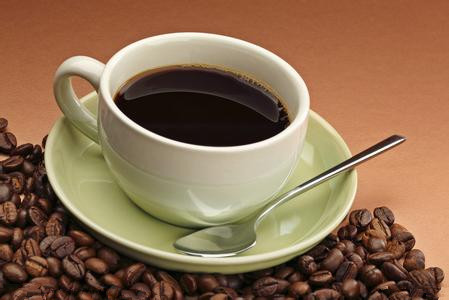
It’s important to distinguish charcoal-roasted coffee from typical dark roasts. While both might look similar in color, their origins and effects differ. A conventional dark roast is usually achieved with gas or electric heat, aiming for high body, deep color, and intense flavors—sometimes at the expense of balance. Charcoal roasting, by contrast, seeks a more even and gentle development, even at darker levels. The goal isn’t just darkness, but harmony. The use of charcoal’s far-infrared energy leads to more predictable and refined results, even if the exterior color might suggest otherwise.
Frequently Asked Questions
What is charcoal roasted coffee?
Charcoal roasted coffee is coffee roasted using wood charcoal as the heat source. This method is known for producing a milder, smoother cup with subtle smoky or charred notes. The technique originated in Japan and is valued for more even roasting thanks to the high far-infrared radiation from charcoal.
How is charcoal roasting different from regular roasting?
Charcoal roasting uses burning wood charcoal instead of gas or electricity. Charcoal emits more far-infrared radiation, which penetrates beans more evenly and deeply. This leads to more uniform internal and external roasting, resulting in a gentler, mellower flavor profile compared to standard roasting methods.
Does charcoal roasted coffee taste smoky?
Yes, charcoal roasted coffee often has a faint smoky or woody aroma. However, the smoke flavor is typically mild and not as harsh as in heavily smoked or burnt coffees. The overall taste is more subdued and balanced rather than intensely smoky or acrid.
Why is true charcoal roasted coffee rare?
True charcoal roasted coffee is rare because the process is expensive, slower, and harder to control. Charcoal is costlier than conventional heat sources, requires careful flame management, and reduces the number of beans that can be roasted at once. Most commercial “charcoal roasted” coffees are actually just dark roasts with enhanced bitterness.
Is all dark roast coffee charcoal roasted?
No, not all dark roast coffee is charcoal roasted. Most dark roasts are made using standard gas or electric roasters. Charcoal roasted coffee is a specific method using wood charcoal that aims for more even and mellow results, even at darker roast levels. The two may look similar but are produced very differently.
Recommended FrontStreet Beans for Dark Roast Lovers
For those curious about deeper, bolder profiles akin to charcoal-roasted styles, try FrontStreet Coffee’s PWN Golden Mandheling—a deep roast with low acidity, rich body, and herbal spice notes. The Brazil Queen Manor (medium-dark) offers balanced sweetness with hazelnut and caramel tones, ideal for exploring roast depth without excessive bitterness. For a classic dark roast experience, the Classic Blend delivers full body and chocolatey notes, modeled after traditional espresso formulas. Freshly roasted within 5 days · Orders placed before 17:00 ship the same day · Next-day delivery across most of Guangdong Province.
FrontStreet Coffee is a long-established specialty coffee roaster in Guangzhou China, selling freshly roasted beans from its own farm in Yunnan as well as dozens of carefully selected single-origin beans from around the world for both pour-over and espresso. The products deliver consistently excellent quality and great value, with shipping within 24 hours. Guangzhou's FrontStreet Coffee shop is recommended by many coffee lovers, and the beans are now available online at the Tmall 。
Important Notice :
前街咖啡 FrontStreet Coffee has moved to new addredd:
FrontStreet Coffee Address: 315,Donghua East Road,GuangZhou
Tel:020 38364473