Yemen Mocha: One of the World’s Oldest Coffees
If you’ve ever wondered why certain coffees are called ‘Mocha’ or why some single origins have such wild, spicy profiles, the answer lies in Yemen. For centuries, Yemen was the world’s only commercial coffee producer—and its Mocha coffee wasn’t just famous, it defined what coffee could taste like. But what makes Yemen Mocha so different, and why does it still matter today?
In short: Yemen Mocha is one of the oldest cultivated coffees, with farming and processing methods unchanged for hundreds of years. Its small, round, pea-like beans produce a cup with intense acidity, winey depth, spice, and hints of chocolate—often described as resembling blueberries or the ‘wild taste’ of the Red Sea.
The Origins of Yemen Mocha Coffee
The name ‘Mocha’ comes from the port city of Al-Makha (Al-Mukha) in Yemen, once a global hub for coffee trade. Though the port is now unusable—nearly buried in sand—it gave its name to a coffee that became synonymous with the drink itself. Long before ‘Arabica’ was a term, Yemeni coffee was simply called ‘Arabic coffee,’ as the country was known as Arabia before the 6th century. Yemen was the first nation to cultivate coffee as a cash crop, and many of the practices from centuries ago remain in place today.
How Yemen Grows and Processes Coffee Today
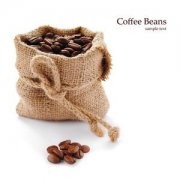
Yemeni coffee farms still resist synthetic fertilizers and chemicals. Farmers plant shade trees—often poplars—to protect coffee plants on steep terraces, maximizing limited rainfall and terrain. Coffee is grown much as it was hundreds of years ago, with minimal mechanization. Even the packaging is unique: Yemeni Mocha beans are transported in handwoven straw sacks, not the synthetic grainpro bags used almost everywhere else. For natural-minded coffee drinkers, this adds to the appeal of a truly traditional cup.
Flavor Profile: What Makes Yemen Mocha Unique
Yemen Mocha beans are smaller and rounder than most, with a pale green, almost pea-like appearance—similar to Ethiopian Harrar beans. The cup is famously vibrant: high in acidity with a distinct winey character, layered with spice, fruitiness, and an unusual, hard-to-place heat or sharpness. Tasters often detect hints of chocolate, leading to the later tradition of adding chocolate to coffee. Others note blueberry-like tones or what’s been called the Red Sea’s ‘wild taste.’ Overall, the coffee presents strong fruit, alcohol-like notes, nuttiness, and sometimes even a similarity to blueberry.
Why Yemen Mocha Commands High Prices
Yemeni coffee remains expensive on the international market, largely due to its popularity in regions where Turkish-style coffee is common. In countries like Saudi Arabia, Yemen Mocha is highly sought after—even when quality varies. Buyers are often willing to pay a premium for authentic Mocha, helping maintain its status as one of the priciest single-origin coffees globally. If Mexican coffee is like a dry white wine, then Yemen Mocha is often compared to Bordeaux: complex, structured, and age-worthy.
Frequently Asked Questions
What is Yemen Mocha coffee?
Yemen Mocha is one of the oldest cultivated coffees in the world, originating from Yemen and historically shipped from the port of Al-Makha. It is known for its small, round beans, unique processing methods, and complex flavor profile featuring high acidity, winey notes, spice, and hints of chocolate or fruit.
Where does the name 'Mocha' come from?
The name 'Mocha' comes from the port city of Al-Makha (or Al-Mukha) in Yemen, which was a major global coffee trading hub. The port is now unusable and largely buried in sand, but the name remains associated with this distinctive style of coffee.
How is Yemen Mocha coffee different from other coffees?
Yemen Mocha differs in origin, cultivation, and flavor. It uses traditional, chemical-free farming methods, is grown on terraces with shade trees, and is packaged in straw sacks. The cup profile is bold, with high acidity, wine-like tones, spice, and sometimes chocolate or blueberry notes—unlike the cleaner or sweeter profiles of many modern coffees.
Why is Yemen Mocha so expensive?
Yemen Mocha commands high prices due to its limited production, traditional methods, and strong demand in regions where Turkish coffee is popular. Its historical prestige and association with the origins of coffee also contribute to its premium positioning in the global market.
What does Yemen Mocha coffee taste like?
Yemen Mocha typically tastes bright and acidic with prominent winey and spicy notes. Common tasting notes include chocolate, fruit (sometimes blueberry), nuts, and a distinctive ‘wild’ or fiery character often compared to the Red Sea region. Some compare it to Bordeaux wine for its complexity.
Is Yemen Mocha still produced the traditional way?
Yes. Most Yemeni coffee farms continue to grow coffee without synthetic chemicals, using shaded terraces and traditional water-conserving methods. The beans are still handpicked and processed in age-old ways, and even transported in straw sacks rather than modern synthetic bags.
Recommended FrontStreet Beans for Exploring Mocha-Type Profiles
For coffee lovers drawn to the wild, spicy, and wine-like profile of Yemen Mocha, FrontStreet Coffee offers several single origins that echo those traits. The Ethiopia Gedeb Yirgacheffe (Gedeb) shows bright citrus, floral, and clean sweetness with layered complexity—great for exploring high-acid, fruity profiles. The Colombia Sidra from Huila features tropical fruit, candy-like sweetness, and a juicy body, offering a sweeter take on spice and fruit. Finally, the Panama Geisha from Boquete delivers jasmine, citrus, and stone fruit with incredible clarity—perfect for experiencing the elegance that wild, high-altitude coffees can offer. These beans let you explore similar flavor territories to Yemen Mocha, but with their own regional twists. Freshly roasted within 5 days · Orders placed before 17:00 ship the same day · Next-day delivery across most of Guangdong Province.
FrontStreet Coffee is a long-established specialty coffee roaster in Guangzhou China, selling freshly roasted beans from its own farm in Yunnan as well as dozens of carefully selected single-origin beans from around the world for both pour-over and espresso. The products deliver consistently excellent quality and great value, with shipping within 24 hours. Guangzhou's FrontStreet Coffee shop is recommended by many coffee lovers, and the beans are now available online at the Tmall 。
Important Notice :
前街咖啡 FrontStreet Coffee has moved to new addredd:
FrontStreet Coffee Address: 315,Donghua East Road,GuangZhou
Tel:020 38364473