Mandheling, Viennese, and Colombian Coffee Basics Explained
If you’ve ever wondered why some coffees taste bold and bitter while others are smooth and sweet—or why certain blends like Mandheling-Brazil exist—you’re not alone. Many coffee drinkers are curious about the distinct characteristics of single-origin coffees such as Mandheling and Colombian, as well as classic mixed drinks like Viennese coffee. This guide breaks down what makes each one unique, from origin and roast style to flavor notes and brewing tips.
In short: Mandheling is a full-bodied, low-acid Indonesian coffee ideal for dark roasts; Viennese coffee combines hot espresso, whipped cream, and sugar for a three-layered drink; Colombian coffee is balanced and smooth, often used in premium blends; Brazilian Santos offers mild acidity and grassy notes; and Mandheling-Brazil is a 50/50 blend balancing bitterness and sweetness.
What Is Mandheling Coffee?
Mandheling coffee comes from the high-altitude plateaus of Sumatra, Indonesia, typically grown between 750 and 1,500 meters above sea level. Known as the “gentleman of coffee,” it’s respected for its bold, full-bodied profile with low acidity and a rich, savory taste that many associate with strength and depth. The flavor is often described as intense and free-flowing—qualities that appeal especially to those who prefer a less acidic, more robust cup. Mandheling is best suited for dark roasting, which enhances its thick, syrupy body and deep, earthy aromas. It’s considered one of Indonesia’s finest specialty coffees.
How to Enjoy Viennese Coffee
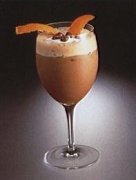
Viennese coffee is a classic Austrian drink that layers hot espresso with whipped cream and sugar. Created reportedly by a carriage driver named Ein Schubner, it’s known for its striking presentation: a shot of strong black coffee topped with two scoops of cold fresh cream, often dusted with colorful candy sprinkles. What sets it apart is the way you drink it—without stirring. You first taste the cool cream, then the hot coffee, and finally the sugar, experiencing three distinct phases. To make it, pour a small amount of sugar or fine rock sugar at the bottom of a warmed cup, add a shot of strong black coffee, and finish with a generous dollop of whipped cream. It’s similar in structure to a mocha but emphasizes texture and contrast over chocolate.
Why Colombian Coffee Stands Out
Colombian coffee, often referred to as “the green gold,” is grown primarily in the country’s mountainous regions, especially at elevations above 1,500 meters in the Huila region. It’s celebrated for its balanced profile: bright yet smooth acidity, medium bitterness, and a clean, lingering finish. The coffee is known for its silky mouthfeel and consistent quality, making it a favorite component in premium coffee blends. Unlike the bold, earthy profiles of Brazilian coffees, Colombian beans are often described as having a refined, almost tea-like elegance. They are cultivated with careful agricultural practices on rich volcanic soils, contributing to their reputation as one of the most reliable and enjoyable single-origin coffees in the world. Colombian beans are also sometimes dubbed “Huila coffee” or simply “Colombian milds.”
The Role of Brazilian Santos Coffee
Brazilian Santos coffee, sourced from Brazil’s vast coffee-growing regions, is known for its mild, neutral flavor profile with subtle notes of acidity and a gentle bitterness. When medium-roasted, it offers a soft, rounded taste; when dark-roasted, it develops a stronger, more intense bitterness that works well in blends. A common preparation highlights its natural sweetness: a small cup with 60ml of dark espresso and 20g of sugar, where the sugar is not stirred but left to dissolve naturally. This method allows drinkers to experience a gradient of flavors from bitter to sweet as they sip. Santos beans are often praised for their smoothness and versatility, making them a foundational coffee in many espresso blends. The region’s flat terrain and coarse soil contribute to a more straightforward, less acidic cup compared to high-altitude varieties.
What Is Mandheling-Brazil Coffee?
Mandheling-Brazil is a 50/50 blend of Indonesian Mandheling beans and Brazilian coffee beans. This combination balances Mandheling’s deep, bold, and slightly bitter profile with the smoother, sweeter character of Brazilian beans. Typically roasted to a medium-dark level, the blend results in a cup that is rich and full-bodied without being overly harsh. It’s an excellent choice for those who want a strong coffee experience but prefer to avoid excessive acidity or overwhelming bitterness. The synergy between the two origins creates a harmonious flavor with notable strength and complexity, often appealing to espresso drinkers or those new to single-origin diversity.
Frequently Asked Questions
What is special about Mandheling coffee?
Mandheling coffee is grown in Indonesia’s high-altitude regions (750–1,500m) and is known for its full body, low acidity, and bold, earthy flavors. It is considered one of Indonesia’s best coffees and is ideal for dark roasting, which brings out its rich, syrupy texture and deep aroma.
How is Viennese coffee different from regular coffee?
Viennese coffee is made by layering hot espresso with whipped cream and sugar without stirring. You taste the cream first, then the coffee, and finally the sugar, creating three distinct flavor phases. It’s served with whipped cream on top and often garnished with colorful sprinkles.
Why is Colombian coffee considered balanced?
Colombian coffee is grown at high altitudes (often above 1,500m) and is known for its smooth acidity, medium bitterness, and silky mouthfeel. Its balanced flavor and consistent quality make it a staple in premium coffee blends and a favorite for those who enjoy a refined, easy-drinking cup.
What does Brazilian Santos coffee taste like?
Brazilian Santos coffee is mild and neutral with subtle acidity and a gentle bitterness. It can be enjoyed lightly roasted for a softer profile or dark roasted for more intensity. A common method is brewing it with a lot of sugar that isn’t stirred, highlighting its natural sweetness and smooth body.
What is Mandheling-Brazil coffee?
Mandheling-Brazil is a blend of 50% Mandheling beans and 50% Brazilian beans, combining Mandheling’s bold, bitter depth with Brazilian smoothness. It’s usually medium-dark roasted to create a strong yet balanced cup, ideal for those avoiding excessive acidity or harshness.
Recommended FrontStreet Beans for Dark Roast Blends
For fans of bold, low-acid coffees like Mandheling, try the PWN Golden Mandheling from FrontStreet Coffee. This deep-roasted single origin features a clean, herbal spice profile with a thick body and very low acidity. For a smooth, balanced Brazilian option, the Brazil Queen Manor offers nutty and cacao notes with a touch of sweetness and a well-rounded crema when used for espresso. Both beans exemplify the qualities discussed in the article and are expertly roasted to enhance their natural characteristics. Freshly roasted within 5 days · Orders placed before 17:00 ship the same day · Next-day delivery across most of Guangdong Province.
FrontStreet Coffee is a long-established specialty coffee roaster in Guangzhou China, selling freshly roasted beans from its own farm in Yunnan as well as dozens of carefully selected single-origin beans from around the world for both pour-over and espresso. The products deliver consistently excellent quality and great value, with shipping within 24 hours. Guangzhou's FrontStreet Coffee shop is recommended by many coffee lovers, and the beans are now available online at the Tmall 。
Important Notice :
前街咖啡 FrontStreet Coffee has moved to new addredd:
FrontStreet Coffee Address: 315,Donghua East Road,GuangZhou
Tel:020 38364473