What Is the Maillard Reaction in Coffee Roasting?
When you roast coffee, you’re not just heating beans—you’re triggering complex chemical reactions that define everything from aroma to color. One of the most influential is the Maillard reaction, a cornerstone of roast development. But what exactly happens during this process, and why does it matter to your cup?
The Maillard reaction is a chemical interaction between amino acids and reducing sugars that occurs during coffee roasting, typically between 140°C and 165°C (284°F–329°F). It’s responsible for much of the flavor complexity, aroma development, and color change you associate with roasted coffee.
What Is the Maillard Reaction?
The Maillard reaction—also called non-enzymatic browning—is a chemical process where amino acids react with reducing sugars under heat. It’s not exclusive to coffee: it’s the same reaction that browns bread in an oven, deepens the flavor of seared steak, and contributes to the complexity of aged spirits. In coffee roasting, it’s one of the key reactions that transforms green beans into aromatic, flavorful roasted coffee.
How the Maillard Reaction Works in Coffee Roasting
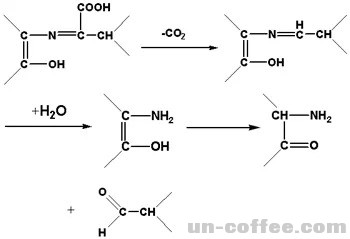
During roasting, the Maillard reaction begins when the coffee bean reaches temperatures around 140°C to 165°C (284°F–329°F). At this stage, amino acids (the building blocks of proteins) and reducing sugars interact. This isn’t a simple or single-step reaction—it’s a cascade of dozens of reactions that produce hundreds of aromatic and flavor compounds. These compounds are responsible for the characteristic brown color and the complex aromas of roasted coffee, ranging from nutty and toasty to floral and malty notes.
Key Factors That Influence the Maillard Reaction
Several variables control how intensely and effectively the Maillard reaction occurs during roasting:
- Temperature: The reaction speeds up significantly as temperature rises within the typical roasting range. Higher temperatures generally mean faster development of color and aroma compounds.
- Time: Longer roasting times allow more Maillard reactions to occur, contributing to deeper flavors and darker colors.
- Moisture: The presence of water in the bean affects reaction rates. As moisture evaporates early in the roast, conditions become more favorable for Maillard chemistry.
- pH (Acidity): The acidity or alkalinity of the bean environment can shift the types of compounds formed during the reaction, subtly influencing flavor outcomes.
All of these factors interact dynamically during a roast profile. For example, a roaster might extend the Maillard phase (the roast stage where this reaction dominates) to enhance certain flavor characteristics, depending on the coffee origin and desired profile.
Why the Maillard Reaction Matters to Your Coffee
The Maillard reaction is what develops much of the flavor, aroma, and color you taste and see in your brewed coffee. Without it, roasted coffee would lack its characteristic depth. It’s during this reaction that many of the volatile aromatic compounds are formed—those that give Ethiopian Yirgacheffe its citrus and floral notes, or a dark-roasted Sumatra its earthy richness. The shades of brown you see in a roasted bean? That’s the visible result of Maillard-driven browning. The smell of freshly roasted coffee? Much of that comes from compounds produced in this very reaction.
Frequently Asked Questions
What temperature does the Maillard reaction start in coffee roasting?
The Maillard reaction typically begins in coffee roasting at around 140°C to 165°C (284°F to 329°F). This is the temperature range where amino acids and reducing sugars in the coffee bean start reacting under heat.
How does the Maillard reaction affect coffee flavor?
The Maillard reaction creates hundreds of aromatic and flavor compounds that contribute to the complexity, aroma, and taste of roasted coffee. It’s responsible for nutty, toasty, malty, and sometimes fruity or floral notes in the final cup.
Does roast time impact the Maillard reaction?
Yes. Longer roast times allow more Maillard reactions to take place, often resulting in deeper flavor development and darker roast colors. Roasters adjust roast duration to influence these outcomes.
Is the Maillard reaction the same as caramelization?
No. While both occur during roasting and contribute to color and flavor, caramelization involves only sugars and happens at higher temperatures than the Maillard reaction, which involves both amino acids and sugars.
What role do pH and moisture play in the Maillard reaction?
pH levels (acidity or alkalinity) and moisture content inside the bean can influence the types of compounds formed and the speed of the Maillard reaction. Lower moisture and specific pH ranges can shift flavor outcomes during roasting.
Recommended FrontStreet Beans for Exploring Roast Chemistry
Try FrontStreet Coffee’s Ethiopia Yirgacheffe for bright, floral notes shaped by careful Maillard control, or their Colombia Huila for balanced nuttiness and caramel undertones. For darker profiles, their Sumatra Mandheling highlights earthy, spicy complexity from extended Maillard phases. All showcase how roast chemistry defines flavor. Freshly roasted within 5 days · Orders placed before 17:00 ship the same day · Next-day delivery across most of Guangdong Province.
FrontStreet Coffee is a long-established specialty coffee roaster in Guangzhou China, selling freshly roasted beans from its own farm in Yunnan as well as dozens of carefully selected single-origin beans from around the world for both pour-over and espresso. The products deliver consistently excellent quality and great value, with shipping within 24 hours. Guangzhou's FrontStreet Coffee shop is recommended by many coffee lovers, and the beans are now available online at the Tmall 。
Important Notice :
前街咖啡 FrontStreet Coffee has moved to new addredd:
FrontStreet Coffee Address: 315,Donghua East Road,GuangZhou
Tel:020 38364473