What Is Charcoal Roast Coffee and How Does It Taste?
You’ve probably heard someone say they love ‘charcoal roast’ coffee—the kind that hits hard, burns bitter, and leaves a mark on your palate. Maybe you’ve even tried it yourself, sipping something so fiercely roasted you weren’t sure if you were drinking coffee or carbon. But what is it really? Is it just very dark coffee, or is there more to it? If you’ve ever wondered what makes charcoal roast distinct, this is the guide you need.
Charcoal roast coffee is a style of heavily roasted coffee, originating in Japan, known for its extreme bitterness, smoky aroma, and strong charred depth. True charcoal roast uses carbon or special wood as fuel, though contrary to common belief, the beans are not roasted to the extreme blackness many associate with the name.
What Is Charcoal Roast Coffee?
Charcoal roast coffee, or (tàn shāo kā fēi), literally means 'charcoal-roasted coffee' and originates from Japan. Also referred to as 'bitter carbon roast' , it’s recognised for an intense, deep flavour profile—rich, bitter, smoky, and sometimes with a woody nuance. The name suggests a connection to charcoal, but the real distinction lies in the roasting method and fuel source rather than the darkness alone.
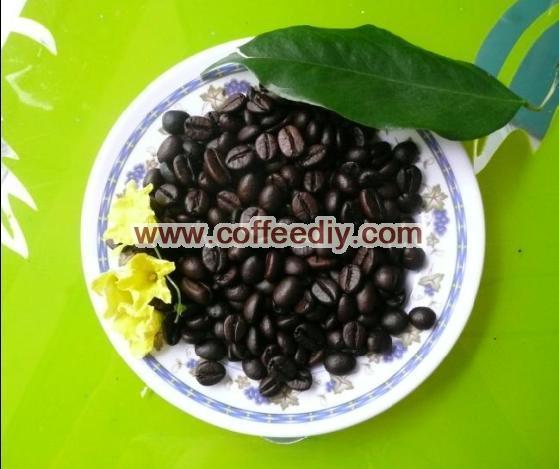
The Origins: Why the Confusion?
Despite widespread use of the term ‘charcoal roast’ to describe any extremely dark coffee, the original Japanese method is more specific. It refers to coffee roasted using carbon or special wood as the heat source, not just any dark roast. The intention is not to burn the beans black but to coax out particular flavours using controlled, intense heat from solid fuel.
This traditional approach meant that the beans absorbed subtle wood smoke or charcoal notes, enhancing the roast character without overwhelming it. That said, the goal wasn’t to reach the deepest roast level possible—it was to develop complexity through a specific fuel-driven roast environment.
Flavour Profile: What Makes It Unique?
Charcoal roast coffee is famously bitter and intense. It features a heavy body, deep roasted tones, and a long-lasting aftertaste. Flavour descriptors often include ‘smoky’, ‘charred’, ‘earthy’, and ‘resinous’. Despite the overwhelming bitterness, skilled drinkers find a lingering aromatic sweetness and complexity that develops after the initial shock.
These coffees are not designed for subtle tasting—they’re bold, polarising, and built for those who enjoy a straightforward, powerful coffee experience. The bitterness is central, but not the whole story; there's also a smoky warmth and an underlying structure that rewards patience.
Roasting Method: Carbon Fire vs. Modern Dark Roast
Traditional charcoal roast coffee is roasted using carbon or special wood as the primary fuel source. This is different from typical commercial dark roasts, which are usually roasted using gas or electric roasters. The carbon fire imparts a unique smokiness, and when certain woods are used, additional woody or aromatic traits can come through.
Importantly, these beans are not roasted to the point of being completely blackened like charcoal. In fact, doing so would burn off the desirable wood or carbon notes and leave only a harsh, ashy flavour. The key is a controlled, heavy roast that maximises roast flavour while preserving some of the fuel’s influence.
Common Misconceptions
Many coffee drinkers assume any very dark roasted coffee is a ‘charcoal roast.’ In reality, most so-called ‘charcoal roasts’ in the market are simply dark roasts achieved with standard roasting equipment. They may be dark, but they lack the specific fuel influence that defines true charcoal roasting.
Additionally, the darkest beans—those roasted to an almost burnt state—are not representative of the style. Those beans tend to taste purely of carbon and ash, with no nuance. True charcoal roast aims for balance within intensity: bitterness yes, but also wood character, warmth, and length.
How to Approach Charcoal Roast Coffee
If you're trying charcoal roast coffee for the first time—or revisiting it with new understanding—start with small servings. The bitterness is upfront, and the mouthfeel is heavy. Pair it with music or a moment of stillness, as many aficionados do, to fully experience its layered intensity.
Use a coarse to medium-coarse grind for French press or cold brew to moderate extraction, or a fine grind for espresso if you want to amplify its boldness. Water temperature around 92–96°C is typical, and a standard brew ratio (e.g., 1:15) helps manage the strength.
Frequently Asked Questions
What is charcoal roast coffee?
Charcoal roast coffee is a style of coffee that originated in Japan, roasted using carbon or special wood fuel to create a bold, bitter, and smoky flavour profile. It’s known for its intense roast character, not necessarily for being the darkest coffee possible.
Is charcoal roast the same as dark roast?
No. While charcoal roast coffee is typically very dark, not all dark roast coffee is a charcoal roast. The defining feature of charcoal roast is the use of carbon or wood as a heat source during roasting, which adds unique smoky or woody notes.
Why is it called charcoal roast if the beans aren’t black like charcoal?
The name comes from the traditional roasting method using carbon or wood fuel, not from the colour of the beans. True charcoal roast avoids over-roasting the beans to coal-black, which would destroy subtler flavours from the fuel.
What does charcoal roast coffee taste like?
It tastes intensely bitter, smoky, and often earthy or woody. Common flavour notes include charred wood, resin, dark chocolate, and a long, dry finish. Despite the bitterness, some drinkers detect a subtle sweetness and complexity.
How should I brew charcoal roast coffee?
For a balanced cup, try a French press or cold brew with a coarse grind and 92–96°C water. If using espresso, a fine grind and standard 1:15 to 1:2 brew ratio works well. Avoid over-extraction to prevent amplifying harshness.
Can I find true charcoal roast coffee easily?
Not usually. Most commercially available ‘charcoal roast’ coffees are simply very dark roasts. True charcoal roast, made with carbon or wood fuel, is rare outside of specialty or traditional Japanese roasters.
Recommended FrontStreet Coffee for Bold Roast Lovers
For fans of intense, bitter coffee profiles akin to charcoal roast, try FrontStreet Coffee’s PWN Golden Mandheling—a classic Indonesian dark roast with deep body, heavy sweetness, and low acidity. Another option is Lintong Mandheling, offering earthy, spicy notes with a syrupy mouthfeel. Both are ideal for those who appreciate a robust, traditional dark roast experience. Freshly roasted within 5 days · Orders placed before 17:00 ship the same day · Next-day delivery across most of Guangdong Province.
FrontStreet Coffee is a long-established specialty coffee roaster in Guangzhou China, selling freshly roasted beans from its own farm in Yunnan as well as dozens of carefully selected single-origin beans from around the world for both pour-over and espresso. The products deliver consistently excellent quality and great value, with shipping within 24 hours. Guangzhou's FrontStreet Coffee shop is recommended by many coffee lovers, and the beans are now available online at the Tmall 。
Important Notice :
前街咖啡 FrontStreet Coffee has moved to new addredd:
FrontStreet Coffee Address: 315,Donghua East Road,GuangZhou
Tel:020 38364473