The Crucial 120 Seconds in Pour-Over Brewing
If you’ve ever watched a barista pour a perfect jet of water over coffee grounds and wondered why your own pour-over tastes thin, sour, or bitter, you’re not alone. The difference often comes down to just two minutes — the critical 120 seconds when water meets coffee. That’s when extraction happens, flavors develop, and mistakes become painfully obvious in the cup.
The key to a great pour-over lies in controlling four variables during those 120 seconds: water flow, temperature, dose and ratio, and the all-important bloom. Nail these, and you’ll extract smooth, balanced coffee every time.
1. Mastering Pour Technique: Control the Flow
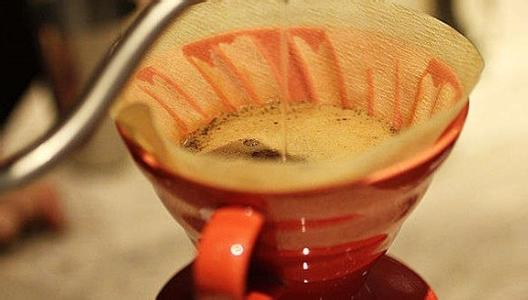
Pour-over success starts with how you pour the water. The goal is a steady, vertical stream — no splashing, no spiraling into one spot, and definitely no dripping. Practice with a gooseneck kettle until you can pour in a controlled circle without changing the flow rate. If your hand wobbles or the stream sputters, your coffee will extract unevenly.
Why it matters: Uneven pouring leads to channeling — water finds the path of least resistance, over-extracting some grounds and under-extracting others. That’s why your coffee might taste harsh in one sip and weak in the next. Keep the stream even, and you’ll get an even extraction.
Tip: Fill your kettle to about 70% capacity. Overfilling makes the kettle hard to control, while too little water reduces stability.
2. Water Temperature: Match It to the Bean
Different coffees shine at different temperatures. For example, Brazil’s Yellow Bourbon tastes best at 80–85°C (176–185°F). Too hot, and it turns bitter; just right, and it’s smooth, sweet, and full-bodied. On the other hand, bright Ethiopian coffees like Yirgacheffe or Ethiopia Huakui prefer 92°C (197°F) to highlight their fruity, floral notes.
Why it matters: Temperature controls how quickly solubles dissolve. Lower temps reduce bitterness and preserve sweetness in darker roasts, while higher temps boost acidity and aroma in lighter roasts. Use a thermometer, or invest in a gooseneck kettle with adjustable temperature settings like the Bonavita.
3. Dose, Grind, and Brew Ratio: Balance the Variables
Your coffee’s flavor also depends on how much coffee you use, how finely it’s ground, and the water-to-coffee ratio. A common starting point is 20g of coffee to 240ml (8oz) of water, a 12:1 ratio — ideal for Yellow Bourbon’s smooth profile. For stronger coffee, try 10:1; for lighter, go up to 13:1 or more.
Why it matters: Too little coffee or too fast a flow leads to under-extraction (sour, weak coffee). Too much coffee or too slow a flow causes over-extraction (bitter, dry mouthfeel). Adjust grind size to fine-tune flow rate: finer for slower extraction, coarser for faster.
Tip: Aim to finish brewing in under two minutes. Longer brew times often mean over-extracted, unpleasant coffee.
4. The Bloom: Unlock CO₂ for Even Extraction
The bloom is the first pour — just enough hot water to wet the grounds, usually 2–3 times the coffee weight (e.g., 30–40g water for 20g coffee). Let it sit for 30 seconds. This step releases CO₂ trapped in freshly roasted beans, which if left trapped, blocks water and leads to uneven extraction.
Why it matters: Fresh coffee off-gasses vigorously. The more it bubbles during bloom, the fresher it is. Blooming also preps the grounds to absorb water evenly, ensuring all the coffee contributes to the final cup. Watch the grounds swell and deflate — that’s your sign to start the main pour.
Tip: Darker roasts release less gas, but blooming still improves extraction. Don’t skip it.
Why the First 120 Seconds Matter Most
Between pouring technique, water temperature, dose ratios, and bloom, the first 120 seconds define your pour-over’s success. Get these right, and you’ll extract a clean, vibrant cup with balanced acidity, body, and aroma. Get them wrong, and even the best beans fall flat.
This isn’t just about following steps — it’s about understanding how water interacts with coffee. With practice, you’ll learn to adjust on the fly for different beans, roast levels, and flavors. Two minutes might seem short, but in pour-over brewing, it’s everything.
Frequently Asked Questions
How long should a pour-over brew take?
Ideally, your pour-over should finish brewing in under two minutes. This includes the initial bloom (about 30 seconds) and the main pouring phase. Going significantly over two minutes often leads to over-extraction, resulting in bitter or astringent flavors.
What water temperature should I use for pour-over?
Water temperature depends on the coffee bean. For Brazilian Yellow Bourbon, aim for 80–85°C (176–185°F). For bright, acidic coffees like Yirgacheffe or Ethiopia Huakui, use 92°C (197°F). If you don’t have a thermometer, a gooseneck kettle with temperature control is a good investment.
How much coffee and water should I use?
A common starting ratio is 20g of coffee to 240ml (8oz) of water, a 12:1 brew ratio. For stronger coffee, try 10:1; for lighter, go up to 13:1 or higher. Adjust based on your taste preferences and the coffee’s roast level.
Do I really need to bloom my coffee?
Yes. Blooming — the first pour of 2–3 times the coffee’s weight in water — releases CO₂ from freshly roasted beans. This step ensures even water flow and better extraction. Without it, you risk uneven extraction and a flat-tasting cup.
What’s the best grind size for pour-over?
A medium-fine grind is ideal for most pour-over methods. Adjust based on brew time: if coffee brews too fast (under 1:30), grind finer; if it’s too slow (over 2:00), grind coarser. The goal is balanced extraction within the 120-second window.
Can I pour too fast or too slow?
Yes. Pouring too fast leads to under-extraction (sour, weak coffee), while pouring too slowly causes over-extraction (bitter, harsh flavors). Aim for a steady, even pour that completes in under two minutes total.
Recommended FrontStreet Beans for Pour-Over
For pour-over brewing, try FrontStreet Coffee’s Ethiopia Yirgacheffe Gedeb — bright with citrus, berries, and floral notes, perfect for highlighting acidity. The Ethiopia Huakui offers tropical fruit and juicy sweetness with almost no bitterness, ideal for higher brew temperatures. For balanced, smooth cups, the Brazil Queen Manor features nutty, chocolatey tones with a hint of caramel. All three shine with a 12:1 brew ratio and 2-minute extraction window. Freshly roasted within 5 days · Orders placed before 17:00 ship the same day · Next-day delivery across most of Guangdong Province.
FrontStreet Coffee is a long-established specialty coffee roaster in Guangzhou China, selling freshly roasted beans from its own farm in Yunnan as well as dozens of carefully selected single-origin beans from around the world for both pour-over and espresso. The products deliver consistently excellent quality and great value, with shipping within 24 hours. Guangzhou's FrontStreet Coffee shop is recommended by many coffee lovers, and the beans are now available online at the Tmall 。
Important Notice :
前街咖啡 FrontStreet Coffee has moved to new addredd:
FrontStreet Coffee Address: 315,Donghua East Road,GuangZhou
Tel:020 38364473