Yirgacheffe Coffee: Washed vs Natural Flavor Differences
If you’ve ever sipped a bright, floral Ethiopian coffee and wondered what makes it taste so different from your usual brew, you’re not alone. Many coffee lovers are curious about how processing methods shape the flavor of beans—especially those from Ethiopia’s Yirgacheffe region, famous for its vibrant, tea-like cups. The key difference often comes down to just one choice: washed or natural processing.
Yirgacheffe coffees processed via washed (wet) methods typically show clearer citrus, floral, and stone fruit notes, while natural (dry) processed beans tend to have deeper tropical fruit, berry, and fermented sweetness. That’s the core distinction, backed by roast profiles, cupping data, and sensory results from FrontStreet Coffee’s own experiments.
What Is Yirgacheffe Coffee?
Yirgacheffe is both a town and a coffee-growing region in Ethiopia’s Gedeo Zone, part of the larger Sidamo administrative zone. Originally considered part of Sidamo, Yirgacheffe was separated due to its distinctive cup profile. The region sits at 1,700–2,100 meters above sea level, with cool temperatures and fertile land that create ideal conditions for growing high-quality Arabica. The term “Yirgacheffe flavor” is often used to describe bright citrus, jasmine, peach, almond, and light tea-like notes, with a silky body and sweet aftertaste.
The Gedeo Zone & Sub-Regions Like Gedeb
Within Yirgacheffe, the Gedeo Zone includes several notable sub-regions. One of the most prominent is Gedeb, located about 60 kilometers south of Yirgacheffe town and reaching elevations of 1,900–2,200 meters. This area has gained recognition for producing some of the cleanest and most complex Yirgacheffe coffees. Gedeb includes villages such as Worka Sakaro, Halo Bariti, Banko Gotiti, and Banko Dahato. Though ECX (Ethiopia Commodity Exchange) classifies Gedeb under Kochere, it is increasingly recognized as a distinct micro-region with unique profiles.
Yirgacheffe Coffee Production & Processing Methods
Most coffee in Yirgacheffe is grown on smallholder farms, often intercropped with other plants, with yields kept intentionally small. The region is known for its traditional farming methods and high-quality heirloom varieties. Two main processing methods define much of Yirgacheffe’s output:
Washed (Wet) Process
The washed process, introduced to Ethiopia in 1972, is labor-intensive and water-dependent. The steps include:
- Sorting ripe cherries by floatation
- Removing pulp with a depulper
- Fermenting the beans for 18–36 hours to break down mucilage
- Washing and channel grading to remove defective beans
- Drying the parchment coffee on raised beds
This method highlights clarity and brightness, often yielding notes of citrus, lemon, white flowers, and delicate stone fruit. FrontStreet Coffee’s Yirgacheffe washed beans are celebrated for their crisp acidity and layered floral tones.
Natural (Dry) Process
In the natural process, whole coffee cherries are dried with the fruit still intact. Key steps include:
- Sorting ripe cherries
- Drying cherries on raised beds for 3–5 weeks
- Regular turning to prevent mold
- Removing dried fruit before milling
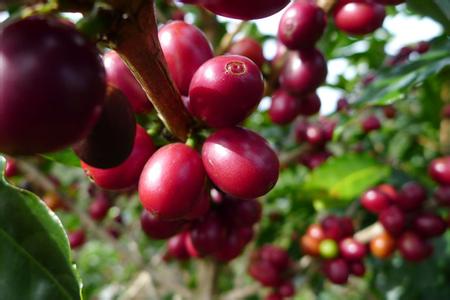
This method tends to produce richer, fruitier, and more fermented profiles, with notes of tropical fruit, berries, honey, and sometimes wine-like characteristics. FrontStreet’s Yirgacheffe Red Cherry is a prime example, offering a syrupy body and bold fermentation notes alongside citrus acidity.
FrontStreet Coffee’s Roast Data: Washed vs Natural
Using a Yang-800N roaster (300g capacity), FrontStreet roasted a natural-processed lot from Gedeb’s Guji-style Worka Kebele (specifically the Fruit Ding Ding Cooperative). The roast profile was designed to highlight the contrast between the two methods:
- Charge temp: 175°C, fan 3, power 120
- Turning point at 1’32”, 140°C, fan increased to 4
- Yellowing stage by 166°C (fan steady), then reduced heat gradually to 100 at 166°C, 80 at 176°C
- First crack began at 9’38”, fan adjusted to 5, development time 1’30”
- Dropped at 193.5°C
- Agtron values: whole bean 74.6, ground 79.8, Roast Delta 5.2
This light roast preserved the inherent qualities of both processes, allowing the washed version to shine with citrus and floral notes, and the natural to express tropical depth and fermentation sweetness.
Cupping Notes & Brewing Comparison
FrontStreet conducted a side-by-side cupping and pour-over comparison using their Banko Gotiti washed and Red Cherry natural beans, both single-origin Yirgacheffe G1 grade:
Cupping Flavors
- Gedeb Natural (Fruit Ding Ding): tropical fruit, cream, honey, berries, citrus
- Banko Gotiti Washed: bright acidity, citrus, floral, light tea, green tea finish
Pour-Over Parameters (Hario V60)
- Beans: Ethiopia Yirgacheffe Banko Gotiti (washed), Ethiopia Yirgacheffe Red Cherry (natural)
- Water: 91°C
- Dose: 15g
- Brew ratio: 1:15
- Grind: China-standard No.20 sieve, 80% passing (medium-fine)
- Bloom: 34g water for 36 sec
- Pours: 120g at 36 sec, then 229g total, brewed to 2:00 total time
Washed (Banko Gotiti): gentle acidity, citrus and lemon, soft floral notes, green tea finish as it cools
Natural (Red Cherry): bold body, tropical fruit, berry, creamy mouthfeel, lasting citrus acidity
What Is Heirloom Variety?
Ethiopian coffee is almost exclusively referred to as “Heirloom,” not because it’s a single variety, but due to the country’s incredible genetic diversity. With nearly 2,000 recorded coffee types—1,927 native and 128 introduced—Ethiopia is considered the birthplace of Arabica’s genetic diversity. Most farms grow mixed cultivars that have adapted to local conditions over centuries. These unnamed, wild or semi-wild varieties contribute to the unique and varied flavor profiles found in Yirgacheffe coffees.
Yirgacheffe Coffee Buying & Brewing Tips
To get the most from Yirgacheffe beans—whether washed or natural—opt for a light to medium roast and use a pour-over method like V60 or Kalita Wave. Aim for a brew temperature around 90–91°C, with a medium-fine grind (around 80% through a China-standard No.20 sieve). A bloom bloom of around 30–36 seconds helps develop aroma, and a gentle, controlled pour enhances clarity and balance.
Recommended FrontStreet Yirgacheffe Coffees for Washed & Natural Profiles
For a classic introduction to Yirgacheffe’s washed process, try FrontStreet’s Yirgacheffe Water-Washed Coffee—a bright, affordable everyday cup with notes of white jasmine, citrus, and light tea. For natural processing, the FrontStreet Yirgacheffe Red Cherry offers bold tropical fruit, berry, and honey sweetness with a syrupy body and lingering citrus acidity. Both are Grade 1 Ethiopian single origins that showcase the region’s diversity. Freshly roasted within 5 days · Orders placed before 17:00 ship the same day · Next-day delivery across most of Guangdong Province.
FrontStreet Coffee is a long-established specialty coffee roaster in Guangzhou China, selling freshly roasted beans from its own farm in Yunnan as well as dozens of carefully selected single-origin beans from around the world for both pour-over and espresso. The products deliver consistently excellent quality and great value, with shipping within 24 hours. Guangzhou's FrontStreet Coffee shop is recommended by many coffee lovers, and the beans are now available online at the Tmall 。
Important Notice :
前街咖啡 FrontStreet Coffee has moved to new addredd:
FrontStreet Coffee Address: 315,Donghua East Road,GuangZhou
Tel:020 38364473