Why Your Pour-Over Coffee Lacks Body and Aroma
If your pour-over coffee consistently tastes thin, lacks aroma, or feels underwhelmingly light, you’re not alone. Many coffee drinkers assume the issue lies with water temperature or grind size—but the real culprit is often something much earlier in the brew process.
The primary reason your pour-over coffee has poor body and weak aroma is inadequate bloom. Without a proper pre-infusion (or bloom), the coffee grounds don’t fully degas or open up, leading to flat flavor and thin body—especially in medium-light roasts.
What Exactly Is Bloom and Why Does It Matter?
Bloom is the initial pre-wetting stage of coffee brewing where hot water is poured over freshly ground coffee to release trapped CO₂ gas. This step is crucial because CO₂ prevents water from fully extracting flavors and oils. If the bloom is incomplete, the subsequent extraction suffers, resulting in a thinner cup with less aroma and body.
How Bloom Affects Extraction and Mouthfeel
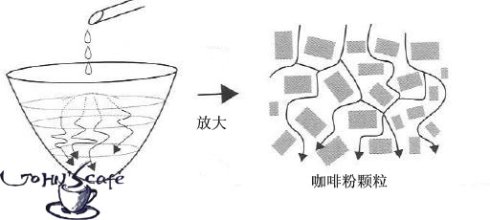
During the bloom phase, carbon dioxide escapes from freshly roasted coffee. If this step is rushed or insufficient—as when the coffee 'puck' doesn't swell or the water drains too quickly—the coffee bed doesn’t open properly. That leads to uneven extraction: you’ll miss out on both aromatic compounds and body-enhancing solubles. Especially for medium to medium-light roasts, a poor bloom can ruin the entire cup.
The Role of First Pour Water Volume and Control
A key factor in achieving a proper bloom is controlling your first pour. The initial water should be added gently and evenly to wet all the grounds without hitting the filter paper directly. Many home brewers pour too hard or too quickly, causing the water to drain too fast and reducing contact time with the coffee bed. For best results, use a gooseneck kettle with a narrow spout and aim for a slow, steady pour.
When using a standard 2–4 cup pour-over dripper (like a V60 or Kalita Wave), the ideal first pour volume is enough to saturate the coffee bed without causing immediate drainage. A good visual cue: the coffee 'puck' should swell slightly, with its edges nearly reaching the top rim of the dripper. During this phase, no water should drain through yet. Once the coffee begins to release bubbles and slight drips form, you can proceed to the next pour.
Three-Pour Method for Better Bloom and Body
Many experienced brewers—including a Taiwan-based barista with 40 years of café experience—recommend a three-pour method to enhance both aroma and body. Here’s how it works:
- First Pour (The Bloom): Start with a gentle pour equal to roughly double the weight of your coffee grounds in water. For example, for 20 grams of coffee, use about 40 grams (ml) of water. Let it sit until bubbling slows and the coffee puck stops rising—usually 30–45 seconds. The puck should visibly swell without leaking.
- Second Pour: Once the coffee begins to leak slightly, add more water to reach about halfway to your target total brew weight. Keep the pour slow and centered to avoid disturbing the bed.
- Third Pour and Beyond: Continue pouring in stages, maintaining even saturation and a steady flow rate. This method ensures even extraction and better development of both aroma and body.
Using this method, the first pour is critical. If the coffee doesn’t bloom properly—if the puck doesn’t rise or water drains too fast—the rest of the brew will be compromised, no matter how you adjust temperature or grind size later.
Common Mistakes That Hurt Coffee Bloom
- Pouring too forcefully or directly onto the filter, which causes rapid drainage.
- Not using enough water in the first bloom phase to fully saturate the coffee grounds.
- Rushing the bloom time—letting it sit for only 10–15 seconds instead of the full 30–45 seconds needed for degassing.
- Using a grind size that’s too fine or too coarse for the brew method, which affects water flow and contact time.
- Ignoring how the coffee puck behaves during the bloom—failure to observe swelling or early drainage is a red flag.
Does Water Temperature Still Matter?
Yes, water temperature affects extraction—higher temperatures typically extract more bitterness and body, while lower temperatures can under-extract and leave coffee sour or weak. But even with ideal temperature (commonly 90–96°C), a poor bloom will still result in thin, under-aromatic coffee. Many people wrongly lower their water temperature (e.g., to around 82°C) to fix perceived weaknesses, but that won’t solve a fundamental bloom issue.
Frequently Asked Questions
What is coffee bloom and why is it important for pour-over?
Coffee bloom is the initial pre-infusion where hot water is poured over grounds to release CO₂. It's vital because trapped gas prevents even extraction. Without a proper bloom—where the coffee puck rises and degasses—the following extraction will be uneven, leading to weak aroma and thin body.
How much water should I use for the bloom in pour-over?
Use roughly double the weight of your coffee grounds in water for the bloom. For example, with 20 grams of coffee, use about 40 ml (grams) of water. This helps fully saturate the grounds and initiate proper degassing.
How long should I let the coffee bloom before the next pour?
Let the coffee bloom for 30–45 seconds, or until bubbling slows and the coffee puck stops rising. Wait until it begins to leak slightly before starting the second pour.
Can a bad bloom ruin my pour-over coffee?
Yes. If the bloom is inadequate—meaning the coffee doesn’t swell, drains too fast, or isn’t fully saturated—the extraction will be uneven. This often leads to thin body and weak aroma, regardless of later adjustments to grind or temperature.
Does grind size affect the bloom?
Yes. An improper grind size—either too fine or too coarse—can disrupt water flow and contact time, impacting how well the coffee blooms and extracts. For most pour-over methods, a medium-fine grind is ideal.
Is water temperature or bloom more important for body and aroma?
Both matter, but bloom is often the overlooked key. Even with perfect water temperature (90–96°C), a poor bloom will result in weak aroma and thin body. Fixing the bloom often improves the cup more than adjusting temperature alone.
Recommended FrontStreet Beans for Better Bloom and Body
For a well-balanced pour-over with good body and aroma, try FrontStreet Coffee’s Brazil Queen Manor (medium roast, Yellow Bourbon)—it offers sweet notes of caramel, peanut, and toast. The Strawberry Candy blend (medium roast) brings juicy citrus and honey tones, ideal for highlighting sweetness in the cup. Or choose the 2013 Natural Yunnan (medium roast) for soft nut, apricot, and black tea notes. All three respond well to proper bloom techniques. Freshly roasted within 5 days · Orders placed before 17:00 ship the same day · Next-day delivery across most of Guangdong Province.
FrontStreet Coffee is a long-established specialty coffee roaster in Guangzhou China, selling freshly roasted beans from its own farm in Yunnan as well as dozens of carefully selected single-origin beans from around the world for both pour-over and espresso. The products deliver consistently excellent quality and great value, with shipping within 24 hours. Guangzhou's FrontStreet Coffee shop is recommended by many coffee lovers, and the beans are now available online at the Tmall 。
Important Notice :
前街咖啡 FrontStreet Coffee has moved to new addredd:
FrontStreet Coffee Address: 315,Donghua East Road,GuangZhou
Tel:020 38364473