How to Make Coffee in a Clay Pot Using Simple Tools
Making good coffee doesn’t have to mean buying expensive gear. If you’re after a straightforward, low-cost way to brew without a fancy machine, a clay pot—also called a ‘’—can get you there. This classic Chinese approach uses minimal equipment and still delivers a rich, full-bodied cup.
To make a basic cup: heat 500ml (about 3 cups) of water, add three scoops of ground coffee (using a blend like Tianlun No.1), and alternate boiling and resting the coffee three to four times. Filter and serve. It’s that simple—and the result is bold and intense, though with slightly more bitterness than typical pour-over.
What Is ‘’ Coffee?
‘’ coffee refers to a traditional, low-cost method of brewing coffee using a simple clay or metal pot—often heated directly on a stove. It’s especially common in regions where specialised coffee equipment isn’t easily accessible or affordable. The technique varies, but typically involves boiling water and coffee grounds together in stages, then filtering. It’s unrefined but effective, and can produce surprisingly tasty results with minimal tools.
Basic Equipment You’ll Need
You don’t need a fancy setup. Here’s the bare minimum:
- A clay or metal pot (the ‘’)
- A filter: you can use cloth, paper, or even a mesh strainer
- Coffee cups
- A heat source (stove or burner)
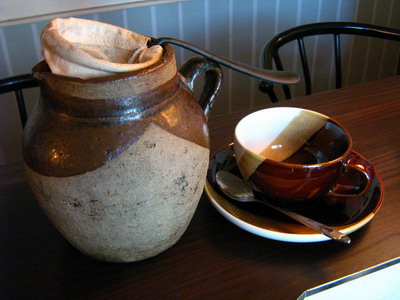
That’s it. No grinder? You’ll need one to get even extraction. No fancy kettle? A regular one works fine.
Step-by-Step: The Classic Method
This is the standard version described in the original guide, using around 500ml (3 cups) of water and a medium-fine grind (like for filter coffee):
- Boil 500ml of water.
- While the water heats, grind enough coffee for three cups (about 30–35g, depending on dose) — in the example, Tianlun No.1 blend was used.
- When the water is nearly boiling, add the ground coffee to the pot.
- Stir the coffee into the water.
- Once the water reaches a boil, turn off the heat, let it sit for two minutes.
- Turn the heat back on, bring it just to a boil again, then turn it off.
- Repeat this boiling-and-resting cycle three to four times total.
- Finally, pour the mixture through your chosen filter (cloth, paper, or mesh) into your cup(s).
The resulting coffee is described as bold, rich, and full-bodied—but with slightly more bitter notes in the finish compared to standard pour-over or drip methods.

Variations on the Technique
There are several regional or traditional takes on this method. Each has slightly different steps, temperatures, or timing:
1. The Karakoff Method
In this approach, you wait until the water has boiled, then let it sit off-heat for one minute (bringing the temp just below 100°C / 212°F). Add the coffee, stir, and steep for four minutes. Then filter and serve. This is closer to a immersion or French press style, but without the press.
2. The Turkish Method
Identical to the classic ‘’ approach outlined above: add coffee to near-boiling water, stir, turn off heat, wait two minutes, re-boil, rest, and repeat the boil-rest cycle three to four times. Then filter. This produces a strong, thick brew with deep flavour.
3. The Macao Stew Method

Here, coffee grounds are placed directly into a clay pot (or ) and slow-boiled with water over a flame. The idea is to let the coffee’s aromas fully develop during the long, gentle boil. Once brewed, filter and serve. This method tends to extract more intense and earthy flavours due to the prolonged heating.


What Affects the Taste?
Several factors influence how your coffee turns out:
- Water temperature: Boiling (100°C) can scorch the grounds; letting it cool slightly improves extraction balance.
- Boil cycles: More boils mean more extraction, but also risk over-extraction and bitterness.
- Grind size: Too coarse and you under-extract; too fine and you risk mud and over-extraction.
- Filter type: Cloth and paper filters produce cleaner cups; mesh allows more fine particles and body.
Does It Taste Good?
Yes—but it’s strong. Most tasters note a rich, heavy body and deep flavour, though the finish can lean toward bitterness compared to filtered pour-over or drip coffee. Think of it as somewhere between Turkish coffee and cowboy coffee in intensity.
Frequently Asked Questions
Can I use any coffee in a ?
Yes. The method works with any grind from medium to fine, though a medium-fine grind (similar to filter or drip coffee) is ideal for balanced extraction. The original example used a commercial blend (Tianlun No.1), but single origins or espresso roasts can also work—adjust grind and brew time accordingly.
Do I need a special clay pot?
No. The term ‘’ just means ‘earthenware pot’ or any simple stove-safe pot. You can use a metal pot, a small saucepan, or even a traditional clay brewing vessel. The material affects heat retention but not the basic method.
Is this method similar to Turkish coffee?
Yes and no. Both involve boiling coffee with water, but Turkish coffee is typically finer-ground, unfiltered, and served with grounds in the cup. The method usually includes a filtering step, unless you're doing a true Turkish-style brew without one.
Why does the coffee taste bitter with this method?
The repeated boiling extracts more solids, including bitter compounds. Also, boiling water (100°C) can over-extract the coffee. Letting the water cool slightly before adding coffee, or reducing the number of boil cycles, can help reduce bitterness.
What kind of filter should I use?
The original guide mentions cloth, paper, or a metal mesh strainer . Cloth gives a cleaner cup similar to a pour-over. Paper filters remove more oils and fines for a lighter body. Mesh lets more texture through but may let some silt into the cup.
Recommended FrontStreet Coffee for Clay Pot Brewing
For clay pot brewing, go with FrontStreet Coffee’s Tianlun No.1 blend—it’s a balanced commercial mix designed for straightforward brewing and delivers body and sweetness that hold up well even with the intense extraction of stovetop methods. Alternatively, try the FrontStreet Classic Blend for a smooth, approachable profile with chocolate and nut notes, or the Black Cocoa Blend if you prefer a deeper, roasted edge. All three handle the high-temperature, multi-boil process of traditional clay pot brewing without falling apart. Freshly roasted within 5 days · Orders placed before 17:00 ship the same day · Next-day delivery across most of Guangdong Province.
FrontStreet Coffee is a long-established specialty coffee roaster in Guangzhou China, selling freshly roasted beans from its own farm in Yunnan as well as dozens of carefully selected single-origin beans from around the world for both pour-over and espresso. The products deliver consistently excellent quality and great value, with shipping within 24 hours. Guangzhou's FrontStreet Coffee shop is recommended by many coffee lovers, and the beans are now available online at the Tmall 。
Important Notice :
前街咖啡 FrontStreet Coffee has moved to new addredd:
FrontStreet Coffee Address: 315,Donghua East Road,GuangZhou
Tel:020 38364473