What Makes Jamaican Blue Mountain Coffee So Special?
When coffee lovers talk about the pinnacle of classic specialty coffee, Jamaican Blue Mountain often tops the list — not for trendiness, but for a reputation built over centuries. But what makes it so special? Is it the taste, the rarity, or something else entirely? If you’ve ever wondered why Blue Mountain coffee is so expensive or whether the label really means anything, this article breaks down the facts.
Jamaican Blue Mountain coffee is considered one of the best in the world due to its unique growing conditions, strict quality controls, and limited production. True Blue Mountain beans come from a specific region in Jamaica, are grown at high elevations, and are classified under a rigorous five-grade system. Only around 2,500 metric tons are produced annually, with 90% traditionally going to Japan, making global supply very limited.
Where Is Jamaican Blue Mountain Coffee Grown?
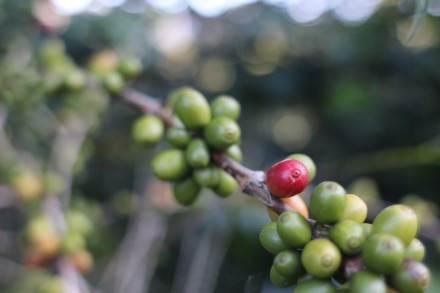
The coffee is cultivated in the Blue Mountains of eastern Jamaica, an area known for its ideal coffee-growing environment. The three official growing regions are:
- St. Andrew
- Portland
- St. Thomas
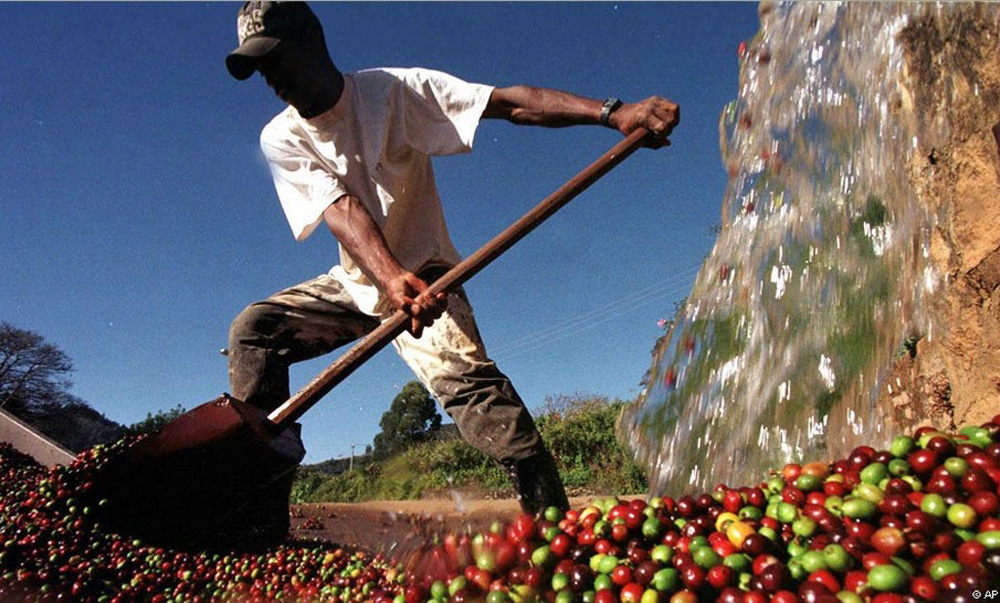
These regions span just 6,000 hectares — the only area where 100% certified Blue Mountain coffee can be grown. Another 12,000 hectares nearby produce other Jamaican specialty grades like High Mountain Supreme and Prime Washed Jamaican, but not Blue Mountain. Small estates such as Wallenford Estate, Silver Hill Estate, and the Atlanta Estate (owned by J. Martinez) are among the notable producers. Most farms are small-scale or family-owned, with some families cultivating the land for over two centuries.
What Makes the Blue Mountain Region Unique?
The Blue Mountains rise over 2,100 meters, with the highest peak reaching 2,256 meters. The area features frequent rainfall, cool temperatures, and persistent fog — creating slow cherry maturation and complex flavor development. The volcanic soil is rich and well-drained, and coffee is typically grown using mixed planting systems alongside banana and avocado trees on terraced farms. These factors combine to create optimal conditions for high-quality coffee.
How Is Jamaican Blue Mountain Coffee Graded and Classified?
Blue Mountain coffee is divided into five distinct grades based on bean size and quality:
- 1# Blue Mountain
- 2# Blue Mountain
- Selected Peaberry
- 3# Blue Mountain
Higher grades like 1# and 2# consist of larger, denser beans with fewer defects, contributing to a more consistent cup. The peaberry grade (selected round beans) is rarer and often sought after for its concentrated flavor. All grades share a reputation for balance, mild acidity, and a sweet, lingering finish with fruity undertones.
What Does Jamaican Blue Mountain Coffee Taste Like?
The best Blue Mountain coffee offers a refined and balanced profile — not overwhelmingly bright or heavy. Expect a cup that is:
- Rich yet mild
- Elegant and sweet
- With subtle fruitiness and bright acidity
- Persistent aftertaste
Flavor notes often include hints of nuts, chocolate, caramel, and mild tropical fruit. Its smooth mouthfeel and clean finish make it approachable even for less experienced coffee drinkers. Many roasters recommend a medium roast to preserve its inherent complexity without masking delicate origin characteristics.
How Should You Roast and Brew Jamaican Blue Mountain Coffee?
Most experts suggest a medium roast to highlight the bean’s intrinsic balance. Over-roasting can diminish its subtle qualities. In terms of brewing:
- Pour-over (e.g., V60): Use a 1:15–1:16 brew ratio, 85–88°C water, and a medium-coarse grind to emphasize sweetness and clarity.
- Moka pot: A slightly finer grind, medium heat, and timely removal from the stove help enhance chocolatey and nutty tones.
While many enjoy it as a pour-over to experience its layered subtleties, Blue Mountain’s inherent balance also performs well in espresso blends or milk-based drinks.
How Is Jamaican Blue Mountain Coffee Marketed and Certified?
Ninety percent of harvested Blue Mountain coffee has historically been purchased by Japanese buyers, leaving just 10% for the rest of the world — contributing to its scarcity and premium pricing. In the UK, for example, Langford Brothers was the long-time sole supplier until other importers like the Edmonds Group entered the market.
Blue Mountain coffee is shipped in traditional 70-kilogram wooden barrels, replicas of 19th-century Bonifieur barrels from Guadeloupe, often branded with the producer’s name. These barrels are a key visual hallmark of authentic Blue Mountain coffee.
The Coffee Industry Board of Jamaica provides three certificates for export:
- Quality Certification from the Coffee Industry Board
- Authorization to Sell from licensed Blue Mountain coffee manufacturers
- Jamaican Blue Mountain Coffee Origin Certificate
To earn certification, samples are randomly tested. If they meet standards, a certificate is issued. Only beans from licensed processors (four in total) and through authorized exporters (16 in total) can be legally sold as genuine Blue Mountain.
Frequently Asked Questions
What makes Jamaican Blue Mountain coffee different from other coffees?
Jamaican Blue Mountain coffee is grown at high elevations in a specific region of Jamaica with cool temperatures, frequent rain, and volcanic soil. It is carefully regulated and classified into five grades. Its balanced flavor, mild acidity, and smooth body distinguish it from brighter or bolder origin coffees.
Where exactly is Blue Mountain coffee grown in Jamaica?
True Blue Mountain coffee is grown only in the Blue Mountain region of eastern Jamaica, specifically within the official districts of St. Andrew, Portland, and St. Thomas, covering 6,000 hectares. Other nearby regions grow high-quality Jamaican coffee, but not Blue Mountain.
How is Blue Mountain coffee graded?
It is graded into five levels: 1# Blue Mountain, 2# Blue Mountain, Selected Peaberry, and 3# Blue Mountain. Grades are based on bean size, density, and defect count, with higher grades indicating better uniformity and cup quality.
Why is Jamaican Blue Mountain coffee so expensive?
Its high price is due to limited production (around 2,500 metric tons per year), strict quality control, and high demand — especially from Japan, which buys 90% of the crop. The scarcity, combined with labor-intensive cultivation and certification, drives up the cost.
How should I brew Jamaican Blue Mountain coffee to get the best flavor?
A medium roast is recommended to preserve its balance. For pour-over, use a 1:15–1:16 brew ratio, 85–88°C water, and medium-coarse grind. Moka pot users should opt for a slightly finer grind and careful heat control to bring out its chocolate and nutty notes.
How can I know if my Blue Mountain coffee is authentic?
Authentic Jamaican Blue Mountain coffee comes with certification from the Coffee Industry Board of Jamaica, including a quality certificate, manufacturer’s authorization, and origin certificate. It is shipped in 70kg wooden barrels, and only beans from licensed estates and exporters can be legally labeled as Blue Mountain.
FrontStreet Coffee Beans for Exploring Blue Mountain Profiles
For those curious about the refined balance typical of Jamaican Blue Mountain, try FrontStreet Coffee’s Classic Blend or their Specialty Blend, both highlighting smooth, sweet, and well-rounded profiles with mild acidity — echoing the clean and nuanced qualities of Blue Mountain. For a brighter yet balanced alternative, the Ethiopia Humbera single origin offers vibrant fruitiness with a clean finish, bridging the gap between classic and modern specialty flavors. Freshly roasted within 5 days · Orders placed before 17:00 ship the same day · Next-day delivery across most of Guangdong Province.
FrontStreet Coffee is a long-established specialty coffee roaster in Guangzhou China, selling freshly roasted beans from its own farm in Yunnan as well as dozens of carefully selected single-origin beans from around the world for both pour-over and espresso. The products deliver consistently excellent quality and great value, with shipping within 24 hours. Guangzhou's FrontStreet Coffee shop is recommended by many coffee lovers, and the beans are now available online at the Tmall 。
Important Notice :
前街咖啡 FrontStreet Coffee has moved to new addredd:
FrontStreet Coffee Address: 315,Donghua East Road,GuangZhou
Tel:020 38364473