What’s the Difference Between Black Coffee and White Coffee?
When you hear 'black coffee' and 'white coffee,' your first thought might be about color—but in specialty and regional coffee cultures, those terms mean much more. Whether you’re sipping a strong espresso or grabbing an instant mix while traveling, the difference between black and white coffee isn’t always obvious. So what really sets them apart?
In short: black coffee means any coffee served without additives—like espresso, pour-over, or Americano—while white coffee generally refers to coffee mixed with milk or sweeteners. But there’s more to the story, including a famous Malaysian export and a cult Australian favorite.
Black Coffee: The Pure Foundation
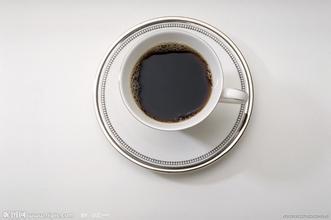
Black coffee is the simplest and most direct way to enjoy brewed coffee. By definition, it includes nothing but water and extracted coffee—no milk, sugar, syrups, or flavorings. Common examples include:
- Espresso (Single or Double)
- Americano (Espresso + hot water)
- Pour-over (e.g., V60, Kalita Wave)
- Cold brew
- French press
These drinks let the inherent flavors of the coffee bean shine. At specialty coffee shops, 'black coffee' is the baseline for evaluating roast quality, origin character, and brewing skill.
The Australian Take on 'White Coffee'

In Australia, the terms 'black coffee' and 'white coffee' take on a different meaning. Here’s how locals classify them:
- Short Black: A standard 30ml shot of espresso.
- Long Black: A double shot of espresso with hot water added—similar to an Americano but built differently for better crema retention.
- White Coffee: Any espresso-based drink that includes milk, such as a latte, cappuccino, or particularly, a flat white.

The flat white, often misunderstood outside Australia and New Zealand, is a key part of this 'white coffee' category. It’s made with a ristretto shot (a more concentrated, sweeter espresso pulled with less water) and a small amount of velvety microfoam. The result? A richer, smoother coffee with pronounced sweetness and body.
Contrary to some international interpretations, a 'flat white' is not simply a small latte. It’s defined by its ristretto base and tighter milk texture. Many coffee drinkers outside Australia first encounter 'white coffee' through this drink—leading to the common but narrow association of 'white coffee' with milk-forward espresso beverages.
Malaysian White Coffee: A Regional Specialty
Then there’s the other well-known 'white coffee'—the one from Malaysia. Unlike the Australian version, Malaysian white coffee is usually a pre-packaged instant drink. Its origins trace back to Chinese-Malaysian immigrants and it has become a staple of local coffee culture.

Here’s what makes it unique:
- It’s a blend of three coffee species: Liberica, Arabica, and Robusta.
- The beans are roasted to an oily, dark finish.
- After brewing, the coffee extract is mixed with sugar and non-dairy creamer (milk powder or whitener).
- The final product is sold as instant coffee powder, ready to dissolve in hot water.

This style of white coffee is extremely common in Malaysia. You’ll find it in hawker stalls, convenience stores, and homes across the country. It’s often served in ‘kopitiams’ (local coffee shops) alongside traditional kaya toast. The added sweetener and creamer give it a mellow, dessert-like profile that contrasts with the boldness of black coffee.
So, What Actually Defines 'White Coffee'?
The meaning of 'white coffee' depends entirely on context:
| Region | Type | Main Ingredients | Key Characteristics |
|---|---|---|---|
| Australia | White Coffee | Espresso + Milk | Milk-based coffee drinks like lattes & flat whites |
| Malaysia | White Coffee | Blended beans (Liberica, Arabica, Robusta) + Sugar + Creamer | Sweet, creamy instant coffee |
| Global Specialty Context | Black Coffee | Water + Coffee Only | No additives; highlights bean flavor |

In short, 'white coffee' may refer to either a milk-containing espresso drink or a sweetened instant blend. The only common thread? The presence of some form of 'whitening' agent—be it steamed milk or dairy-style additives.
Frequently Asked Questions
Is white coffee just black coffee with milk?
Not always. While adding milk to black coffee does make it 'white' in color, in specialty usage, 'white coffee' can also mean a specific style, especially in Australia where it refers to espresso with milk (like a flat white). In Malaysia, it’s a completely different product—an instant blend of Robusta, Arabica, and Liberica with added sugar and non-dairy creamer.
What is a flat white, and is it the same as a latte?
A flat white is a coffee originating from Australia and New Zealand, made with a ristretto shot (stronger and sweeter than a regular espresso) and a small amount of velvety microfoam. It differs from a latte in both milk texture and coffee strength. While both have espresso and milk, the flat white has a richer, more concentrated flavor with a tighter foam structure.

What kind of coffee is used in Malaysian white coffee?
Traditional Malaysian white coffee is made from a blend of three coffee species: Liberica, Arabica, and Robusta. The beans are dark roasted until oily, then brewed and mixed with sugar and milk powder or non-dairy creamer. This creates a sweet, smooth, and creamy instant coffee that’s very different from freshly brewed black coffee.
Why is it called 'white coffee' if it’s not white in color?
The term 'white coffee' refers to the addition of milk or whitening agents (like creamer or milk powder) rather than the actual color of the coffee. In both the Australian and Malaysian contexts, 'white' signifies the presence of these ingredients, not a literal color.
Is Malaysian white coffee considered specialty coffee?
No, Malaysian white coffee is typically a mass-produced instant coffee blend containing sugar and non-dairy creamer. It’s popular as a convenient, sweetened drink but doesn’t fall under the specialty coffee category, which emphasizes high-quality beans, precise brewing, and minimal additives.
Recommended FrontStreet Beans for Black & Milk Coffee
For lovers of both black and milk-based coffees, try FrontStreet’s Ethiopia Huakui for bright floral black coffee notes, or their Classic Blend for a balanced cup that works well black or with steamed milk. Their Sunflower Sunshine Blend offers a sweet, nutty profile ideal for lattes or flat whites. All three showcase different dimensions of coffee flavor—perfect for exploring the spectrum from pure black to creamy white. Freshly roasted within 5 days · Orders placed before 17:00 ship the same day · Next-day delivery across most of Guangdong Province.
FrontStreet Coffee is a long-established specialty coffee roaster in Guangzhou China, selling freshly roasted beans from its own farm in Yunnan as well as dozens of carefully selected single-origin beans from around the world for both pour-over and espresso. The products deliver consistently excellent quality and great value, with shipping within 24 hours. Guangzhou's FrontStreet Coffee shop is recommended by many coffee lovers, and the beans are now available online at the Tmall 。
Important Notice :
前街咖啡 FrontStreet Coffee has moved to new addredd:
FrontStreet Coffee Address: 315,Donghua East Road,GuangZhou
Tel:020 38364473