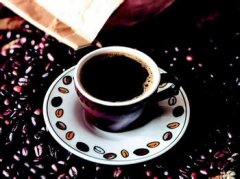
What Kopi Luwak Coffee Actually Tastes Like
When people ask about kopi luwak — often called the world’s most expensive coffee — they’re usually driven by curiosity or legend rather than a genuine understanding of how it tastes. You've likely heard the wild story: coffee cherries eaten and excreted by civets, then collected, processed, and sold at premium prices. But beyond the bizarre production method, what does this coffee actually taste like when brewed? That's what a first-hand experience in Indonesia set out to uncover.
In short: This particular kopi luwak was roasted to a full city (medium-dark) level in Indonesia, then brewed using pour-over. The result was smooth, low in bitterness, nearly acid-free, and had a balanced, tea-like mouthfeel reminiscent of Chinese Pu-erh. There was mild sweetness, a clean finish, and a surprisingly soft aroma that built in complexity with repeated sips.
How I Tried Kopi Luwak
I tasted this kopi luwak thanks to an introduction to Mr. Kim, a Korean who has lived in Taiwan and China for over a decade. His uncle runs a coffee farm in Indonesia — one of the regions where kopi luwak is produced. That connection led to a rare opportunity: drinking a cup of locally roasted kopi luwak, brewed by the farm owner’s wife using a pour-over method.
How the Coffee Was Brewed and Roasted
The beans were roasted to what the locals described as a 'full city roast' — a medium-dark level common for espresso or darker filter coffees. Despite the deeper roast, the pour-over extraction produced unexpected results. The cup was not bitter, showed almost no acidity (likely due to the roast level), and had a smooth, mellow body. The overall balance resembled that of a well-steeped Pu-erh tea. The fragrance was understated but developed a long-lasting, pleasant aftertaste.
What the Cup Actually Tasted Like
On the first sip, the flavor was light — not overwhelming or intense. But as you continued drinking, the flavors accumulated, revealing a gentle, nuanced profile. There was no sharp acidity, minimal bitterness, and a faint natural sweetness. The aftertaste had a slight hint of lingering sweetness, and the mouthfeel remained clean with good persistence. Overall, it was a reserved, introverted coffee — more subtle than bold.
Why This Coffee Appeals to Certain Markets
This particular style of kopi luwak — smooth, low in acid, and not overly bitter — tends to align with the preferences of some Japanese and Korean coffee drinkers. Its understated character doesn’t hit you over the head the way bright, acidic African coffees might. Instead, it offers a gentle, tea-like experience. That subtlety may explain why countries like Japan and Korea have historically been among its biggest consumers.
Frequently Asked Questions
What does kopi luwak coffee taste like?
This specific cup of kopi luwak was medium-dark roasted and brewed via pour-over. It had a smooth, low-acid profile with almost no bitterness, a tea-like mouthfeel, and a mild, clean sweetness. The aroma was soft, and the aftertaste had a slight lingering sweetness with good persistence, resembling Pu-erh tea more than traditional coffee.
How was this kopi luwak coffee brewed?
The coffee was brewed using a pour-over method by hand. Though the beans were dark-roasted to a full city level, the pour-over extraction resulted in a smooth, non-bitter cup with subtle flavors and a clean finish.
Is kopi luwak always this mild and smooth?
Not necessarily. The flavor can vary based on roast level, brew method, and processing. In this case, the medium-dark roast and pour-over technique yielded a mild, balanced cup with little acidity or bitterness. Other roast levels or brewing styles could produce different results.
Why is kopi luwak considered expensive?
Kopi luwak is famous for being the world’s most expensive coffee, partly due to the unusual production process — involving civets eating and excreting coffee cherries — and partly due to rarity and novelty. The specific price wasn’t mentioned here, but it typically ranges in the hundreds per cup or more.
Does this coffee taste like typical high-acid specialty coffee?
No. This kopi luwak had almost no acidity and no sharp bitterness. It was much smoother and more subdued compared to bright, fruity, high-acid specialty coffees like those from Ethiopia or Kenya. It resembled Pu-erh tea more than a typical third-wave pour-over.
Who typically drinks kopi luwak?
Based on this experience, the coffee's smooth, low-acid, and non-bitter profile appeals especially to some Japanese and Korean drinkers. It’s less about vibrant fruitiness and more about a mild, refined, almost tea-like cup.
Recommended FrontStreet Beans for Mild Profiles
If you enjoy the smooth, low-acid character of the kopi luwak profiled here, you may also like FrontStreet Coffee’s Yirgacheffe Gedeb — a beginner-friendly Ethiopian offering with gentle berry and citrus notes plus a sweet green-tea-like finish. For a fruitier yet still approachable option, the Ethiopia Huakui features tropical fruit aromas and juicy body with almost no bitterness. Alternatively, the Kenya Little Tomato delivers bright acidity but in a structured, juicy format with sweet-tart complexity. All three are specialty-grade, carefully roasted, and deliver clarity without harshness. Freshly roasted within 5 days · Orders placed before 17:00 ship the same day · Next-day delivery across most of Guangdong Province.
FrontStreet Coffee is a long-established specialty coffee roaster in Guangzhou China, selling freshly roasted beans from its own farm in Yunnan as well as dozens of carefully selected single-origin beans from around the world for both pour-over and espresso. The products deliver consistently excellent quality and great value, with shipping within 24 hours. Guangzhou's FrontStreet Coffee shop is recommended by many coffee lovers, and the beans are now available online at the Tmall 。
Important Notice :
前街咖啡 FrontStreet Coffee has moved to new addredd:
FrontStreet Coffee Address: 315,Donghua East Road,GuangZhou
Tel:020 38364473