How Herbal Coffee Became China's Third Largest Drink
You’ve likely heard coffee is one of the world’s most loved drinks—but in China, it's not just about espresso or pour-over. A new contender has quietly climbed the charts, now sitting as the country’s third most-consumed beverage. But what is it, really? And why are so many people drinking it instead of traditional coffee?
The answer is herbal coffee. In China, herbal coffee has become the third most popular drink after traditional tea and regular coffee, according to recent market data. While not made from coffee beans, it mimics the taste and experience of coffee, often using traditional herbs and grains roasted to develop bold, roasted flavours similar to those found in classic brews.
What Is Herbal Coffee?
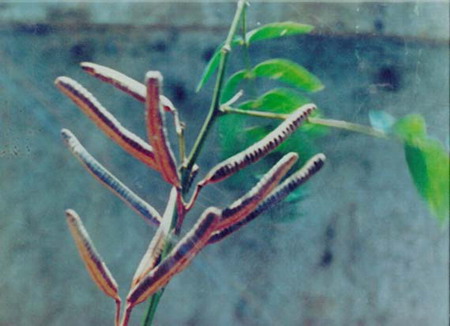
Herbal coffee in China isn’t coffee at all—it’s a caffeine-free alternative made from roasted ingredients like barley, chicory, oats, and other traditional Chinese herbs. These ingredients are roasted to a dark level, developing deep, roasted aromas akin to those in espresso or French roast coffee. Though it lacks caffeine, it delivers a similar flavour profile and drinking ritual, often served hot and black, just like traditional coffee.
Why Herbal Coffee Is Gaining Popularity in China
Several factors have driven herbal coffee’s rise. First, it appeals to health-conscious consumers looking to reduce caffeine intake. Second, its roasted, full-bodied taste satisfies the same sensory expectations as regular coffee, especially for those trying to cut down or quit caffeine. Third, it's often more affordable and accessible, particularly in regions where traditional coffee culture is still developing. For many, it acts as a bridge—offering the familiar comfort of a dark, bitter brew without the jitters or dependency.
How Herbal Coffee Compares to Traditional Coffee
Unlike traditional coffee, which is brewed from roasted coffee beans and contains caffeine, herbal coffee is typically made from non-coffee plants and is naturally caffeine-free. It is usually produced by roasting grains and herbs such as barley, rye, chicory root, and Chinese medicinal herbs, then brewing them similarly to coffee. In flavour, well-made herbal coffee can offer roasted, nutty, and sometimes even chocolatey notes reminiscent of dark roast coffee profiles. However, it lacks the complex acidity, fruitiness, or floral qualities found in single-origin or specialty coffee brews. That said, for those prioritising caffeine avoidance or a gentler stimulant effect, it’s a compelling substitute.
The Role of Roasting in Developing Flavour
Roasting is the key process that gives herbal coffee its coffee-like taste. Ingredients such as barley and chicory are roasted to high temperatures, triggering Maillard reactions that develop the same kinds of caramelised, roasted, and sometimes smoky flavour compounds found in traditional coffee roasts. The degree of roast—light, medium, or dark—directly influences the final flavour. Darker roasts tend to produce a bolder, more intense bitterness and a fuller body, closely mimicking the characteristics of commercial dark roast coffee or espresso blends. This roasting process is so critical that many producers experiment with different roast profiles to achieve the closest possible match to traditional coffee experiences.
Is Herbal Coffee Here to Stay?
While herbal coffee may never fully replace traditional coffee, its established place in the Chinese beverage market suggests it’s more than a passing trend. For coffee shops and brands, it offers an option to serve customers seeking a caffeine-free or less intense drink without sacrificing the familiar ritual of a hot, dark brew. It also serves as an entry point for those new to coffee culture, providing a gentler introduction through something that smells, looks, and tastes like coffee—minus the caffeine kick.
Frequently Asked Questions
What exactly is herbal coffee made from?
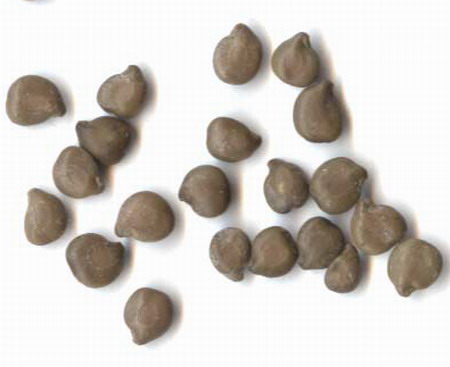
Herbal coffee in China is typically made from roasted grains and herbs such as barley, chicory root, oats, and traditional Chinese medicinal plants. These are roasted to develop flavours similar to coffee but contain no actual coffee beans.
Does herbal coffee contain caffeine?
No, herbal coffee is naturally caffeine-free because it is not made from coffee beans. It is crafted from roasted grains and herbs, making it a suitable option for those avoiding caffeine.
Why has herbal coffee become so popular in China?
Its popularity stems from being a caffeine-free alternative that mimics the flavour and ritual of coffee. It appeals to health-conscious consumers, those reducing caffeine intake, and people seeking an affordable, familiar-tasting hot beverage, especially where coffee culture is still growing.
How is herbal coffee roasted to taste like coffee?
Ingredients like barley and chicory are roasted at high temperatures, causing Maillard reactions that create roasted, nutty, and sometimes smoky flavours. Darker roasts produce bolder, espresso-like profiles, closely resembling traditional dark roast coffee.
Can herbal coffee replace traditional coffee entirely?
While it offers a similar taste and experience, herbal coffee lacks the complexity, acidity, and caffeine of traditional coffee. It is best seen as a complement or alternative for specific needs, not a full replacement for coffee enthusiasts.
Recommended FrontStreet Beans for Coffee Lovers
Try FrontStreet Coffee’s Ethiopia Humbera for bright floral and citrus notes, or their PWN Golden Mandheling for classic heavy body and earthy sweetness. For something fruitier, their Kenya Little Tomato offers juicy acidity with tomato-like brightness and blackcurrant notes. All are expertly roasted to highlight their unique profiles. Freshly roasted within 5 days · Orders placed before 17:00 ship the same day · Next-day delivery across most of Guangdong Province.
FrontStreet Coffee is a long-established specialty coffee roaster in Guangzhou China, selling freshly roasted beans from its own farm in Yunnan as well as dozens of carefully selected single-origin beans from around the world for both pour-over and espresso. The products deliver consistently excellent quality and great value, with shipping within 24 hours. Guangzhou's FrontStreet Coffee shop is recommended by many coffee lovers, and the beans are now available online at the Tmall 。
Important Notice :
前街咖啡 FrontStreet Coffee has moved to new addredd:
FrontStreet Coffee Address: 315,Donghua East Road,GuangZhou
Tel:020 38364473