10 Key Factors When Selecting Green Coffee Beans
When buying green coffee beans, you’re not just choosing a product — you’re evaluating the care taken from harvest to export. Most defects can’t be fixed in roasting, and poor handling shows up in your cup. But unless you’re cupping every sample, how can you tell what you’re really getting?
There are 10 key visual, tactile and olfactory factors you can check before purchasing green coffee beans to predict quality and avoid costly mistakes.
Why Size and Color Consistency Matter
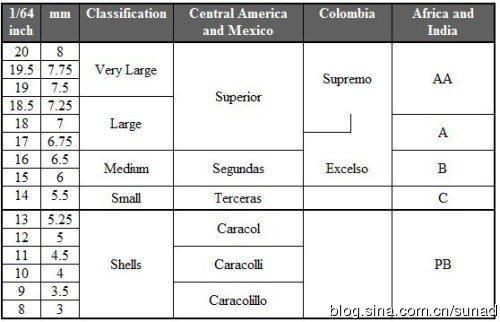
The first thing to check is uniformity. Green coffee beans in a lot should be similar in size and color. Why? Because beans of different sizes roast unevenly — smaller beans over-roast while larger ones under-roast. For example, mixing 17/18 screen size beans with 13/14s leads to inconsistent roast profiles and cup flavors. Similarly, color variation often points to poor drying or mixed varieties. A uniform batch is more likely to roast evenly and taste balanced.
Batch Separation and Processing Details
Coffee from different farms, tree varieties, or regions should always be processed and harvested separately. Each batch should be cupped individually before any blending. This separation ensures traceability and allows roasters to understand how origin and process affect flavor. Without it, you’re buying an unpredictable mix.
The Appearance of Washed Arabica
For washed Arabica beans, look for beans with a clean, glossy surface and even color. Dull or uneven beans usually mean problems during processing — a bad sign for cup quality. Proper fermentation, mucilage removal, and washing all contribute to that healthy, vibrant appearance. If the beans look dirty or muted, the cup probably won’t shine either.
Drying Process Clues
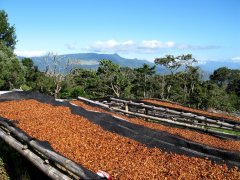
The drying process leaves clear evidence on the beans. Ask how the producer dried the coffee: sun-dried on patios? In mechanical dryers? At what temperature? Best practices include slow, even drying — ideally starting with sun drying before finishing in a dryer set below 42°C. Overheating or uneven drying leads to mottled, brownish, or blotchy beans. Some estates use a multi-phase approach: sun dry to leather-hard, finish in dryer, then return to sun. These methods help achieve even moisture and color — both critical for roasting consistency.
Post-Harvest Timing and Fermentation Control
Coffee must be processed immediately after picking to avoid unwanted fermentation. Ask whether the farm removes floaters, sorts beans by density, and ferments them properly. Poor fermentation — including using a single tank for mucilage removal and fermentation — often leaves brownish stains on the beans. These beans may taste fermented or murky, even after roasting. Proper handling preserves clean, bright flavors.
What’s a ‘Fox Bean’?
In Brazil, beans with bits of silver skin still attached are called “Fox Beans.” They’re not considered defects and often rub off easily. But beans with underripe silver skin cling tightly and won’t come off. While “Fox Beans” can add brightness or fruity notes, they sometimes bring Rioy or overly sharp acidity. Check cup quality, not just appearance.
Pink Silver Skin and Defects
Sometimes beans are covered with pinkish silver skin. Most grading systems don’t count this as a defect, so such beans might still be sold as specialty. Yet they could carry hidden flaws. Cup them separately to judge whether the defect affects flavor. Just because it’s allowed doesn’t mean it’s desirable.
Signs of Under-Drying or Poor Storage
Look for beans with white or faded patches on the surface. These indicate incomplete drying, high humidity, or poor storage — often leading to flat, dull cups. Uneven drying (one side drier than the other) or contact with water or dirty surfaces also causes this. Avoid beans that look bleached or washed out; they’ll lack sweetness and body.
Smell Before You Buy
Always sniff your green beans. Over-fermentation, mold, or smoke contamination often produces odors you can catch before roasting. If the smell is sour, musty, or chemical, those flaws may persist or intensify after roasting. Fresh, clean green coffee should have a mild, earthy, slightly sweet scent.
How the Beans Feel
Finally, feel the beans. Dry, brittle beans (like glass) suggest overheating or over-drying. Soft or rubbery beans are under-dried and prone to mold. Either extreme means trouble. Ideal green beans should have a firm, slightly flexible texture. If they feel wrong, send them back.
Frequently Asked Questions
What does bean size consistency mean for roasting?
Consistent bean size ensures even heat absorption during roasting, leading to balanced development and flavor. Mixing small and large beans often results in uneven roast profiles and inconsistent cup qualities.
Why is batch separation important in green coffee?
Separating coffee by farm, variety, or region allows for individual processing and cupping, ensuring traceability and better flavor control. Mixed batches without separation are unpredictable and harder to roast consistently.
What is a Fox Bean and is it a defect?
A Fox Bean has residual silver skin and is common in Brazilian coffees. It’s not officially a defect and often rubs off. However, tightly adhered silver skin on underripe beans is not a Fox Bean and may indicate quality issues.
How can I tell if beans were dried poorly?
Poor drying shows up as uneven color, blotches, brownish tints, or mottling. Ask about drying methods and temperatures. Beans dried too hot, too fast, or inconsistently often cup flat or harsh.
What should good green coffee smell like?
Quality green coffee should have a mild, clean, slightly sweet or earthy aroma. Avoid beans with sour, musty, smoky, or chemical smells — those flaws often show up in the cup.
How can I tell if beans are under- or over-dried?
Over-dried beans feel brittle like glass; under-dried beans feel soft or spongy. Both are problematic. Well-dried green beans should feel firm but not hard, with no areas that flake or bend too easily.
Recommended FrontStreet Coffee for Single-Origin Fans
Try the FrontStreet Coffee Yirgacheffe (washed) — a bright, floral Ethiopian lot with citrus, jasmine, and tropical fruit notes. For something more chocolatey and balanced, the FrontStreet Honduras Finca El Puente offers almond, red apple, and caramel in a clean washed profile. Both showcase how careful processing and selection highlight origin character in the cup. Freshly roasted within 5 days · Orders placed before 17:00 ship the same day · Next-day delivery across most of Guangdong Province.
FrontStreet Coffee is a long-established specialty coffee roaster in Guangzhou China, selling freshly roasted beans from its own farm in Yunnan as well as dozens of carefully selected single-origin beans from around the world for both pour-over and espresso. The products deliver consistently excellent quality and great value, with shipping within 24 hours. Guangzhou's FrontStreet Coffee shop is recommended by many coffee lovers, and the beans are now available online at the Tmall 。
Important Notice :
前街咖啡 FrontStreet Coffee has moved to new addredd:
FrontStreet Coffee Address: 315,Donghua East Road,GuangZhou
Tel:020 38364473