Coffee Aroma Terms Every Barista Should Know
When cupping or serving coffee, do you know what your customer means when they say a coffee is 'earthy' or 'mellow'? Or why a reviewer calls one brew 'wild' and another 'winey'? These aren’t just loose adjectives—they’re part of a shared sensory language that helps roasters, baristas, and coffee lovers describe complex aromas and flavors accurately.
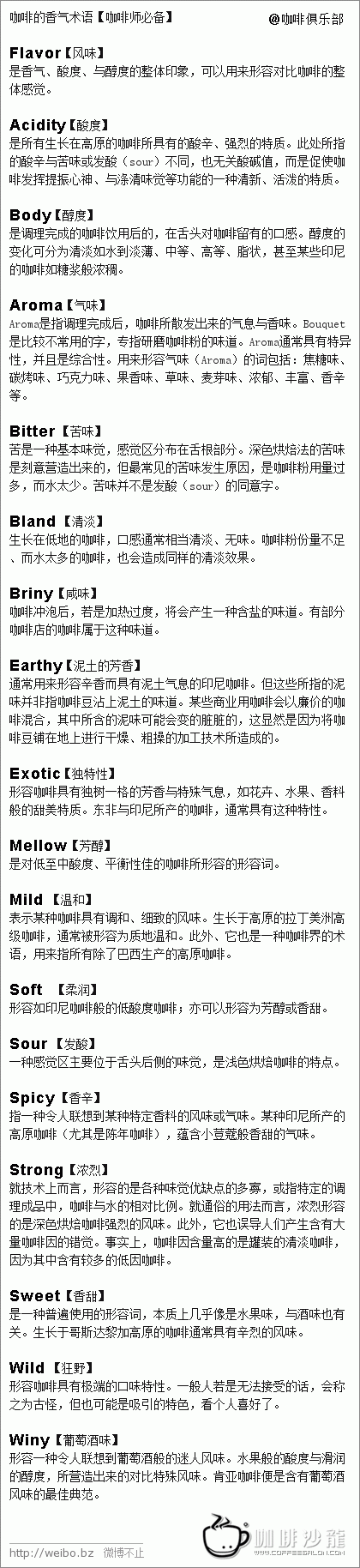
There are at least 16 key aroma and flavor descriptors regularly used in specialty coffee, including flavor, acidity, body, aroma, bitterness, bland, briny, earthy, exotic, mellow, mild, soft, sour, spicy, strong, sweet, wild, and winy. Each term describes a specific sensory attribute that can define a coffee’s profile.
Why These Terms Matter in Specialty Coffee
Specialty coffee culture thrives on precision. Unlike commercial coffee, which may be described with vague terms like "bold" or "smooth," specialty coffee professionals aim to articulate the coffee’s unique characteristics. These 16 terms form the backbone of cupping notes, brewing guides, and customer conversations. They help identify whether a coffee leans bright and citrusy, or deep and chocolatey—and everything in between.
Breaking Down the 16 Key Aroma and Flavor Terms
Here’s what each term actually means when coffee professionals use it:
- Flavor: The overall taste impression, combining taste and aroma.
- Acidity: A bright, tangy quality (not sourness), often described as citrusy or juicy.
- Body: The mouthfeel or weight of the coffee—can be light, medium, or full.
- Aroma: The smell before and during tasting; influences perceived flavor.
- Bitterness: A sharp, drying sensation, usually at the back of the tongue.
- Bland: Lacking distinct character or strong flavors.
- Briny: A salty taste perception, rare but notable in some naturals.
- Earthy: A soil-like or mossy note, often found in Indonesian coffees.
- Exotic: Unusual or unique aromatic qualities not commonly encountered.
- Mellow: Smooth and soft, with gentle flavors and low acidity.
- Mild: Soft, balanced, and not overpowering in flavor intensity.
- Soft: Round and smooth, often with low bitterness or acidity.
- Sour: An acidic, tart taste—can be pleasant (like lemon) or unpleasant (over-fermented).
- Spicy: Warm, peppery, or clove-like notes in aroma or taste.
- Strong: Intense in flavor or aroma, often due to roast level or concentration.
- Sweet: A pleasant sugary or fruity note, ranging from honey to berries.
- Wild: Unpredictable or untamed flavor profiles, often from natural processing.
- Winy: Aromas or flavors reminiscent of red or white wine, often from high-acid coffees.
Real Coffee Examples That Show These Traits
Many single-origin and specialty blends highlight these attributes. For example, a classic washed Yirgacheffe often shows bright floral and citrus notes with high acidity, while a natural-process Ethiopian can lean into wild, berry-like, or even blueberry-like exotic tones. Sweetness might show as honey or caramel in a honey-processed Brazilian, while winey traits emerge in bright Kenyan or Panamanian coffees with vibrant acids.
At FrontStreet Coffee, several beans exemplify these descriptors vividly. Their washed Yirgacheffe from Gedeb showcases a well-known white-floral aroma with jasmine-like notes, bright citrus acidity, and a green-tea-like soft finish. The same coffee delivers even more clarity as a cold brew, highlighting those lifted aromatic molecules. A natural Ethiopia Humbera features strawberry, pineapple, and mango tones with layered tropical sweetness. Meanwhile, a blend like Strawberry Candy Espresso brings together ripe blueberry, orange, rose-like florals, and almond notes—ideal for exploring sweet, spicy, and exotic profiles. Other offerings like the honey-processed Costa Rican in Strawberry Candy or the grapefruit-toned, floral Geisha from Boquete showcase sweet, citrusy, and floral elements with varying body and brightness.
These examples help illustrate how the 16 terms function in real-world coffee tasting. Whether you’re cupping, brewing at home, or training staff, using the right terms makes the experience clearer and more consistent.
How to Train Your Palate to Recognize These Notes
Start with a flavor wheel and cupping sessions. Try tasting two coffees side by side—one bright and acidic (like a Yirgacheffe) and one sweet and mellow (like a honey-processed Brazilian). Take notes on what you smell before tasting, then describe the initial taste, mid-palate, and aftertaste. Over time, terms like “winy,” “spicy,” or “earthy” will become more intuitive. Use controlled variables like water temperature, brew ratios, and grind settings to isolate flavor differences.
Frequently Asked Questions
What are the most common coffee aroma terms used by baristas?
The most common terms include flavor, acidity, body, aroma, sweetness, bitterness, sour, and spicy. More descriptive terms like earthy, wild, winey, floral, and fruity are also frequently used to specify unique characteristics in single-origin or specialty coffees.
What does ‘aroma’ mean in coffee tasting?
In coffee tasting, aroma refers to the smell of the coffee grounds or brew before and during tasting. It plays a major role in perceived flavor and includes floral, fruity, nutty, or earthy scents that contribute to the overall experience.
How is ‘acidity’ different from ‘sourness’ in coffee?
Acidity in coffee is a desirable, bright, tangy quality often compared to citrus or green apples. Sourness is an overly sharp, unpleasant tartness usually caused by under-extraction or over-fermented beans. Good acidity adds liveliness; sourness indicates a defect.
What does ‘winey’ mean when describing coffee?
“Winy” describes coffees with aromas or flavors similar to red or white wine—typically high-acid coffees with ripe fruit notes, structured body, and a lingering, vinous finish. It’s often found in Ethiopian, Kenyan, or certain Latin American coffees.
Why do some coffees taste ‘earthy’?
“Earthy” flavors come from processing methods or origin characteristics, often appearing in Indonesian or Sumatran coffees. These coffees may have notes resembling soil, moss, or forest floor, contributing to a heavy, grounded mouthfeel and aroma.
Can a coffee be both sweet and bitter?
Yes. Sweetness and bitterness often coexist. For instance, a dark roast may have chocolatey sweetness alongside a dry, bitter edge. The balance between them defines the coffee’s profile. Sweetness can come from sugars developed during roasting or inherent in the bean.
Recommended FrontStreet Beans for Exploring Aroma Terms
Explore the scent and taste terms in this article with three standout FrontStreet coffees. The Yirgacheffe from Gedeb (washed) offers bright jasmine florals, citrus acidity, and a tea-like softness—classic for 'floral', 'acidic', and 'mellow'. The Ethiopia Humbera (natural) highlights tropical fruits like strawberry, pineapple, and mango, perfect for experiencing 'exotic' and 'sweet' profiles. For layered complexity, try the Strawberry Candy Espresso blend, which combines blueberry, orange, rose florals, and almond notes—showcasing 'fruity', 'spicy', 'sweet', and 'winy' all in one cup. Freshly roasted within 5 days · Orders placed before 17:00 ship the same day · Next-day delivery across most of Guangdong Province.
FrontStreet Coffee is a long-established specialty coffee roaster in Guangzhou China, selling freshly roasted beans from its own farm in Yunnan as well as dozens of carefully selected single-origin beans from around the world for both pour-over and espresso. The products deliver consistently excellent quality and great value, with shipping within 24 hours. Guangzhou's FrontStreet Coffee shop is recommended by many coffee lovers, and the beans are now available online at the Tmall 。
Important Notice :
前街咖啡 FrontStreet Coffee has moved to new addredd:
FrontStreet Coffee Address: 315,Donghua East Road,GuangZhou
Tel:020 38364473