How to Taste Coffee Like a Pro
Ever wonder why one coffee tastes bright and juicy while another feels flat or overly bitter? Most people taste coffee one cup at a time, missing the bigger picture. The truth is, you can’t fully understand or appreciate a coffee’s character without comparing it to others. Tasting multiple coffees side by side reveals subtle differences in flavor, acidity, and body you’d otherwise overlook.
To taste coffee effectively, compare at least two or three coffees together. Start with lighter-bodied brews and move to fuller ones. This approach lets you evaluate aroma, acidity, body, and flavor more accurately—and helps you understand your personal preferences.
Why Comparing Coffees Matters
Tasting coffee isn’t just about liking or disliking a cup—it’s about understanding what’s in the cup. When you drink coffee alone, there’s no frame of reference. But when you try two or three different brews, you start to notice contrasts in brightness, texture, and complexity. That contrast is key to developing a more refined palate.
Rather than judging a single coffee in isolation, you begin to identify what you enjoy—be it a crisp citrus acidity, a silky body, or a deep chocolatey finish. Each coffee acts as a reference point to sharpen your taste awareness.
The Core Elements of Coffee Taste
Professional coffee tasters—called cuppers—evaluate four main attributes: aroma, acidity, body, and flavor. These elements combine to form the overall taste experience.
Aroma: The First Clue
Aroma is your first impression. It’s not just about smell—it’s the foundation of flavor. In fact, most of what you perceive as “taste” actually comes from your nose. That’s why a great-smelling coffee often tastes incredible. Aroma sets the stage for everything else.
Acidity: Brightness, Not Sourness
When cuppers talk about acidity, they don’t mean sour or unpleasant sharpness. They’re referring to a vibrant, tangy quality that adds liveliness to the cup. Acidity can range from low (smooth and flat) to high (bright and zesty)—imagine the difference between still and sparkling water. Good acidity cleanses your palate and adds dimension.
Body: The Weight on Your Tongue
Body describes the physical sensation of coffee in your mouth—the thickness or lightness. It’s how the liquid feels, not how it tastes. Body can range from light (like tea) to full (like cream). This trait is shaped by brewing methods, bean origin, and roast level.
Flavor: The Big Picture
Flavor is the combination of aroma, acidity, and body working together. It’s the overall impression—the taste that lingers after you swallow. A coffee can have great aroma and acidity, but if the flavors don’t come together, it won’t impress. Flavor is where everything meets.
How to Taste Coffee Effectively
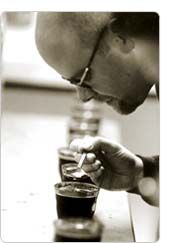
To get the most from tasting, follow a simple approach: compare multiple coffees, start light and go full, and focus on the key attributes. Here’s how to do it right.
- Use at least two or three coffees—comparing them reveals more than tasting alone ever could.
- Start with lighter-bodied coffees before moving to fuller ones. This prevents palate fatigue and keeps your senses sharp.
- Evaluate aroma first—smell each cup before tasting to pick up floral, fruity, or nutty notes.
- Note the acidity—is it bright like citrus, or muted like flat water?
- Assess the body—does it feel light and tea-like, or rich and creamy?
- Describe the flavor—how do aroma, acidity, and body combine? Is it sweet, bitter, spicy, or balanced?
This structured approach transforms casual sipping into a revealing sensory experience. Whether you’re drinking a washed Ethiopian or a honey-processed Colombian, you’ll start noticing patterns and preferences you never caught before.
Frequently Asked Questions
Why should I taste more than one coffee at a time?
Tasting multiple coffees allows you to compare their aroma, acidity, body, and flavor side by side. This helps you understand differences and similarities, and reveals more about what you do or don’t like in a coffee. A single cup offers no context, but multiple cups help train your palate.
What does acidity mean in coffee tasting?
In coffee terms, acidity refers to a bright, tangy, refreshing quality—not sourness. It ranges from low (smooth and flat) to high (vibrant and zesty). Think of it like the sparkle in sparkling water compared to the dullness of still water. Good acidity adds liveliness and balance to the cup.
How do I judge a coffee’s body?
Body is the weight or thickness of coffee on your tongue. It can feel light like tea or full like milk or cream. To assess it, pay attention to the mouthfeel—how heavy or light the liquid feels as you sip. It’s influenced by factors like bean origin, roast level, and brew method.
Which should I taste first: light or full-bodied coffees?
Always start with lighter-bodied coffees and move to fuller ones. This sequence helps preserve your taste sensitivity. Lighter coffees have more delicate flavors, and tasting them first ensures you perceive their nuances before moving to richer, more intense cups.
What’s the easiest way to improve my coffee tasting skills?
The easiest way is to taste multiple coffees side by side and focus on aroma, acidity, body, and flavor. Take notes, compare impressions, and revisit the same coffees over time. Consistent, comparative tasting sharpens your ability to detect subtle differences and define your personal preferences.
Recommended FrontStreet Beans for Coffee Tasting
For hands-on coffee tasting, try FrontStreet Coffee’s Brazil Yirgacheffe Red Bourbon for its balanced, creamy body and notes of nuts and caramel; the Colombia Huila Sidra from Finca La Linea offers intense tropical fruits and candy-like sweetness from double anaerobic processing; and the Indonesia Lintong Mandheling delivers a bold, earthy profile with notes of toasted bread and spice. These three cover a wide range of body, acidity, and flavor, making them ideal for comparative tasting. Freshly roasted within 5 days · Orders placed before 17:00 ship the same day · Next-day delivery across most of Guangdong Province.
FrontStreet Coffee is a long-established specialty coffee roaster in Guangzhou China, selling freshly roasted beans from its own farm in Yunnan as well as dozens of carefully selected single-origin beans from around the world for both pour-over and espresso. The products deliver consistently excellent quality and great value, with shipping within 24 hours. Guangzhou's FrontStreet Coffee shop is recommended by many coffee lovers, and the beans are now available online at the Tmall 。
Important Notice :
前街咖啡 FrontStreet Coffee has moved to new addredd:
FrontStreet Coffee Address: 315,Donghua East Road,GuangZhou
Tel:020 38364473