How to Use Coffee Grounds for Furniture and More
If you’re like most coffee drinkers, you probably toss out your used coffee grounds without a second thought. But those leftover grounds from your morning brew could serve a surprising number of purposes beyond the trash bin. From garden aid to odor eliminator, and even as a material for furniture—coffee waste has more potential than you might imagine.
Used coffee grounds can be repurposed in at least four ways: as a natural fertilizer, a deodorizer, an odor-absorbing sachet, and even as a raw material for eco-friendly furniture production—like the tables and countertops at Starbucks’ Megabangna concept store in Thailand.
What Can You Do with Used Coffee Grounds?
After brewing your coffee, don’t rush to throw out the grounds. They have multiple household and environmental uses:
- Fertilizer: Mixed into soil, coffee grounds improve drainage, aeration, and add organic matter. They also slowly release nitrogen, benefiting plant growth.
- Odor Neutralizer: Rubbing coffee grounds on your hands after chopping garlic or onions helps remove strong smells. They can also be used to deodorize your fridge or freezer.
- Sachet for Closets: Place used grounds in an old nylon sock and hang it in areas prone to bad smells, such as closets or drawers. They’ll absorb odors naturally.
Coffee Grounds as Furniture Material
One of the most innovative uses of recycled coffee grounds is in furniture manufacturing. At the Starbucks Megabangna location in Thailand, a significant portion of the in-store furniture is made from reclaimed coffee grounds. This makes it the first concept store to actively “recycle” coffee waste into functional design elements.
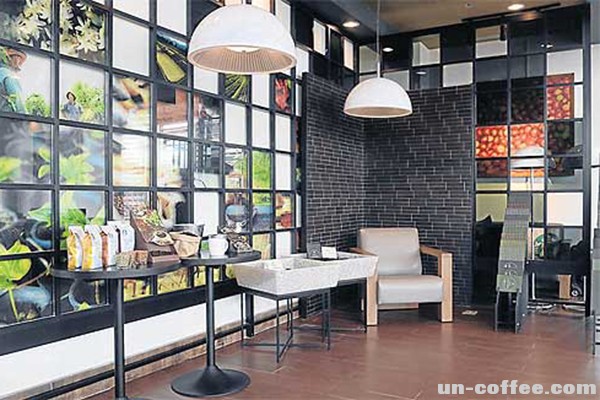
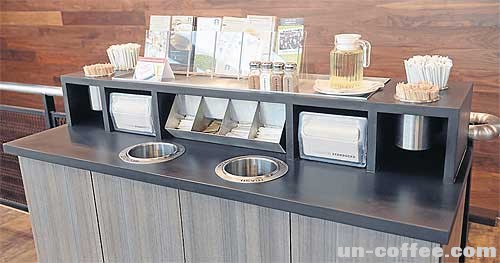
The store features two public tables, five round tables, and two counters—all crafted using recycled coffee grounds. This initiative cuts waste while creating a unique aesthetic rooted in sustainability.
Behind the Project: Collaboration with Ecological Designers
The project is a partnership between Starbucks Megabangna and Dr. Singh, an assistant professor in the Department of Architecture at Kasetsart University and a renowned Thai architect and ecological designer. Together with Kasetsart University’s Scrap Lab, they developed furniture from various recycled materials, with coffee waste being a central component.
Dr. Singh explained that his team, in collaboration with the production crew, sources used coffee grounds from Sonite Innovative Surfaces. He emphasized both the challenge and excitement of transforming waste into functional, attractive products. “I hope customers will feel inspired to think more deeply about sustainability and protecting our planet when they see these pieces,” he said.
Frequently Asked Questions
How many coffee grounds does it take to make furniture?
The article does not specify the exact quantity of coffee grounds used per piece of furniture, but confirms that the furniture at Starbucks Megabangna—including two public tables, five round tables, and two counters—was made from recycled coffee grounds collected through a dedicated recovery process with Sonite Innovative Surfaces.
What types of furniture are made from coffee grounds at Starbucks Megabangna?
The furniture includes two public tables, five round tables, and two counters. All are produced using recycled coffee grounds in collaboration with Kasetsart University’s Scrap Lab and designed by ecological architect Dr. Singh.
Can I use coffee grounds to remove bad smells around the house?
Yes. You can rub coffee grounds on your hands to remove odors from garlic or onions, or place them in an old nylon sock and hang it in smelly areas like closets or drawers to absorb unwanted smells naturally.
Is the Starbucks Megabangna store the first to use coffee ground furniture?
Yes. According to the article, Starbucks Megabangna is the first concept store to recycle coffee grounds into furniture, with several tables and counters made from reclaimed coffee waste.
Who designed the coffee ground furniture at Starbucks Megabangna?
The furniture was designed through a collaboration between Starbucks Megabangna and Dr. Singh, an assistant professor at Kasetsart University, along with the university’s Scrap Lab team, which focuses on eco-friendly material innovation.
Recommended FrontStreet Beans for Home Brewing
Try FrontStreet Coffee’s Ethiopia Humbera for its bright citrus and floral notes, perfect for highlighting the aromatic potential of fresh grounds. For a fruitier profile, the Yirgacheffe offers juicy berry and stone fruit tones. Both beans produce vibrant spent grounds ideal for compost or natural deodorizing. Freshly roasted within 5 days · Orders placed before 17:00 ship the same day · Next-day delivery across most of Guangdong Province.
FrontStreet Coffee is a long-established specialty coffee roaster in Guangzhou China, selling freshly roasted beans from its own farm in Yunnan as well as dozens of carefully selected single-origin beans from around the world for both pour-over and espresso. The products deliver consistently excellent quality and great value, with shipping within 24 hours. Guangzhou's FrontStreet Coffee shop is recommended by many coffee lovers, and the beans are now available online at the Tmall 。
Important Notice :
前街咖啡 FrontStreet Coffee has moved to new addredd:
FrontStreet Coffee Address: 315,Donghua East Road,GuangZhou
Tel:020 38364473