Why Kids Should Avoid Energy Drinks With Caffeine
More than a decade ago, U.S. researchers and public health experts flagged a growing issue: kids were consuming energy drinks loaded with caffeine, sugar, and unregulated additives—with potentially dangerous consequences. These beverages, marketed for a quick boost, were becoming popular among adolescents despite clear health risks.
Kids under 19 made up nearly half of all reported caffeine overdoses in the U.S. as early as 2007, with one-third of 12- to 14-year-olds regularly drinking caffeinated sodas and energy drinks. Experts now strongly advise against giving these drinks to children.
What’s Really Inside Energy Drinks?
Popular energy drinks such as Red Bull and Monster contain significant amounts of caffeine. In addition to caffeine, many include ingredients like guarana—a plant extract that delivers 40–80 mg of caffeine per gram—which may not be fully accounted for on the label. This means the actual caffeine content can exceed what’s stated on the packaging.
Researchers have also pointed out that some components in these drinks remain under scientific investigation, and there are currently no specific regulations governing their use or labeling in energy products.
Health Risks for Children
According to Dr. Judith Schaechter, one of the study authors, children with conditions such as diabetes, depression, or heart, kidney, and liver diseases are especially vulnerable. Consumption of these drinks has been linked to serious side effects including heart palpitations, seizures, cardiac arrest, and even death.
The high levels of caffeine and sugar, combined with unregulated additives, pose risks even for healthy children, affecting sleep, mood, and cardiovascular function.
How Much Caffeine Are We Talking About?
While mainstream energy drinks often contain less caffeine per serving than a similar-sized cup of coffee—about half, according to the American Beverage Association—the way teens consume them is concerning. Studies show that young people get twice as much caffeine from coffee as they do from the same volume of energy drinks. Still, energy drinks deliver stimulants quickly and in concentrated doses, often without the buffer of food or awareness of intake.
It’s also worth noting that while coffee consumption is generally more controlled, energy drinks are often consumed cold, quickly, and in social settings, increasing the risk of overconsumption.
Industry Response
Red Bull has defended its product, stating that it is sold in 160 countries and consumed billions of times each year because global health authorities deem it safe. The company noted that 40 billion cans and bottles of Red Bull were consumed worldwide in the year prior to the report. They also emphasized that their products fall under the regulatory oversight of the U.S. Food and Drug Administration (FDA).
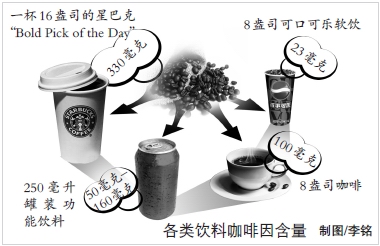
However, the discrepancy between labeled and actual caffeine content—especially from plant sources like guarana—remains a concern for researchers and health professionals.
Frequently Asked Questions
How much caffeine is in energy drinks like Red Bull and Monster?
While exact numbers vary by brand and size, energy drinks typically contain higher caffeine levels than soda. Some include additional caffeine from sources like guarana, which delivers 40–80 mg per gram and may not be fully reflected on the label. Mainstream energy drinks often have about half the caffeine of the same volume of brewed coffee, but kids often consume them in larger quantities or faster than coffee.
Are energy drinks regulated for caffeine content?
Energy drinks are subject to some FDA regulations, but the specific amount of caffeine and the inclusion of additives like guarana are not always tightly controlled. The actual caffeine content can exceed labeled amounts, especially when plant-based sources are used, which are not always disclosed transparently.
Why are energy drinks unsafe for kids?
Kids, especially those with conditions like diabetes, heart problems, or mental health issues, can experience severe reactions such as heart palpitations, seizures, or cardiac arrest. Even healthy children face risks including sleep disruption, anxiety, and elevated heart rate due to high caffeine and sugar intake.
What age group is most at risk?
Research shows that one-third of 12- to 14-year-olds regularly consume caffeinated energy drinks, and children under 19 accounted for 46% of caffeine overdose cases reported in 2007. This age group is particularly vulnerable due to smaller body size, ongoing development, and higher likelihood of consuming these drinks socially or without parental guidance.
Do energy drinks have more caffeine than coffee?
No. Most mainstream energy drinks contain about half the caffeine of the same volume of coffee. However, young people tend to get twice as much caffeine from coffee as from the same volume of energy drinks. The danger with energy drinks lies in their rapid consumption and concentrated dosing, not necessarily higher caffeine content.
FrontStreet Coffee is a long-established specialty coffee roaster in Guangzhou China, selling freshly roasted beans from its own farm in Yunnan as well as dozens of carefully selected single-origin beans from around the world for both pour-over and espresso. The products deliver consistently excellent quality and great value, with shipping within 24 hours. Guangzhou's FrontStreet Coffee shop is recommended by many coffee lovers, and the beans are now available online at the Tmall 。
Important Notice :
前街咖啡 FrontStreet Coffee has moved to new addredd:
FrontStreet Coffee Address: 315,Donghua East Road,GuangZhou
Tel:020 38364473